
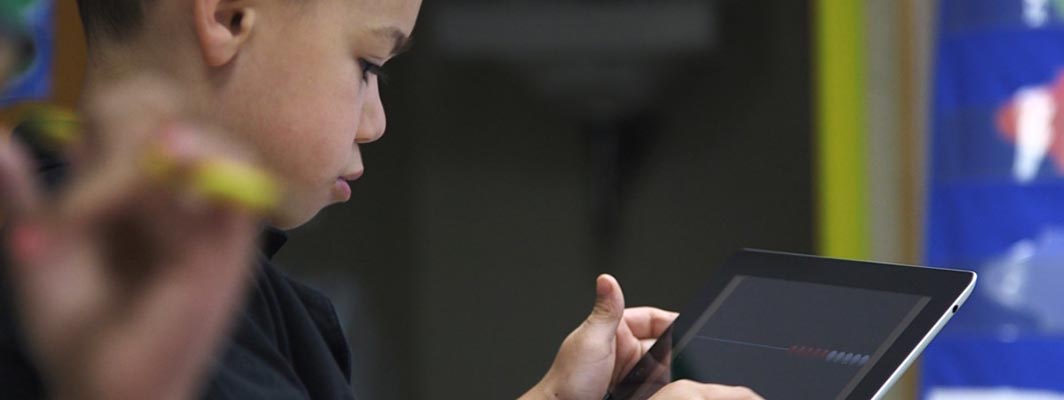
Powerful Learning is a set of principles to guide educators designing learning experiences that engage the hearts and minds of learners, and incorporate technology in ways that contribute to closing the Digital Learning Gap.
Powerful learning must be personal and accessible because every learner is different, and the ways in which we learn are complex and variable. Learners must have agency to chart their own course, take ownership of their learning, and feel safe and supported in doing so. Educators need to support learners in this journey through their pedagogy, use of tools and technology, and design of the learning environment.
Every student has a unique and “jagged” learning profile1 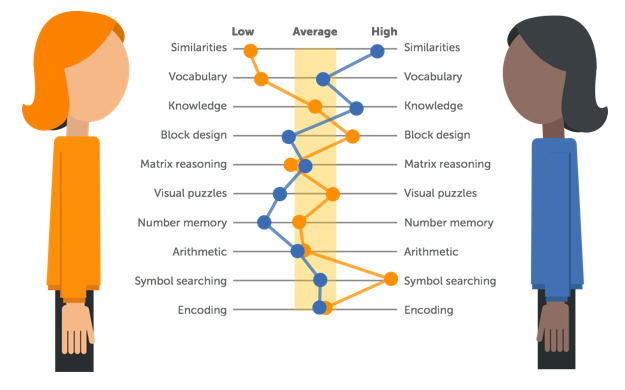
Powerful learning practices are attuned to learner variability and ensure that learning is accessible to all. Today’s schools include a diverse student population who bring varied experiences, different cultures, and unique abilities to the classroom. Learning sciences research shows that these differences matter for learning. Educators can ensure that learning experiences are accessible by providing supports and structures that are tailored to students’ individual needs and abilities. Educators designing learning experiences for their students can use tools and techniques that connect research on learner variability into practice like those developed to support Universal Design for Learning.
Students cannot learn if they do not feel physically and emotionally safe2
Students’ physical well-being, including nutrition, sleep, and exercise, can impact their ability to learn, and these needs must be met both at home and at school. Additionally, research shows that people learn best when they feel safe and connected. When students feel like they are part of a positive, supportive learning community, this experience of belonging can reduce anxiety allowing them to focus on learning. This fact is especially important for black and brown students who educators punish at disproportionately higher rates than their white peers, and are perceived by white educators as threats as early as preschool. Educators must ensure they create a safe environment for all their students to be able to learn.
Educators should account for many factors in creating safe learning spaces, such as combating stereotype threat, reducing anxiety, building a culture of trust, and others. Educators need to take care of their own physical and emotional well-being, too, or their ability to best serve their students will suffer.
See and experience a first-person perspective of the difference between a learning environment that cultivates emotional safety and one that doesn’t in “Failure to Communicate,” a 360° video experience.
Agency and autonomy are key motivational factors in learning and in life3
When students have a sense of control over their own learning, research shows that they may feel more connected to the material or project at hand, and are more likely to persist longer at academic tasks and to process information more deeply. Empowered learners can leverage the techniques that help them learn best and the skills and content they are most comfortable with to persist in learning. Educators can design learning experiences that emphasize student voice and choice to amplify intrinsic motivation through autonomy, relatedness, and competence. Engaging student creativity is another practice that builds student agency and ownership of learning, as these students from Utica, Michigan, told us in their 360° video “The Tour.”
What you can do to make learning personal and accessible in the classroom
There are many ways to make learning more personal and accessible, and every educator will have places for growth and improvement in this area. If this all seems a little overwhelming, there is a simple and effective way to get started: practice saying yes to your students. This is especially important for students of color; When we make “Yes” the default answer, we teach our students that their voice matters, their needs matter, and their ideas matter. As retired superintendent Dr. Pam Moran describes in her TEDx Talk, by “getting to yes” with students, they know that when they want to tackle a project and learn something new, they are empowered to “just get to it and see what happens.”
Ready for more? Use these resources to support your design of personal and accessible learning experiences:
- Use the Digital Promise Learner Variability Navigator to identify factors contributing to learner variability and research-based strategies that support them.
- Use the Personal and Accessible design guide in the Powerful Learning toolkit to support your planning, observation, and reflection.
- Explore edtech products that have earned the Digital Promise product certification for learner variability.
Receive recognition for your efforts
If you are an educator creating powerful learning experiences for your students that are personal and accessible, consider earning some of these educator micro-credentials to be recognized for and share your accomplishments:
- Make learning accessible to all students with the Learner Variability stack of 15 micro-credentials from the Friday Institute and support student growth as independent learners by helping them in Choosing Learning Strategies.
- Practice Creating Flexible Learning Environments that serve differentiated activities for unique learners.
- Help your students stay physically and mentally healthy with Seeking Well-Being
- Build Self-reliance and Autonomy to help your students make decisions independently and guide their own learning. Encourage Student Voice and Choice and practice Seeking Student Input.
- Enable Creativity to Support Student Learning in a Digital Environment (issued by the Friday Institute) and encourage experimentation and tinkering in learning by Creating Learner Driven Curriculum (issued by Maker Ed). Create a safe environment for feedback with Kind Critiquing.
Citations
-
- Rose, T. Rouhani, P., & Fischer, K. (2013) The Science of the Individual. Mind, Brain and Education, 7(3), 152-158
- Walton, G. M., & Cohen, G. L. (2011). A brief social-belonging intervention improves academic and health outcomes among minority students. Science, 331, 1447–1451. doi:10.1126/science.1198364
- Vansteenkiste, M., Simons, J., Lens, W., Sheldon, K. M., & Deci, E. L. (2004). Motivating learning, performance, and persistence: The synergistic effects of intrinsic goal contents and autonomy-supportive contexts. Journal of Personality and Social Psychology, 87, 246–260.
Blog last updated in September 2020.
- Topics: Core Content , Evidence-Based EdTech , Pathways and Economic Mobility , Systems and Leadership , The Whole Learner
- Learning Environments: Adult and Workforce Learning , K-12
- Audiences: Educators , Learners , Researchers
- Offerings: Credentialing , Practice and Professional Learning , Research and Development
- Programs: Adult Learning , Learner Variability Project , Micro-credentials , Powerful Learning , Reinvent the Classroom