
Playbook
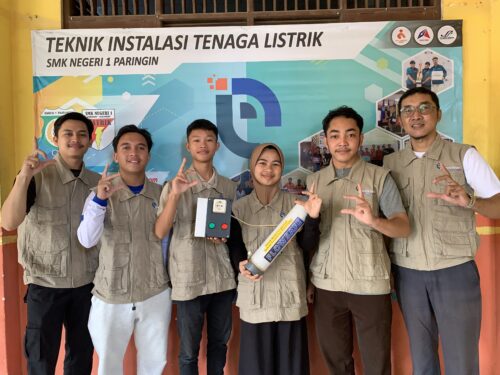
Key Ideas
- Peer teaching, cascaded learning, and community partnerships empower students to become confident problem solvers while developing both technical and digital competencies.
- The greatest outcome of authentic learning is not the technology students create, but the transformation of students into socially responsible innovators who can create meaningful community impact.
- The Ciena Solutions Challenge is a global design challenge for middle and high school students to design solutions addressing the Sustainable Development Goals. Through March 8, 2027, educators can submit student projects and apply for $3,000 to sustain and scale student work.
Saturday mornings are usually a time for students to rest. At SMKN 1 Paringin School in South Kalimantan, Indonesia, however, Saturday mornings often mean another day of coding, testing sensors, and troubleshooting prototypes.
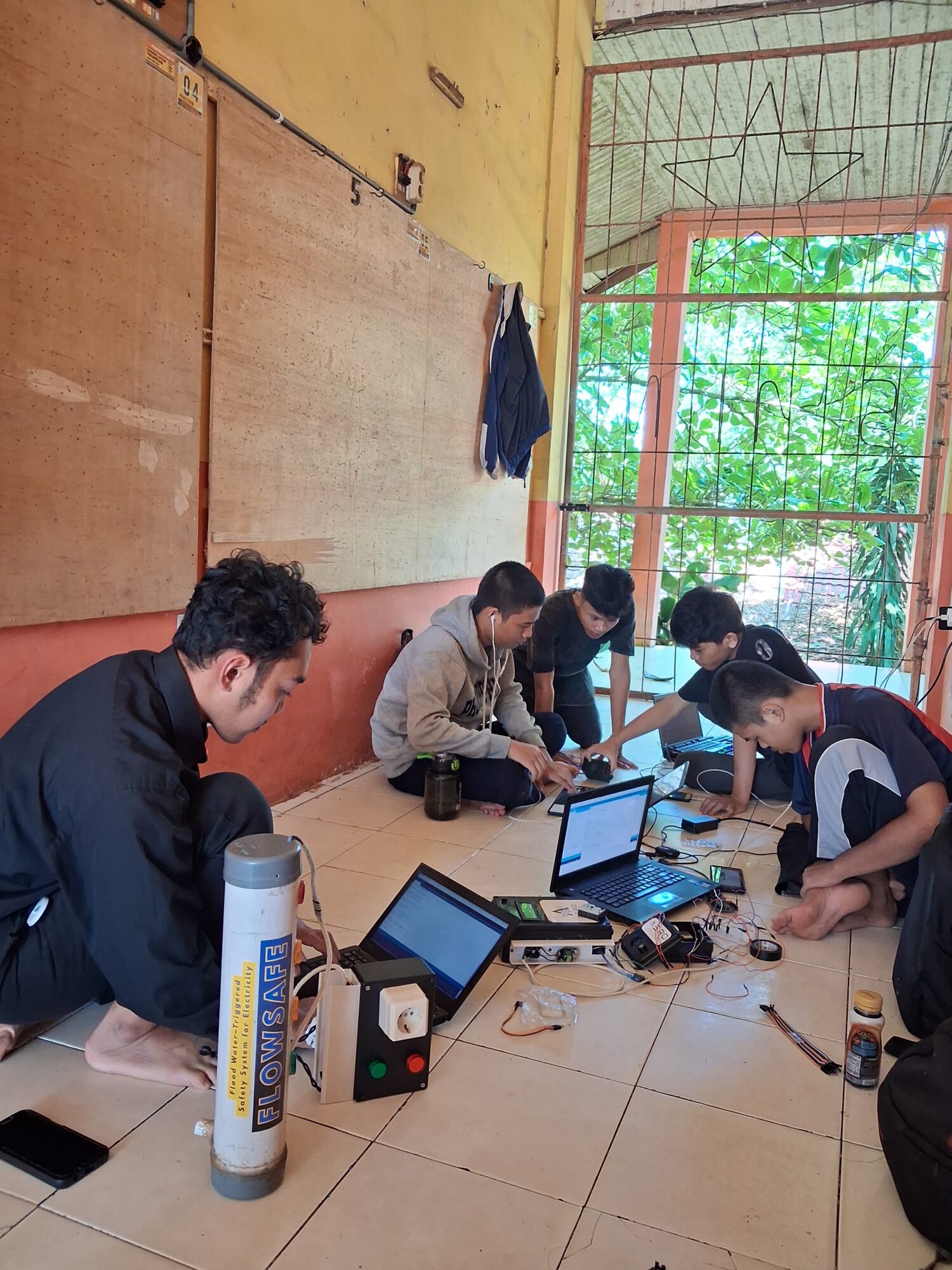
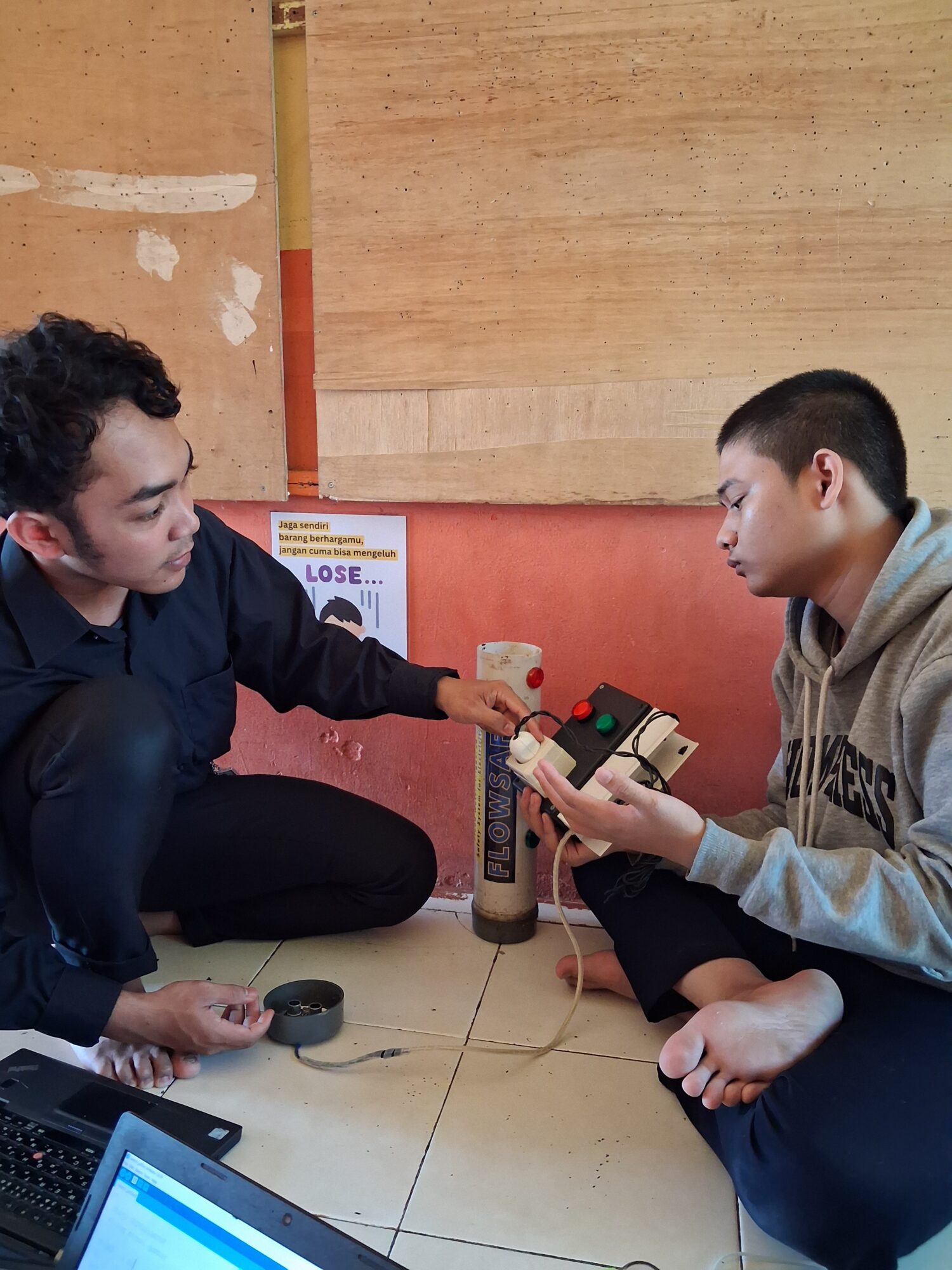
For the FLOWSAFE team (Flood Water-Triggered Safety System for Electricity), Saturday mornings are an opportunity to return to the workshop to solve problems left unresolved the night before. Water-level sensors produce inconsistent readings, relays sometimes fail to disconnect electricity quickly enough, and damaged components require repeated redesigns. Rather than giving up, the students refine their ideas, test them again, and treat every failure as an opportunity to learn.
Their journey began long before FLOWSAFE. Since 2020, through the MOVE (Community Services-Based Education) program, our students have repaired electrical installations in local homes, where they witnessed firsthand how unsafe wiring became even more dangerous during floods. The experience continued through the AKURAT (Advanced Kit for Unified pH and Acidity Testing) project in 2025, which focused on water monitoring. Together, these community-based activities transformed service into authentic learning.
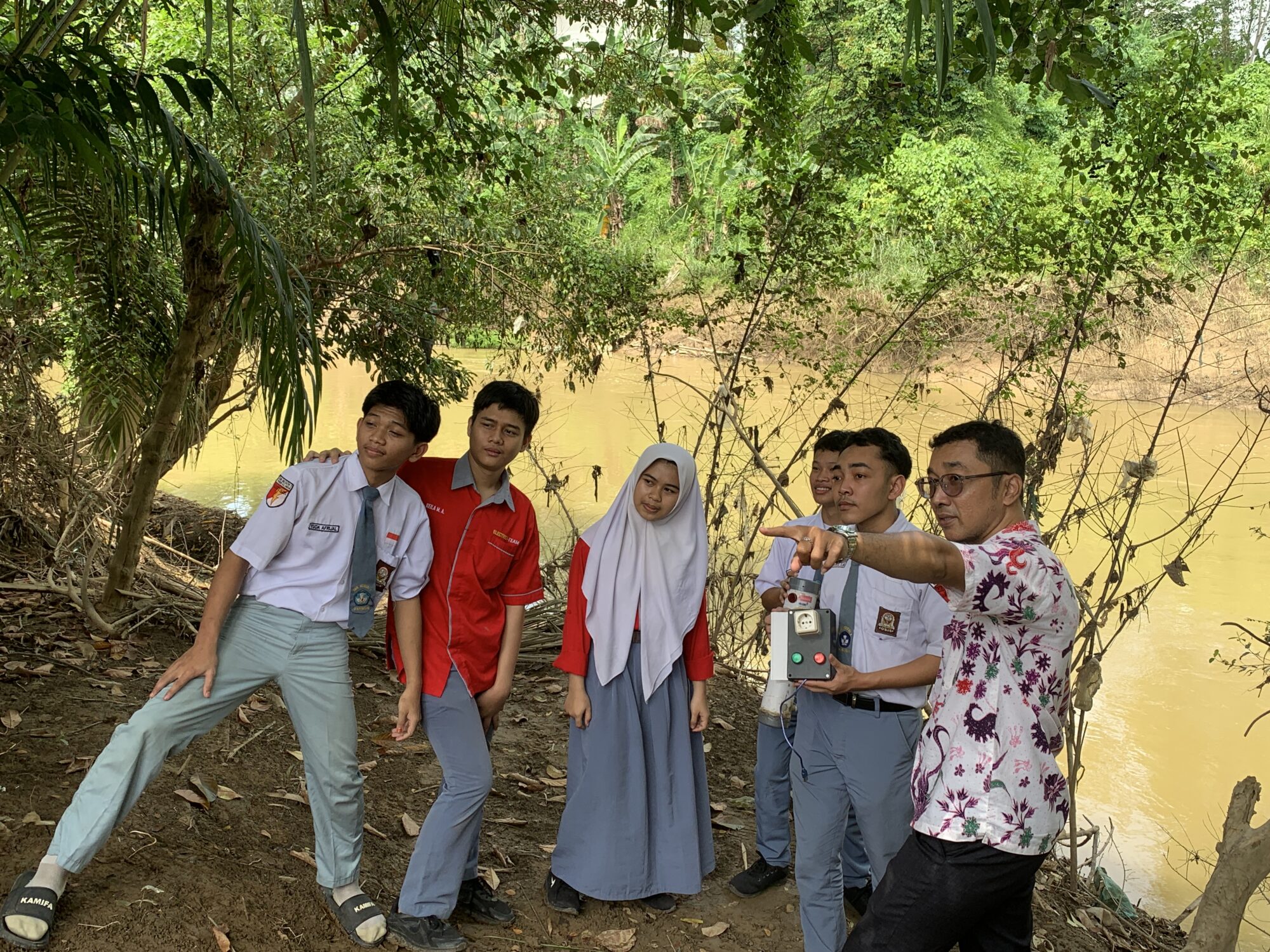
Flooding is the most frequent natural disaster in Indonesia, with more than 750 flood events recorded in 2024. South Kalimantan experienced one of its worst floods in 2021, affecting more than 112,000 people, while Balangan Regency, where our school is located, continues to experience recurring floods. Beyond damaging homes and infrastructure, flooding significantly increases the risk of electrical short circuits and electrocution. These realities inspired a simple but powerful question: What if students could do more than study electricity? What if they could create solutions that help protect their own community?
From Community Need to Student-Designed Solution
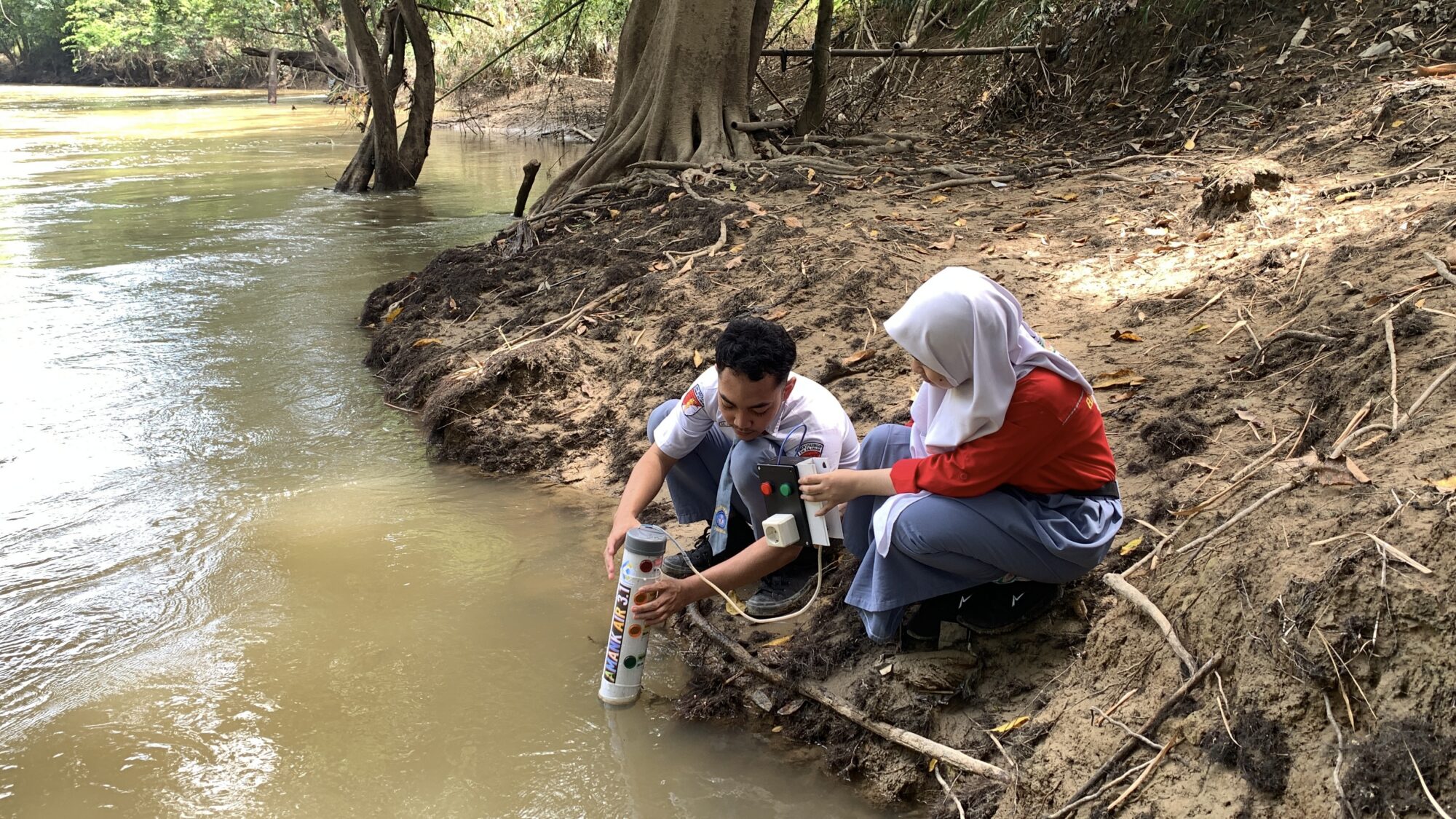
That question transformed our approach to vocational education. Instead of assigning predetermined classroom projects, we challenged students to investigate real community needs. Guided by Challenge Based Learning and authentic learning, they conducted field observations, interviewed residents, analyzed root causes, reviewed scientific literature, and designed solutions based on users’ experiences. Teachers became facilitators rather than lecturers, while community members became partners in the learning process.
The outcome was FLOWSAFE, a microcontroller-based electrical safety system designed to reduce flood-related electrical accidents. Using multi-level water sensors, the system continuously monitors rising water. When water reaches a dangerous level, FLOWSAFE activates an alarm, sends notifications through WhatsApp and Blynk, and automatically disconnects electricity to prevent electrocution and short circuits. Once conditions return to normal, power is restored automatically, while flood information can also be shared with the local electricity utility and disaster management agency to support faster emergency response.
Innovation Built Through Persistence
Building the system was far from straightforward. Our school is located far from major electronics suppliers, so replacing a single damaged component could delay testing for days. Students faced coding failures, calibration errors, hardware malfunctions, limited budgets, unpredictable weather, and repeated field recalibrations. Every setback strengthened their resilience, engineering skills, and ability to work as a team.
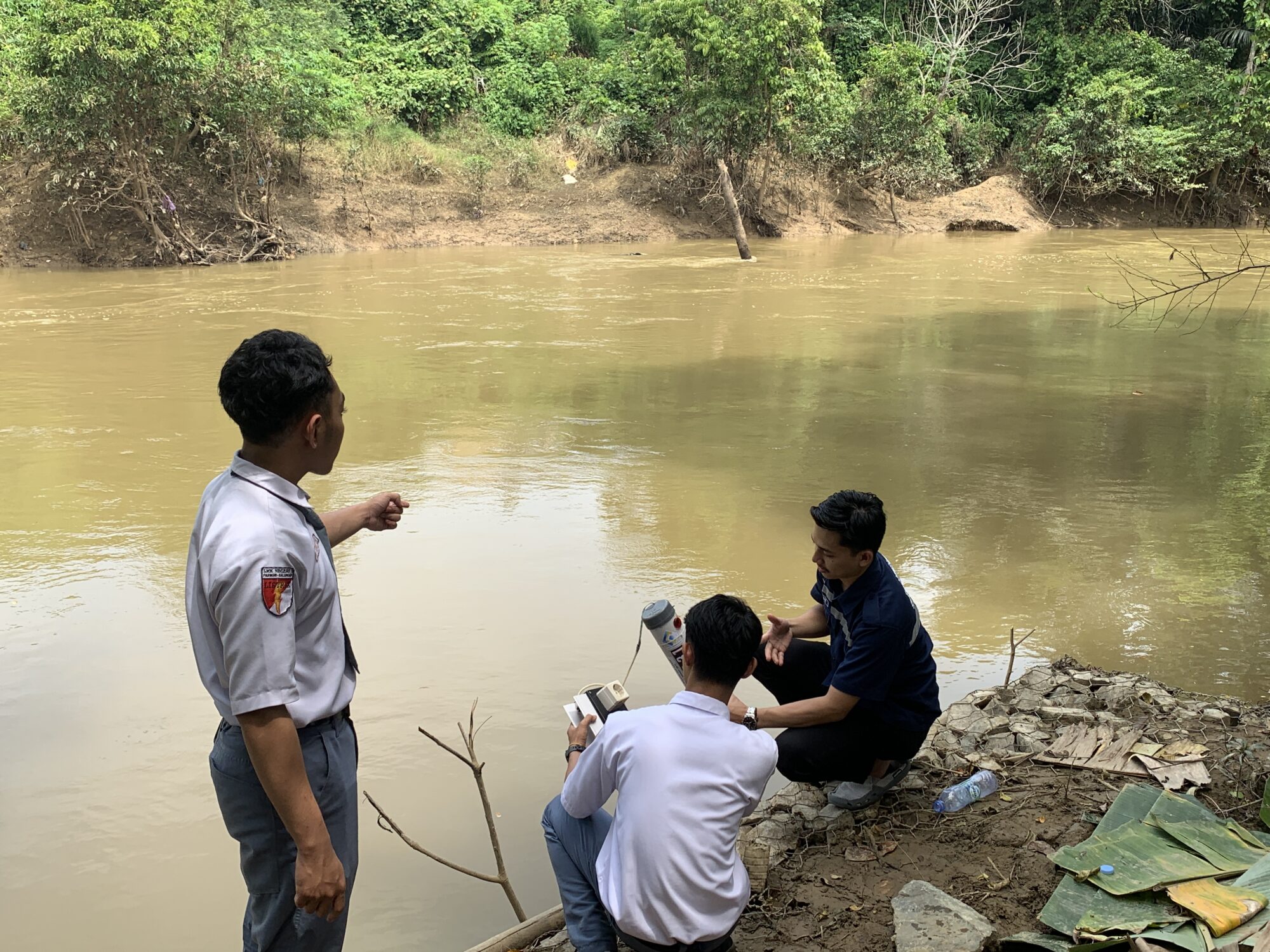
Another challenge was earning the community’s trust (🔊Click to hear more). Students had to explain why electrical systems that appeared safe under normal conditions could become life-threatening during floods. They also collaborated with the local electricity utility and disaster management agency to ensure the solution addressed real operational needs. Through these interactions, they discovered that successful innovation depends as much on communication, empathy, and collaboration as on technical expertise.
Building a Culture of Shared Learning
To ensure every student participated meaningfully, we implemented peer teaching and cascaded learning. Students with field experience mentored their classmates in programming, testing, and system improvement, while teachers focused on coaching and reflection. This created a collaborative culture in which knowledge spread naturally from student to student and learning became a shared responsibility.
Throughout the project, students developed digital competencies by programming microcontrollers, integrating sensors and automation systems, using scientific literature to guide design decisions, documenting progress through videos, and managing the student-led Light Community21 website. More importantly, they learned that technology has value only when it responds to genuine community needs. (🔊 Click to hear one particularly memorable moment.)
Growing More Than Technical Skills
The greatest achievement was not the technology itself but the transformation of our students. They became more critical thinkers, creative innovators, confident communicators, and collaborative leaders. Many voluntarily spent school holidays improving the system because they understood that every refinement could help protect lives. Along the way, they embraced the Light Community21 values of dedication, loyalty, and integrity (DELTA) while developing a lasting commitment to community service and lifelong learning.
Today, FLOWSAFE continues to evolve toward wider implementation in flood-prone communities. Yet its most meaningful impact lies in demonstrating how authentic learning can transform vocational education. When students begin with real community challenges, collaborate with local stakeholders, and are trusted to lead the learning process, they become more than learners—they become problem solvers capable of creating lasting social impact.
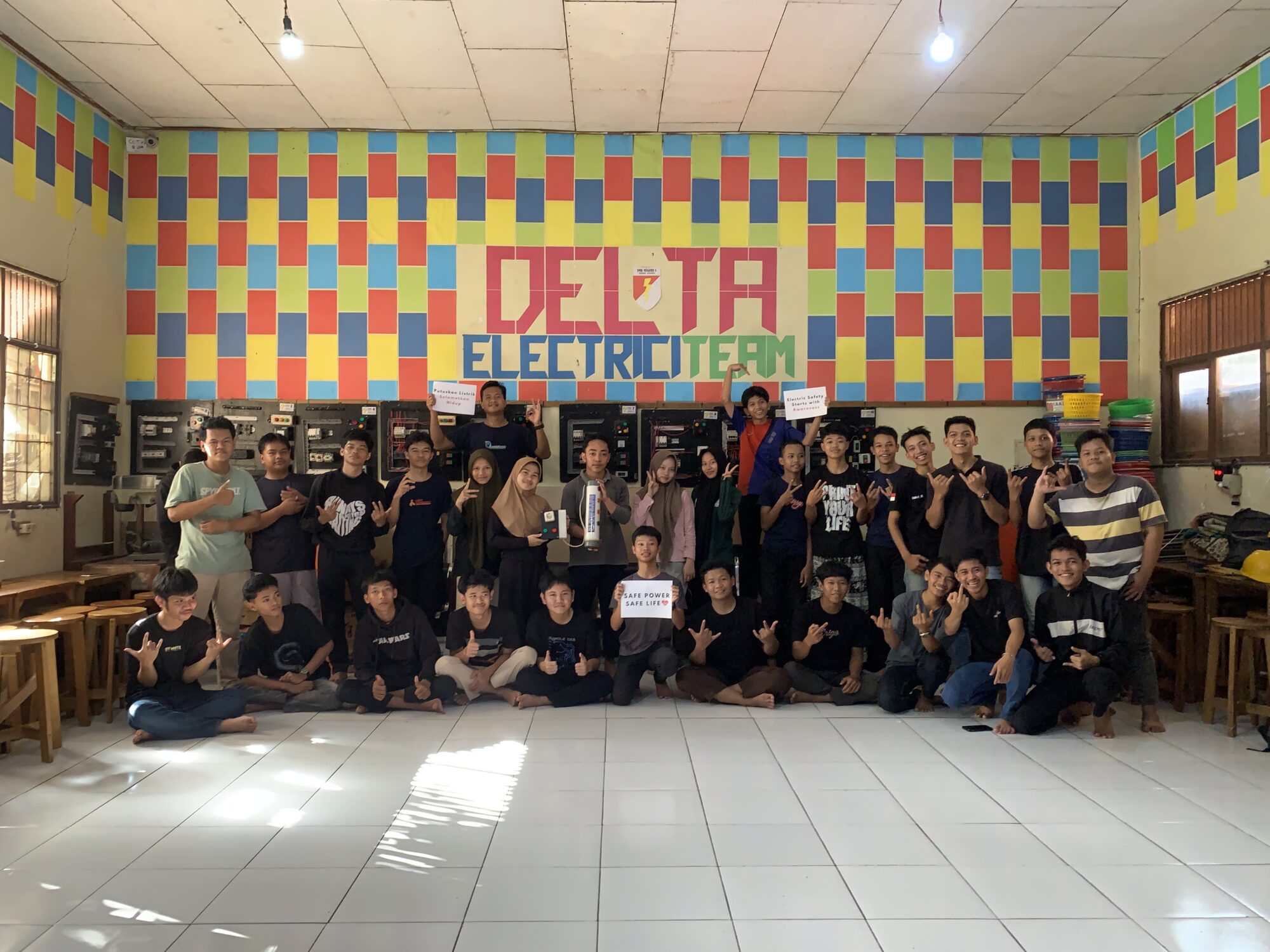
We hope this experience encourages other educators to transform community challenges into learning opportunities, empower students as innovators, and build partnerships that connect schools with society. After all, what if every learning experience began not with content to be taught, but with a real problem waiting to be solved?
Join the Ciena Solutions Challenge
- Register for the Ciena Solutions Challenge: Educators can register now for the Ciena Solutions Challenge. Through March 8, 2027, educators can submit student projects and apply for a $3,000 Sustainability Award.
- Explore the Ciena Solutions Challenge Project Gallery and learn about previous awardees for inspiration.
- Have questions? Email us at cienachallenge@digitalpromise.org.
- Topics: Classroom Practice
- Learning Environments: 9-12 , Global Education
- Audiences: Educators , Learners
- Offerings: Global Networks and Convenings
- Programs: Ciena Solutions Challenge