
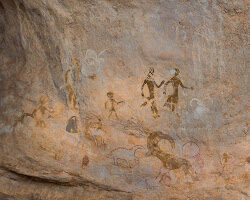
Weighing the Impact of Agriculture on Human Society
The shift from foraging to farming had an immense impact on the human species. But was it a positive shift?
Curriculum
Part of Deeper Discussions in World History
Deeper Discussions in World History, Learning Sciences Research
The Deeper Discussions in World History curriculum helps educators facilitate historical inquiry through meaningful, student-to-student discussion.
At the core of each lesson is a central historical question that students discuss using evidence from a curated set of historical documents. The sources are designed to set up a tension about how we understand the past that invites multiple interpretations and perspectives. Before jumping into the sourcing activity, each Deeper Discussions lesson begins with an on-ramp discussion that explores relatable themes found in both the sources and students’ own lives. Each lesson concludes with an off-ramp discussion that helps students reflect on their new historical understanding and see history as a way to understand the world they live in.
Embedded within each lesson are features meant to support teachers in facilitating these discussions, from tips for creating discussion norms, to strategies for asking probing questions if a discussion stalls, to ways to have students reflect on their performance and what they learned from the experience. Learn more about how to use Deeper Discussions lessons with the accompanying professional development toolkit.
All the lessons are hosted within the OER Project curriculum and designed to be used either as stand-alone lessons or in conjunction with other OER Project course materials. The Mapping Guide showcases how our lessons map onto the OER Project Courses.
The shift from foraging to farming had an immense impact on the human species. But was it a positive shift?
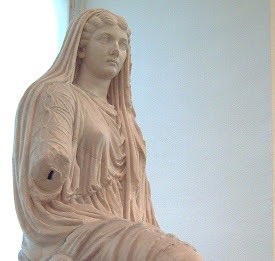
How much power did women in the ancient world have? Explore the lives of women in Han China and Imperial Rome to understand how women took action to shape their own lives.
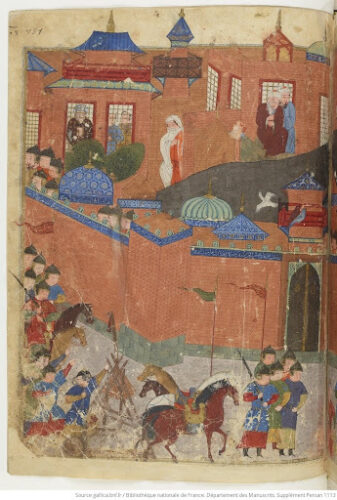
Not all sources tell the same story, particularly when it comes to the Mongols. What were the Mongols really like as rulers?
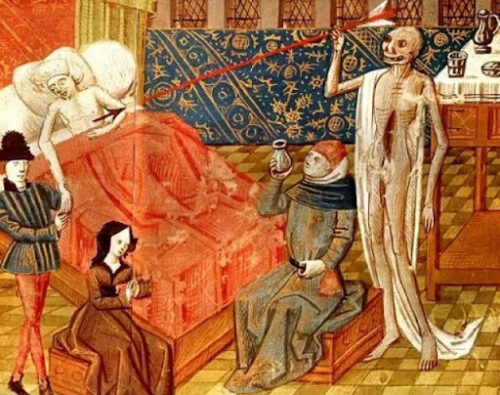
How did people treat each other during the Black Death? This pandemic exposed many unknowns, which led to some surprising human reactions.
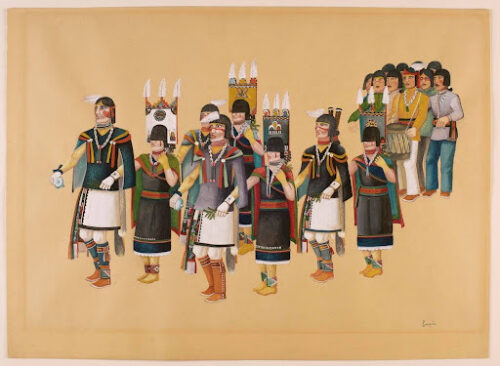
Resistance is a choice—and not always an easy one. Why did many Pueblo people unite against their colonizers, yet some chose not to?

Preventing a global conflict is a complex task—and the right path isn’t always clear. Weighing the facts available in 1938, did Britain make the right choice with the policy of appeasement?

What is needed to resist an oppressive situation like the Holocaust? And what factors prevent resistance? Explore the complex reality of human agency under extreme oppression.
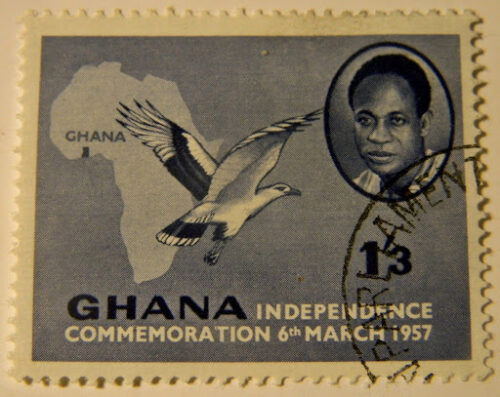
Many inspiring people were involved in the Ghanaian independence movement. Why are some remembered more than others?
Use this step-by-step template to design a Deeper Discussions style lesson using the structured arc of on-ramp, CHQ, and off-ramp questions.