Skip to navigation Skip to content Skip to footer

Digital Promise

Menu

Programs

Deeper Discussions in World History

Part of Learning Sciences Research

Deeper Discussions in World History is a suite of open-access, discussion-based lessons and self-paced professional development modules built to help teachers facilitate rich historical inquiry through meaningful dialogue.

Overview

Research and practice alike recognize the power of student-to-student discussion in a history classroom. When guided by a skilled teacher, discussions help learners think critically about history, grapple with different perspectives, and grow into active and engaged citizens. But finding time for meaningful dialogue—especially while racing through a packed world history curriculum that covers global content from the Stone Age to the 21st century—is a whole different story.

To address this, Digital Promise, the University of Pennsylvania Graduate School of Education, and OER Project partnered with a dozen world history educators working in racially, linguistically, and economically diverse Title I high schools across eight states. Together, we co-designed Deeper Discussions in World History: a suite of open-access, discussion-based lessons and self-paced professional development modules built to help teachers facilitate rich historical inquiry through meaningful dialogue.

These materials are embedded in World History Project, a free, standards-aligned high school curriculum published by OER Project—a platform used by more than 100,000 educators nationwide.

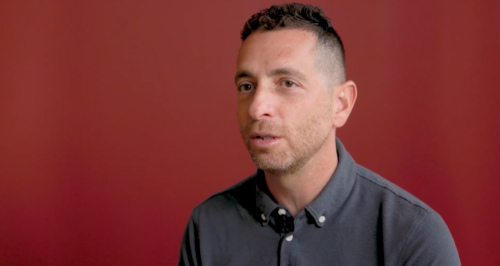
Co-design teacher Adam Esrig weighs in on the importance of deeper student discussions.

What Sets Our Lessons Apart

Central Historical Questions (CHQs)

Every lesson is built around an open-ended CHQ that encourages genuine historical inquiry. These questions explore specific historical problem spaces and are open to multiple interpretations, serving as a primary driver for discussion after students have analyzed sources.

Intentional On-Ramps and Off-Ramps

Every lesson is designed with a thoughtful arc of inquiry. Lessons begin with an on-ramp discussion that grounds abstract concepts in students’ personal lives, establishing immediate relevance and providing a meaningful lens for analyzing the historical material. Lessons conclude with an off-ramp reflection, which guides students in connecting their new historical insights back to their own perspectives and the broader world.

Carefully Curated, Accessible Sources

The lessons prioritize the use of sources that are both compelling and comprehensible. Extensive effort was put into finding authentic accounts—often beyond typical resources—and tailoring them for high school reading levels through careful selection, cutting, and scaffolding, ensuring students have what they need to engage in meaningful dialogue.

Comprehensive Facilitation Supports

To ensure high-quality discussion, the lessons include a robust array of embedded teacher supports. These tools guide educators through common challenges, including clear pacing guides, discussion norms, facilitation probes to keep dialogue on track, student goal-setting prompts, and reflection strategies to consolidate learning.

Upcoming Event

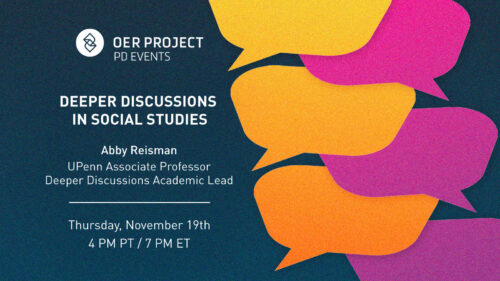
Deeper Discussions in Social Studies

Led by Professor Abby Reisman (UPenn) and Maya Jonsson, who teaches in Philadelphia, Pennsylvania, this workshop focuses on how to make meaningful discussions happen. You’ll look at discussion moves, structures, and strategies that help students listen closely, respond thoughtfully, and build ideas together.

Online
7:00 PM – 8:00 PM EST

Deeper Discussions in World History Lessons

The Deeper Discussions in World History curriculum helps educators facilitate historical inquiry through meaningful, student-to-student discussion.

At the core of each lesson is a central historical question that students discuss using evidence from a curated set of historical documents. The sources are designed to set up a tension about how we understand the past that invites multiple interpretations and perspectives. Before jumping into the sourcing activity, each Deeper Discussions lesson begins with an on-ramp discussion that explores relatable themes found in both the sources and students’ own lives. Each lesson concludes with an off-ramp discussion that helps students reflect on their new historical understanding and see history as a way to understand the world they live in.

Embedded within each lesson are features meant to support teachers in facilitating these discussions, from tips for creating discussion norms, to strategies for asking probing questions if a discussion stalls, to having students reflect on their own performance and what they learned from the experience. Learn more about how to use Deeper Discussions lessons with the accompanying professional development toolkit.

All the lessons are hosted within the OER Project curriculum and designed to be used either as stand-alone lessons or in conjunction with other OER Project course materials. The Mapping Guide showcases how our lessons map onto the OER Project Courses.

Deeper Discussion in World History Lessons

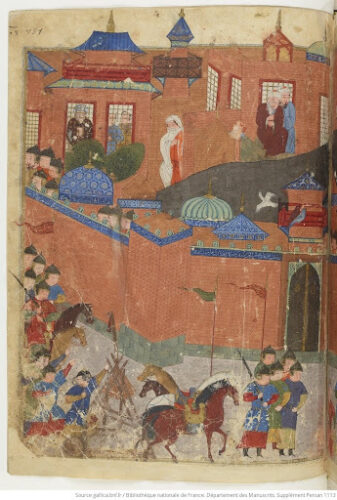
Perspectives on the Mongols

Not all sources tell the same story, particularly when it comes to the Mongols. What were the Mongols really like as rulers?

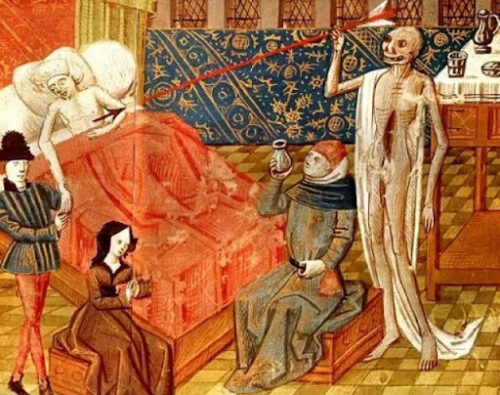
Responses to the Black Death

How did people treat each other during the Black Death? This pandemic exposed many unknowns, which led to some surprising human reactions.

Understanding Appeasement and the Road to WWII

Preventing a global conflict is a complex task—and the right path isn’t always clear. Weighing the facts available in 1938, did Britain make the right choice with the policy of appeasement?

Resistance to the Holocaust

What is needed to resist an oppressive situation like the Holocaust? And what factors prevent resistance? Explore the complex reality of human agency under extreme oppression.

Design Your Own Deeper Discussions Lesson

Use this step-by-step template to design a Deeper Discussions style lesson using the structured arc of on-ramp, CHQ, and off-ramp questions.

Download the Template

Professional Development Toolkit

The Deeper Discussions Professional Development toolkit provides resources to guide educators through common challenges.

Professional Development Video Modules

Narrated by Dr. Abby Reisman, a leading expert on discussion in history education, the Deeper Discussions Teacher Professional Development (PD) video modules combine research-informed insights with real-world advice from teachers working in Title I public high schools across the country. You can watch the modules in order or jump in and out to view the ones that fit your current needs.

  • Social studies leaders can integrate specific modules into department professional learning communities (PLCs), PD days, or new teacher induction programs to anchor collaborative discussions.
  • University professors can likewise incorporate them into their pre-service teacher coursework.
  • If you are an independent history teacher tackling this on your own, we recommend pacing yourself. Watch Modules 1 and 2 before the school year begins or before you implement historical discussions, and return to Module 3 once you have settled into the rhythm of facilitating discussions.
Dive into this chaptered video series to transform your discussion facilitation mindset and gain actionable, step-by-step guidance for teaching a discussion lesson from start to finish.

Explore the Toolkit Modules

Module 1: Introduction to Deeper Discussions (20 minutes)

This module shares what research says about the value of discussion, serves as an introduction to the Deeper Discussions lessons, and invites you to reflect on your own discussion facilitation mindset.

Module 2: Preparing and Teaching a Deeper Discussions Lesson

This module supports you in implementing a Deeper Discussions lesson from start to finish. Its sub-modules cover everything from selecting a discussion structure, establishing norms and goals, using effective facilitation moves, supporting student reflection, and deciding whether and how to assign grades for the discussion.

Module 3: Reflecting and Iterating on Discussion (12 minutes; begins 59:37)

This module encourages a cycle of continuous improvement, providing a post-discussion reflection protocol that helps you look back at how your last discussion went, pinpoint what worked, and set actionable goals for your next discussion.

Additional Resources

Post-Discussion Reflection Protocol

Make continuous improvement a habit with this 10-minute protocol that helps you reflect on your latest discussion and purposefully plan for your next one.