

The YouthMADE Festival is a global celebration of youth creativity and innovation that invites students, educators, and advocates to showcase youth-led work. Leading up to the 2026 YouthMADE Festival, we are sharing a series of stories highlighting youth creators and changemakers around the world who are putting their hands, hearts, and minds toward projects and causes they care about.
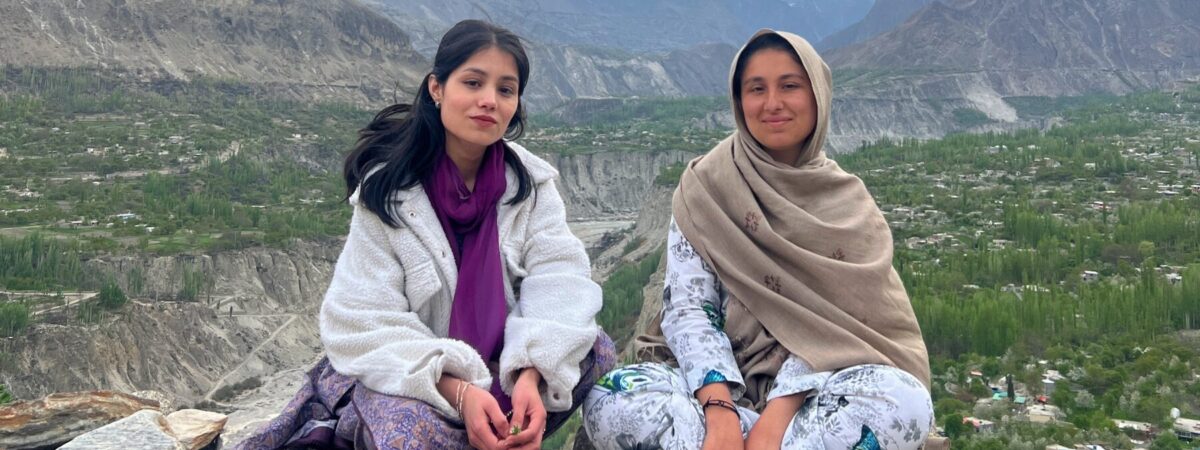
In this story, high school student Zubia and graduate Laraib share an update about their work on Saheli Station as recipients of a YouthMADE Festival Amplify Grant in 2025.
Our small team researches, creates content, speaks with women from the field, and handles writing, design, and media. Together, we’re trying to build a digital space that brings real change, one story and one girl-led action at a time.
One day last summer, we woke up to devastating news: a massive flood had struck a region not far from our community. A key bridge connecting us to the rest of Gilgit-Baltistan had been washed away. Families lost their homes, friends were displaced, and tourists were stranded mid-journey. An alternate route was eventually opened so travel could resume and emergency aid could reach those affected.
Living in the mountains, our land, animals, and agricultural produce are everything to us. They are our livelihood, our source of income, and our hope for survival. Losing them means losing everything. Live footage from the affected areas showed homes that once stood strong reduced to rubble, and lives uprooted in moments. Floods continued to hit valley after valley across Gilgit-Baltistan—Ghizer, Skardu, Khaplu, Upper Hunza—each facing massive floods, landslides, and increasing loss of life.
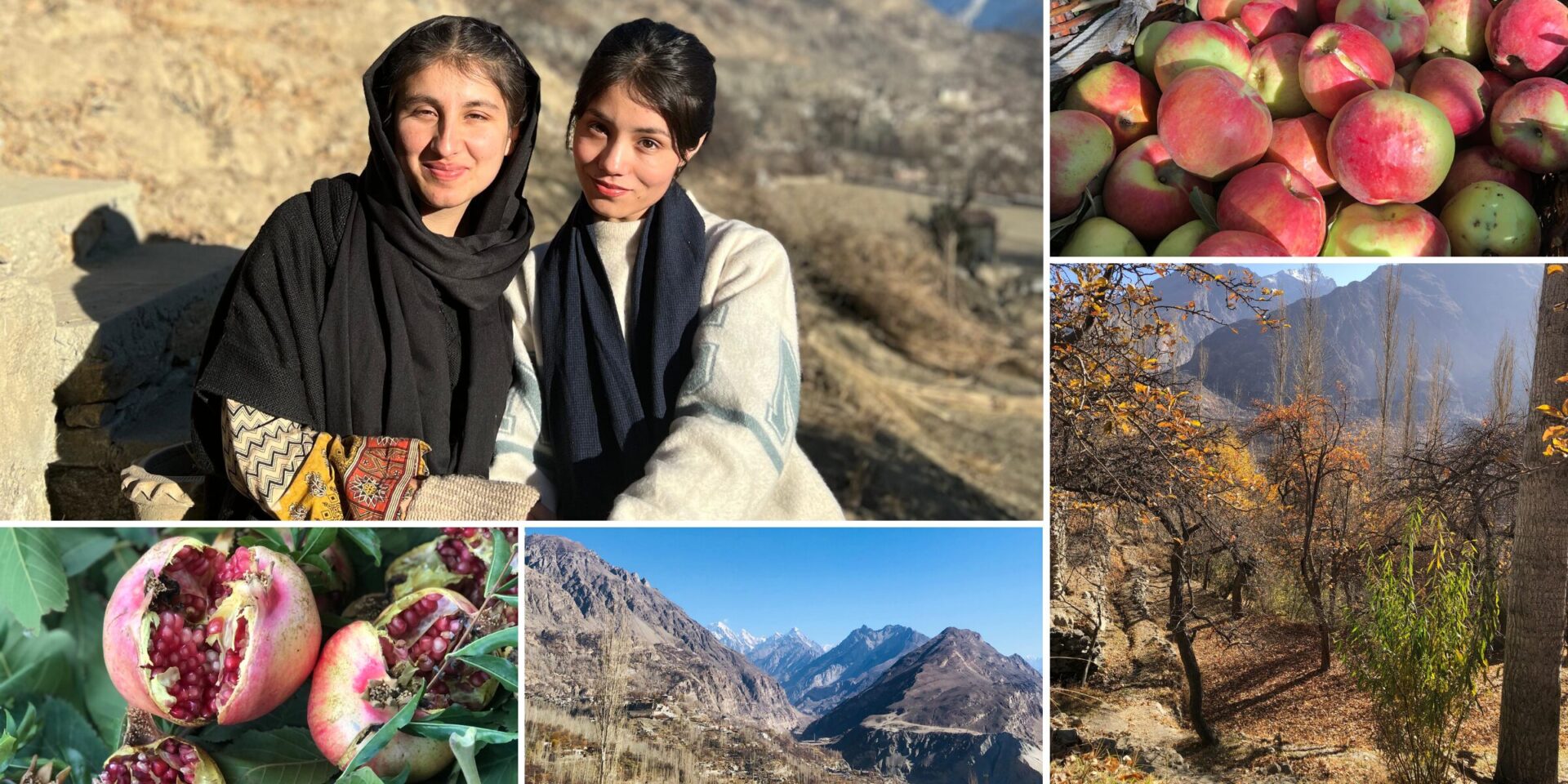
A collage of pictures showing life in Gilgit-Baltistan
One piece of news broke our hearts deeply. A young girl—whose sister used to attend our Saheli Circle—lost her life in the floods while her mother was desperately trying to save her children as floodwater entered their home. Hers was one of many heartbreaking stories. People needed shelter, food, medicine, and menstrual hygiene products. Pregnant women required nutritional supplements to stay healthy, and newborn babies needed basic essentials to survive safely.
“In climate disasters like these, women and children are always the most affected. That was the moment we knew we had to act. As a platform for girls, by girls, we felt a responsibility to step up.”
We began reaching out to girls from the flood affected communities, asking them to share their stories in their own words. Real voices. Real experiences. Soon, we started receiving photographs, voice notes, and written messages. We published these stories on Saheli Station, hoping they would bring people together and encourage support for the affected families. Grassroots organizations and individuals responded. Donations started coming in—monetary support, clothes, medicines, and other essential supplies.
Through this collective effort, we were able to raise approximately 180,000 Pakistani rupees, which helped us purchase menstrual hygiene products, food supplies for mothers and children, diapers, medical aid, and warm clothing for women, men, and children. These supplies were then transported through trusted local contacts and distributed directly to families in the affected valleys.
Saheli Station, which had primarily existed as a girl-led advocacy platform to share our stories, challenges, and everyday realities, became something more during this crisis. It became a bridge connecting stories to action and voices to aid. People shared their experiences, and those stories helped mobilize support. This collective effort brought relief to many families, and we received countless messages expressing gratitude to the donors who made it possible.
This is what powerful learning looks like to us: learning by doing, learning by feeling, and learning by staying connected to people. It did not just teach us skills; it taught us responsibility. When the stories come from girls who live like you, study like you, and walk the same roads you walk, you begin to feel responsible for them. That sense of agency changed us the most.
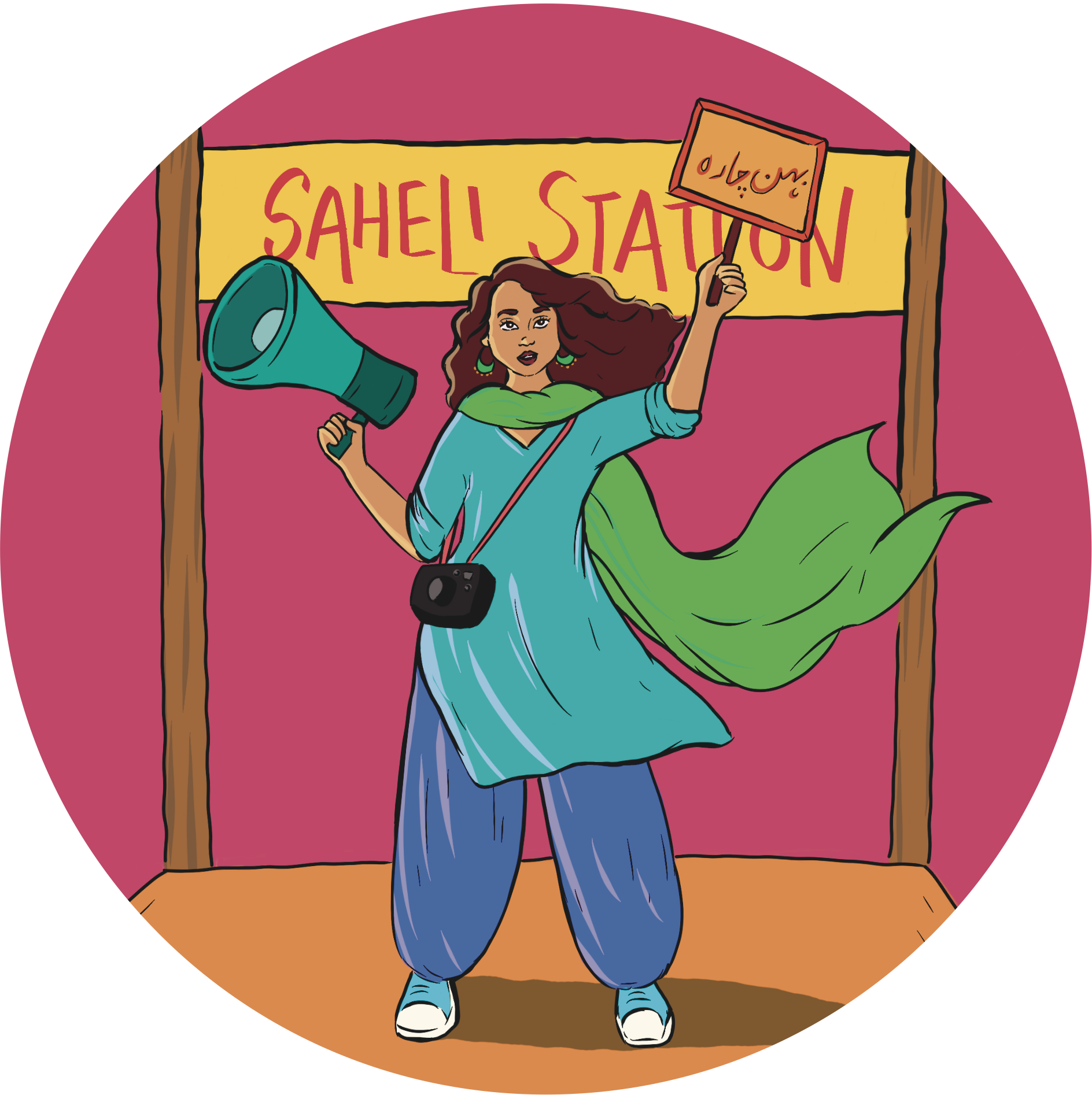
The Saheli Station logo
Students need this kind of learning because real-life problems never come with instructions. You have to observe, ask questions, think creatively, and sometimes trust your heart more than anything else. Projects like Saheli Station give students a chance to work on something that truly matters to them—not because someone assigned it, but because their community needs it. That is why the learning stays with you.
For teachers, helping students have these experiences does not require anything big. It starts with giving them space. Trust their ideas. Let them explore problems they notice, even if they seem small at first. Allow them to experiment, fail, restart, and keep going. Encourage curiosity instead of perfection. And listen to them—really listen. Students often see things adults miss.
For students who want to start a project like ours, our advice is simple: start small and start honest. You do not need a big plan—just pay attention to the problems around you. Talk to people. Ask questions. Use whatever skills you already have. And do not be afraid if you do not know everything in the beginning; we did not either. The more you work, the clearer things become.
Most of all, care about your community, stay consistent, and remember that your voice can create change, even if it begins with just one story.