


As a digital learning lead for Kansas City Public Schools, I’ve always sought innovative ways to engage students and connect them with meaningful, real-world skills. Esports, often dismissed as just “playing video games,” is a powerful tool for fostering personal and academic growth. Through our project, “Beyond Pixel Prowess,” we have shown how gaming can go beyond entertainment to build essential skills, foster inclusivity, and create opportunities that extend well beyond the classroom.
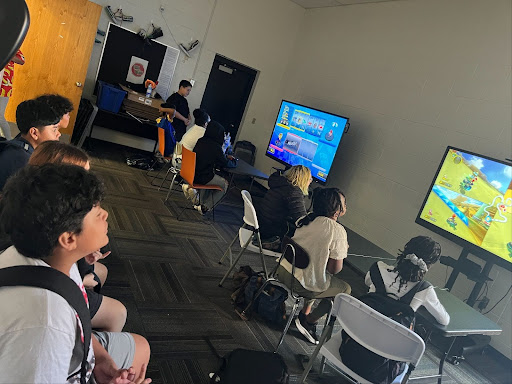
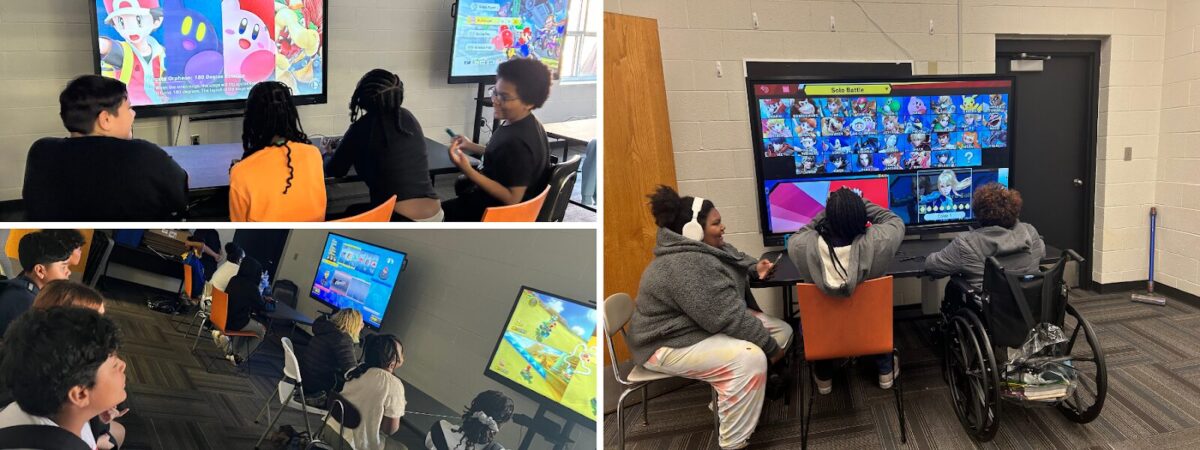
Student members of the esports program
Esports, short for electronic sports, involves organized, competitive gaming. Yet, it’s so much more than that. It’s a gateway to developing critical thinking, collaboration, and technical skills. While students are competing in games like “Rocket League” or “Super Smash Brothers Ultimate,” they are also learning teamwork, problem-solving, and communication—all skills that are transferable to the classroom and beyond.
Through our initiative, students learn how to operate in a fast-paced, team environment, where strategy and adaptability are key. The opportunity not only to play but also analyze and organize these games offers students exposure to disciplines like game design, coding, event management, and even marketing. This intersection between education and entertainment provides a unique opportunity for student engagement.
Kansas City is a richly diverse community, but like many urban areas, we face challenges when it comes to providing equitable access to advanced technology and career opportunities. As someone working at the intersection of technology and education, I saw this as an opportunity to bridge gaps for students. Many of my students already had a strong interest in gaming, but they hadn’t yet realized its potential as a tool for learning and career growth.
Esports became a way to harness their interests in a positive, structured manner, creating a program that not only engages students but also helps them build a foundation of skills for the future.
In my role as a digital learning lead, my goal has always been to integrate technology into the classroom in ways that truly enhance learning. Esports presented itself as the perfect opportunity to introduce students to STEAM through a medium they were already passionate about. I saw esports not as a distraction but as a valuable tool to build skills that would prepare students for the future, both academically and personally.
Our project, “Beyond Pixel Prowess,” started with an essential question: How can esports help us build skills that will benefit us in school and beyond? Working closely with my student tech team, we explored how gaming could be used as an active learning tool, shifting the focus from mere entertainment to education.
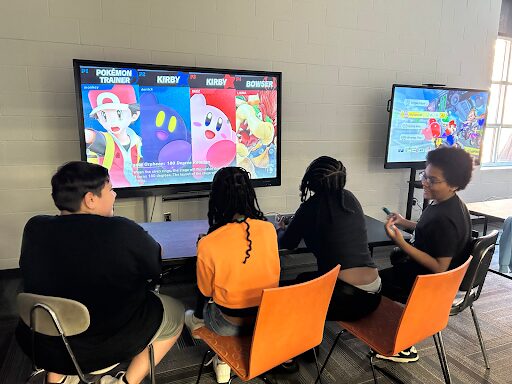
Students gear up for a gaming session.
One of the most significant benefits of the esports program is how it provides a safe and inclusive space for students to express themselves. The program encourages collaboration and healthy competition, fostering a sense of community where students feel supported. Many of our students come from backgrounds where social opportunities may be limited, and esports gives them a platform to network, learn from one another, and develop leadership skills.
One standout story comes from a new student whose physical disability prevents him from joining traditional sports. When he found out our school was starting an esports team, his excitement was contagious. Though he wasn’t initially familiar with the games we compete in, his determination to be part of the team was unwavering. Since joining, he’s mastered the basics of “Super Smash Brothers” and is already showing incredible potential as a competitive player. His goal? To keep honing his skills and earn a spot on our varsity team. This is just one of many stories that highlight how esports is opening doors for students to discover their strengths.
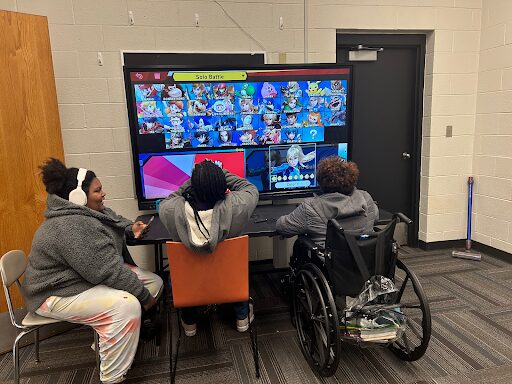
Students engaged in the esports program.
The success of “Beyond Pixel Prowess” has had a lasting impact on our school and district. The initiative’s success led the district to pilot a larger esports program, which now serves as a key part of our educational strategy. The program’s structure ensures that all students, regardless of gaming experience, have the opportunity to participate and grow.
Through esports, students are developing critical skills that transcend gaming. They are learning how to communicate effectively, think critically, and manage their time efficiently. Beyond soft skills, they’re also exploring more technical areas like digital literacy, goal setting, game design and potential career paths. These experiences prepare them not only for academic success but for career pathways in STEAM fields and beyond.
Esports is not just a trend—it’s a powerful educational tool that can be leveraged to help students discover their strengths and unlock future career opportunities. I encourage other educators and administrators to explore the potential of esports in their own schools. It can begin with just a small group of students and a few staff members who are passionate about the idea. Once you identify those champions, you can start building a program that meets the unique needs of your students and school community.
Esports offers an inclusive, engaging, and future-forward way to connect students to learning. It allows them to express themselves, develop their skills, and find pathways to success they may not have realized were possible. By taking the leap into esports, schools can provide students with an environment where they can grow, innovate, and prepare for a rapidly changing world.
Looking ahead, I have big plans for our esports program. My goal is to expand it beyond my school and integrate it more deeply across the district. I want to create interdisciplinary connections, collaborating with teachers in various subjects to show how esports can support learning in areas like math, science, and social studies.
Additionally, I aim to partner with local businesses and universities to provide mentorship opportunities and pathways into internships, ensuring that students are not just gaming for fun but also building a strong foundation for their future careers. The possibilities are endless, and I’m excited to see how far we can take this program.
Esports is more than just playing video games; it’s about building a future where students can thrive in a digital world. By offering programs like “Beyond Pixel Prowess,” we’re giving students the opportunity to discover new passions, develop critical skills, and connect with real-world opportunities.
The story of Esports at Kansas City Public Schools is still being written, but one thing is clear: through the power of gaming, we are creating a generation of students who are not only prepared for the future but are also leading the way.

