

The Center for Learning Sciences Research at Digital Promise investigates how to improve learning opportunities for each learner’s strengths, needs, and community. Discover the top five resources published by Digital Promise’s learning sciences researchers in 2025.
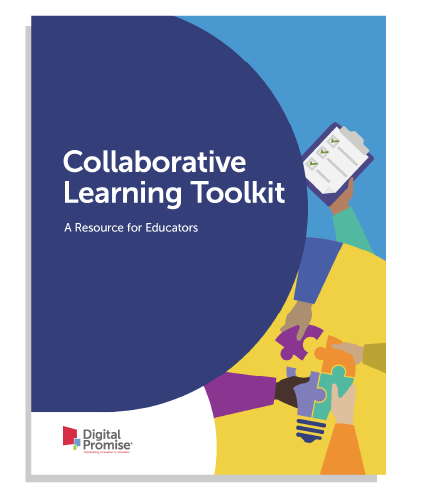
The Mapping, Clarifying, and Communicating Key Ideas about Collaborative Learning (MC²) project brought together researchers and practitioners to co-develop evidence-based resources to support collaborative learning in K-12 classrooms. By connecting current research with classroom practice, they ensured that the strategies teachers use are grounded in research.
Designed by teachers, the MC² practitioner toolkit provides resources for collaborative learning that are flexible, adaptable, and rooted in real teaching experience.
The desire to integrate artificial intelligence (AI) into the education system is causing the field to move at a frantic pace. This rush is widening the gap between institutional readiness and learners’ ability to adopt the new technologies.
In this blog post, we share our new series of briefs that translates AI literacy principles into specific and actionable guidance for PreK-12 schools, postsecondary institutions, and workforce settings. Developed with direct community input, these briefs offer concrete strategies and contextual considerations designed to help the education community make informed decisions for an AI-integrated future.

SEERNet connects digital learning platforms (DLPs), researchers, and practitioners around shared infrastructure. After three years of effort, the project shared lessons learned on the importance of DLPs serving as the infrastructure to bridge the gap between practice and research. This paper highlights innovations in data documentation, experimental workflows, and collaborative relationship building.

Research increasingly highlights the benefits of multilingualism, recognizing the need and opportunity for research and development efforts to understand the strengths and needs of multilingual learners (MLLs) and ensure digital tools and experiences are designed to effectively support their learning. After conducting a landscape study to investigate how technology and digital media are used to support young multilingual learners, we shared this report with our findings. The report concludes with design and research recommendations for future opportunities and efforts aimed at designing edtech with and for MLLs.

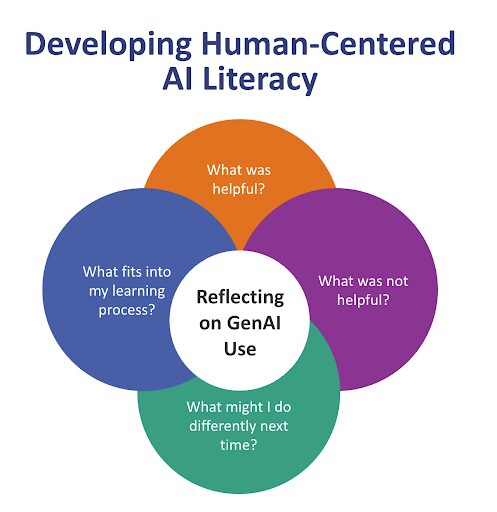
In this blog post, UC Irvine Digital Learning Lab’s Tamara Tate and Digital Promise’s Pati Ruiz share a human-centered perspective to helping students gain skills necessary to use artificial intelligence productively and ethically. Collectives, such as the U-GAIN Reading R&D Center, are working with a National Leadership Cohort of educators to focus on technology that serves learning, rather than replaces it.
Get the latest education research right to your inbox by subscribing to the Learning Sciences Connections newsletter.

