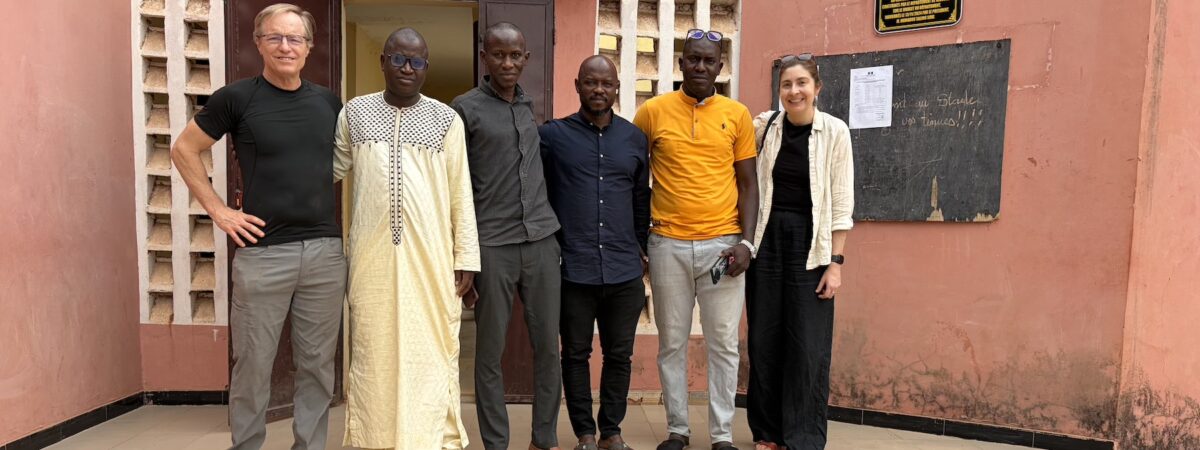


The village of Kevoye sits in one of the most remote corners of Kédougou—a region in southeast Senegal that is as beautiful as it is isolated. To get there from the capital of Dakar, you drive 500 kilometers east, pass through the massive Niokolo Koba National Park, and drive another 230 kilometers southeast to the city of Kédougou, which sits along the banks of the Gambia River. From there, you turn west and traverse another 75 kilometers of smooth, recently-paved road, and eventually turn south onto a red, laterite trail.
A few weeks ago, we headed down that trail toward the Kevoye middle school. We were joined by Ibrahima Traore and Djiby Diallo from the Kédougou Institute, both of whom grew up in the region but had never been to Kevoye. Soon after turning off the paved road, cell service ended and Google Maps stopped showing our route.
After half an hour of driving slowly up and down hills on roads rutted by erosion, we stopped at a home and asked in the local language of Pulaar if we were headed the right way. The reply was: “Ayo. Wodaa.” “Yes, it’s not far.” After driving for another 45 minutes without a signal and questioning our goal of providing computing and internet to the Kevoye middle school, we saw a spire jutting above the trees.
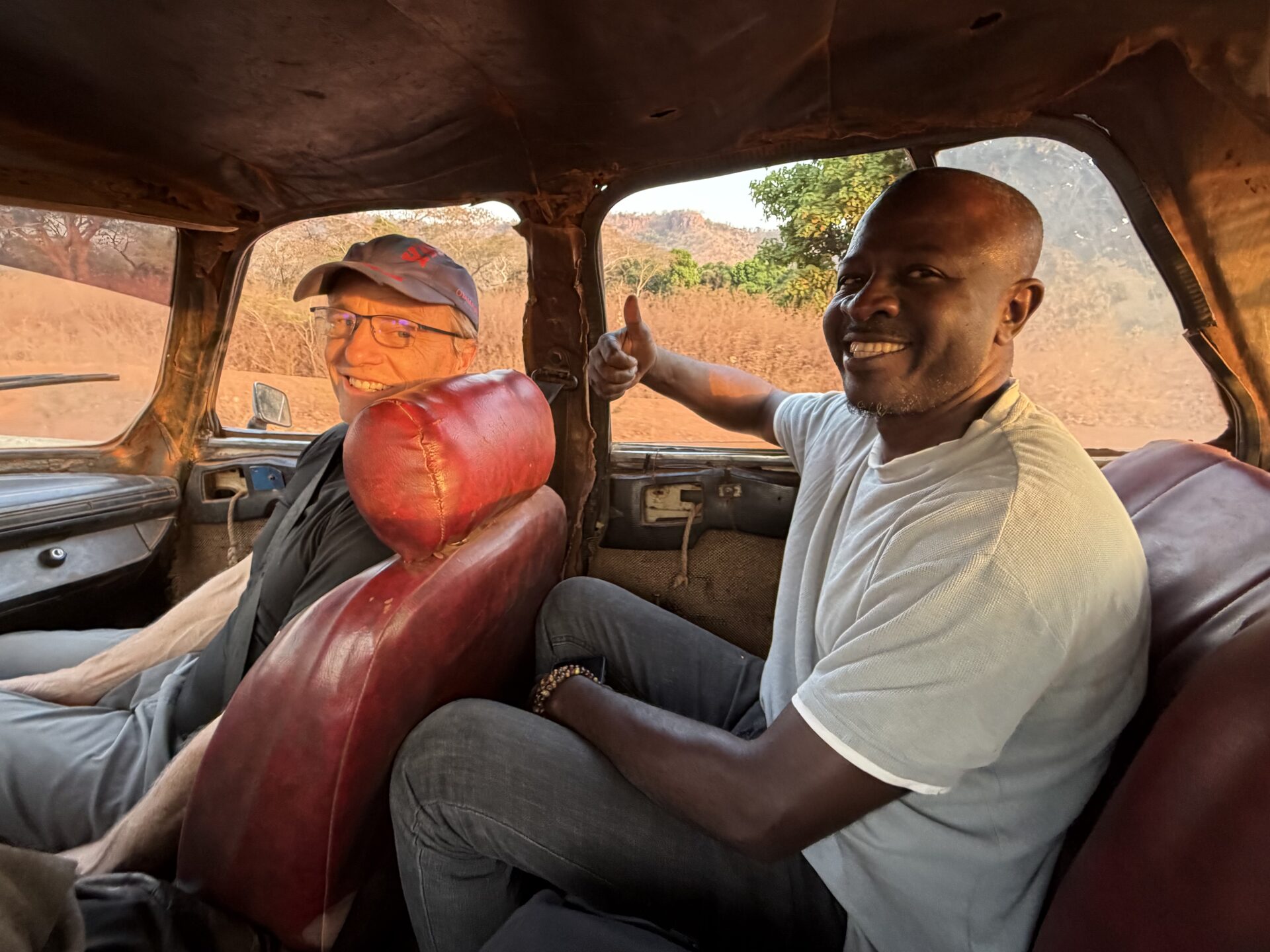
The team made the long journey to Kevoye, one of the most remote corners of Kédougou.
Moments later, we were greeted by the principal of the school, who introduced us to the teachers and their students. They shared how convinced they were that technology could enable teachers to support learners beyond what is currently possible in classes of 60 or more students.
Just one year ago, low-cost, high-bandwidth internet in rural villages like Kevoye seemed impossible. But with the arrival of affordable 5G and satellite options, that reality has completely changed.
The new Brilliant Kédougou project aims to take advantage of that change to expand educational opportunities in this corner of West Africa through three key pillars:
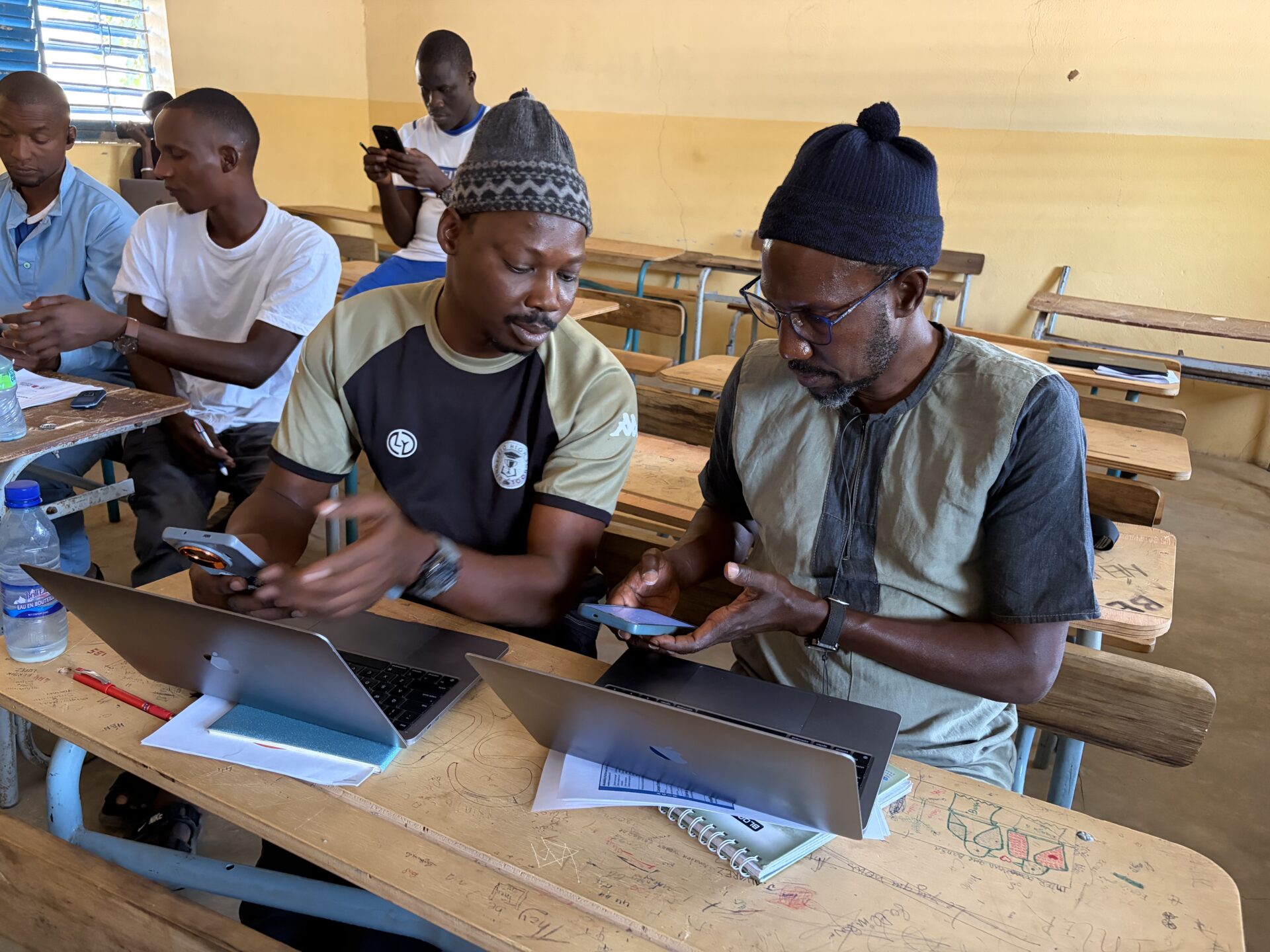
A key component of the new Brilliant Kédougou project is providing professional development that helps teachers leverage technology to overcome the challenges of large class sizes and create powerful learning opportunities.
The two of us have known each other for 15 years, since April served as a Peace Corps volunteer in north-central Senegal while Chris was the Peace Corps country director. Last year, we began discussing ways that Digital Promise and the Kédougou Institute—the nonprofit Chris founded to advance development in the region where he once served as a volunteer—could collaborate.
With funding and logistical support from the Internet Society Foundation and TechSoup, Brilliant Kédougou was born. As Abou Ndione, the principal in the village of Dindefelo—one of our four partner communities—shared, “Our classes are huge. The teachers and students work hard, but with 60 or 80 students, it is hard enough simply to lecture, let alone give any one student the attention they deserve. But we all believe that technology can be part of the answer.”
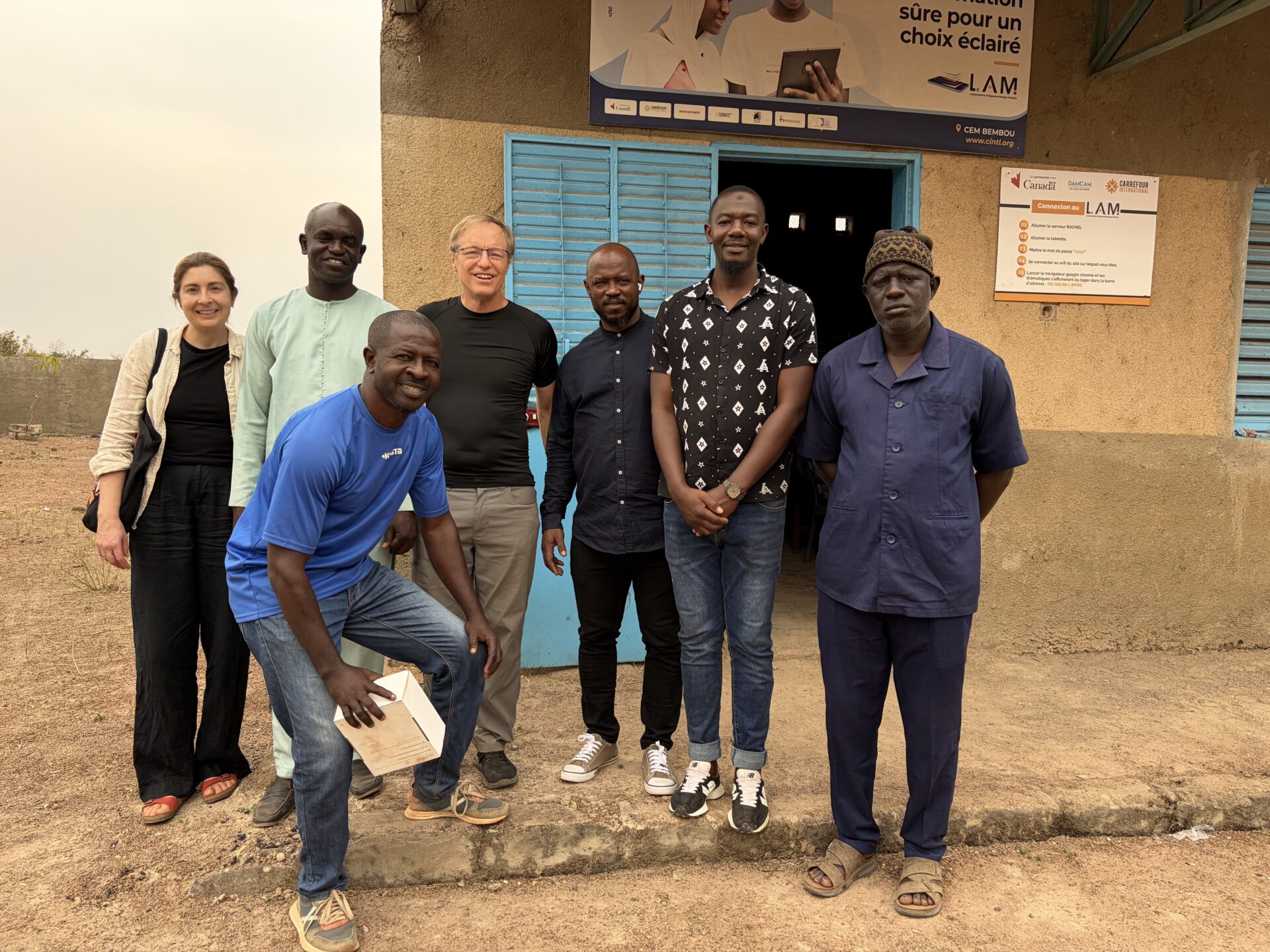
Brilliant Kédougou is a truly collaborative project that is made possible through effective partnerships.
Development works best if it is place-based and approached holistically. Kédougou is not an isolated corner of West Africa to be “helped,” but a laboratory for innovation that can teach the rest of the world.
The Kédougou Institute is rooted in the region and led by people who live in and love Kédougou. This is the only place they work. With this project, we aren’t just dropping off equipment; we are staying. When the tech inevitably hits a snag, we’ll be there on the ground to be accountable, to help fix it, and to share what we learned.
We also recognize that not all challenges are solved by technology. Many are rooted in poverty and resource constraints, such as access to clean water and sanitation. Ibrahima Traore, the Kédougou Institute’s program lead, put it best: “It’s hard to study when there is no drinking water for students or you have to walk a kilometer to use the toilet. We know the computer center will help students prepare for the national exam, but the other things we’re doing will help, too.”
This project combines two unique assets—the Kédougou Institute’s deep community roots and Digital Promise’s experience bringing together educational research, technology, and practice—to create a learning model that is as pedagogically sound as it is locally relevant.
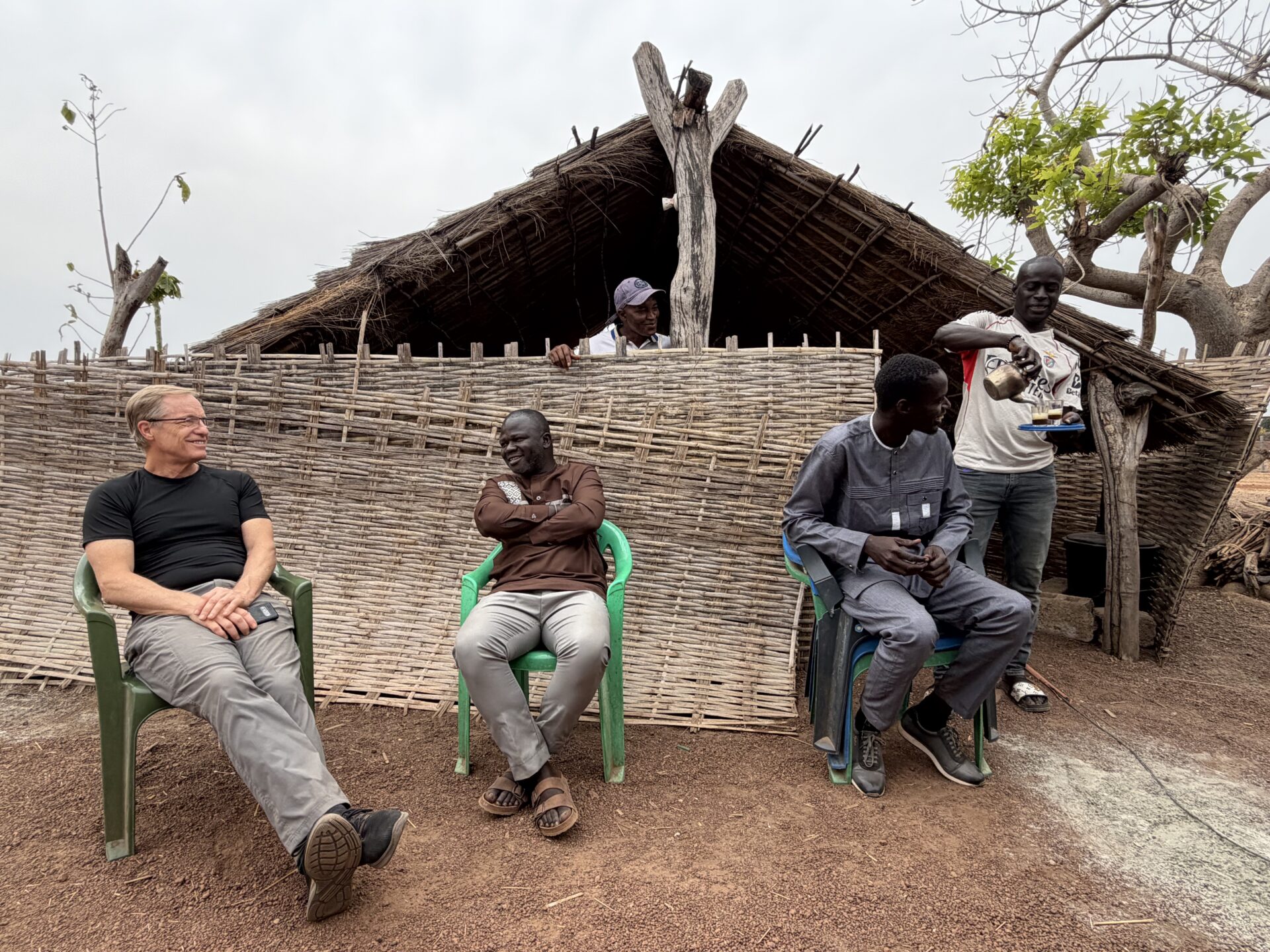
The Kédougou Institute’s community roots and Digital Promise’s experience bringing together educational research, technology, and practice are two unique assets critical to the project’s design.
When we think about the internet and technology in Kédougou, we don’t just see cables and screens—we see a chance to fundamentally change how kids learn. For us, this isn’t about replacing traditional teaching; it’s about giving teachers the tools they need to close learning gaps and help their students build the skills they’ll need for the future. We know from research and experience that just dropping technology into a classroom doesn’t improve education. That’s why our pedagogical approach is built on two very practical pillars:
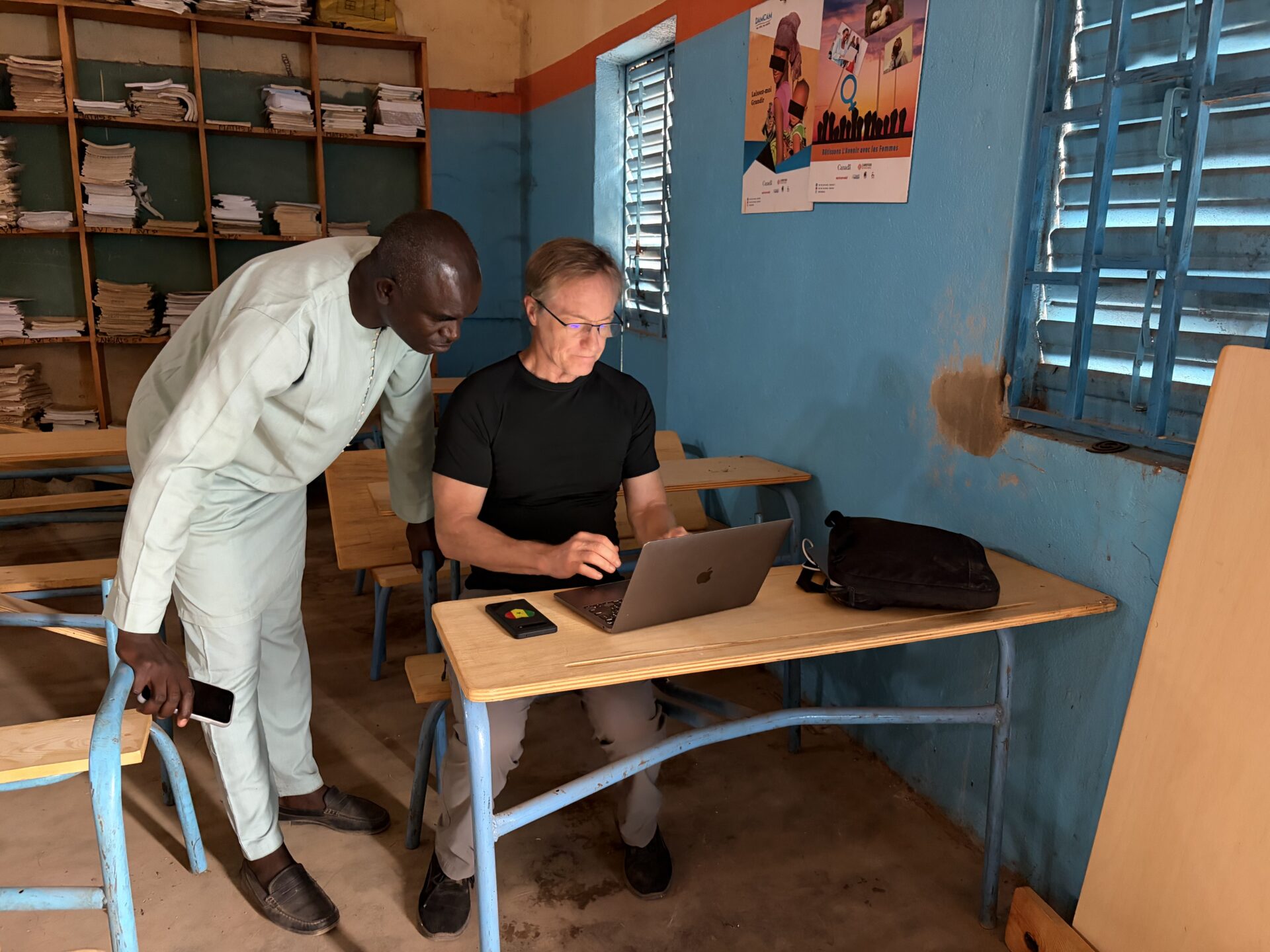
AI use that’s driven by teacher agency and Challenge Based Learning are the two practical pillars underlying the project’s pedagogical approach.
This trip was the first step in a 30-month journey. We’re keeping the momentum going with some big upcoming milestones:
By listening to teacher feedback and refining as we go, we hope Brilliant Kédougou becomes a model that other communities across Senegal and West Africa can use to innovate in their own classrooms.

