




Service Learning Program
At Ella Baker Elementary, grade-level teachers plan and implement integrated units of study focused on service-learning projects. These units are project-based and include research, field study, learning from experts, group projects, presentations, and products that have a direct impact on our local or global community.
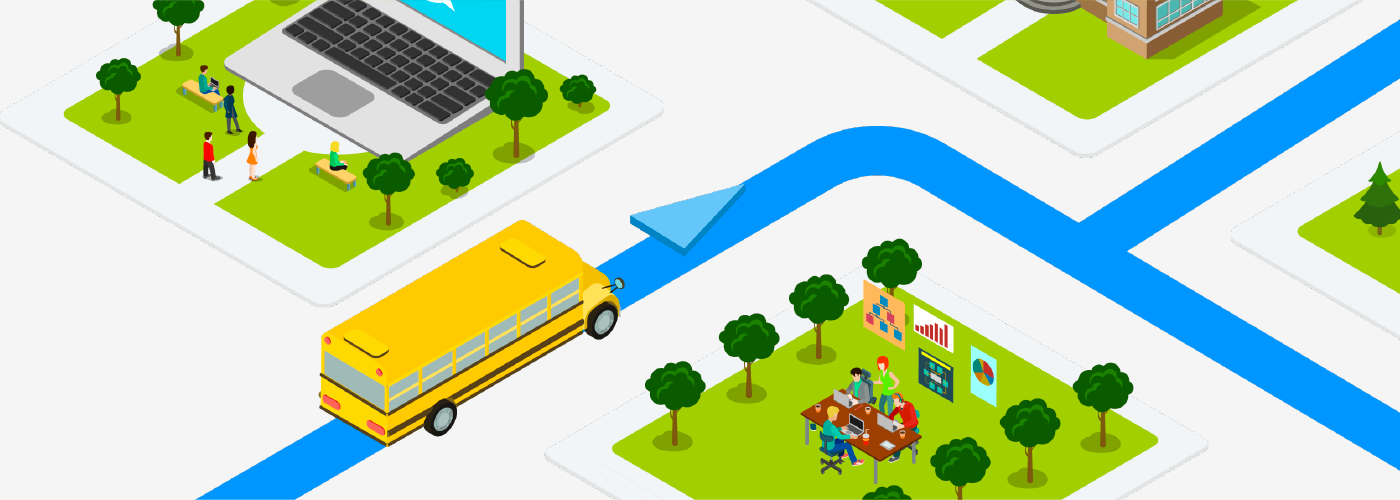
Connections to Real World Learning Roadmap
Select a roadmap destination to learn more.
Vision
Real world learning consists of a continuum of opportunities ranging from exploratory to preparatory including: classroom visits by business/industry professionals (both in person or virtually), field trips, job shadows, internships, apprenticeships and worksite learning experiences. Real world learning also includes authentic and relevant experiences embedded in classroom curriculum and activities that help students understand the connections between content areas, their classrooms, and the real world.
Our goal is that students are able to experience learning that helps them understand the connections between the skills and knowledge they are gaining in school and meaningful work in college, career, and beyond. Additional outcomes are focused on supporting the exposure and connection to a wide variety of career-based experiences for all students district-wide. This layered approach helps all students develop the knowledge and skills they need in the real world and imbues them with a sense of self-efficacy.
Implementation: How We Did It
The goal at Ella Baker Elementary is to engage students in learning grounded in the 6 Cs (critical thinking, creativity, collaboration, character, citizenship, communication), which helps them identify issues and opportunities in the world around us, develop responses and plans, and take action to make a positive difference.
We created a common vision and mission based on empowering students to be changemakers. We engaged staff in professional development around project-based learning, service, learning, and deeper learning. Teachers visited schools engaged in project-based learning and service to observe and bring back best practices. Grade-level teams used a common template to plan units of study.
Our key activities included on-going professional development (two years) around project-based learning and service-learning and grade-level collaboration and planning time (time to do the work). Teachers focused on making sure that the units of study they designed were aligned to our vision, mission, and core values.
Consulting companies such as PBL Works helped us focus and implement our vision. Teacher leaders created aligned expectations, unit templates, and planning guides.
Related Resources
 Community Partners
 Curriculum
 Measures
 Professional Learning
Community Partners
Each grade-level team creates partnerships with external partners relevant to each specific unit of study. Our Parent Teacher Student Association provides parent volunteers to help teachers connect with partners. Parents and teachers help establish and maintain relationships with community partners. Many of these partners are non-profit organizations. The expert may come do a presentation or participate in interviews conducted by students. Community partners are also invited to our celebration of learning. Many of our service projects have a direct and positive impact on the partner organization.
Curriculum
Each unit integrates literacy skills, listening and speaking skills, and the 6 C’s (critical thinking, collaboration, communication, creativity, character education, and citizenship) with content areas, such as social studies or science.
Measures
We have both academic and social success indicators. We survey our students each year and use this data to inform the impact of the service-learning units on student attitudes, beliefs, and sense of belonging. We also monitor student progress on the 6 C’s by using rubrics. Students self-monitor their progress, and we also use teacher evaluations of students. Specifically, we track academic progress through their products, presentations, and group work.
Professional Learning
We have a flexible and comprehensive professional learning plan in our district. Schools and departments are able to access release days and paid meeting times after school for collaborative work. This particular project involves partnerships with experts/resources in the field who are able to work with our teachers in multiple ways. It also incorporates a professional learning community structure in the school and/or content area to take the learning from theoretical to applied.
Support Structures
We created a school-wide success plan and unit agreements to ensure the success of each team. We use district-provided technology platforms that provide safety for our students. We applied for an innovation grant that helped us launch our work. Our Parent Teacher Student Association now continues to fund our service-learning projects by providing each grade-level a set amount of money for field trips.
The Future of this Work
Our school is committed to continuing to deepen and expand our work to ensure students experience relevant and real world learning. We will do this through continuing learning about and embedding the 6 C’s in our curriculum and developing and expanding service learning in the classroom.

