

Namuwongo, one of Kampala’s largest informal settlements, is often described in terms of its challenges, such as overcrowding, poor sanitation, and limited opportunities for young people. But when you walk into the Creative Child Foundation, you see something different: empowered learners with sparks of ingenuity, a willingness to experiment, and the determination to build something out of almost nothing.
With no access to high-tech labs, they repurpose wood offcuts, discarded metal, and decomposed waste like plastics to create prototypes of solutions to problems affecting their communities. What others see as trash, they see as raw materials for change.
Minnah Ssentongo, whose Fish Alive project won recognition in the Ciena Solutions Challenge, grew up near polluted waterways and saw firsthand how poor waste management was harming both the environment and livelihoods. She realized that with Uganda’s growing demand for fish, local farmers needed low-cost, sustainable technology to boost yields—and they needed it fast.
Armed with basic coding skills and a commitment to environmental stewardship, Minnah and her team set out to create a fish farming monitoring and filtration system. Using salvaged plastic bottles, pieces of wood, and simple sensors, they built a prototype that helps farmers track water quality and fish health.
The beauty of Fish Alive lies in its double impact: it gives small-scale fish farmers affordable tools to improve their harvests while reducing plastic waste in the environment. In a community where unemployment is high, the project also opens pathways to income generation, particularly for young people and women.
“Every time I collect a discarded plastic bottle, I see the potential for something that can feed families and clean our rivers. This isn’t just about fish—it’s about our future.” — Minnah Ssentongo
For Maya Amarri Mbabazi, the movie The Matrix motivated her to become a technology innovator. She asked her parents if she could learn computer skills, and they enrolled her in one of the Creative Child Foundation’s programs at the age of six. Last year, at the age of 10, she launched the Grow with Maya Initiative, giving life to thousands of more children like her to unlock their superpowers and positively influence affairs of their community.
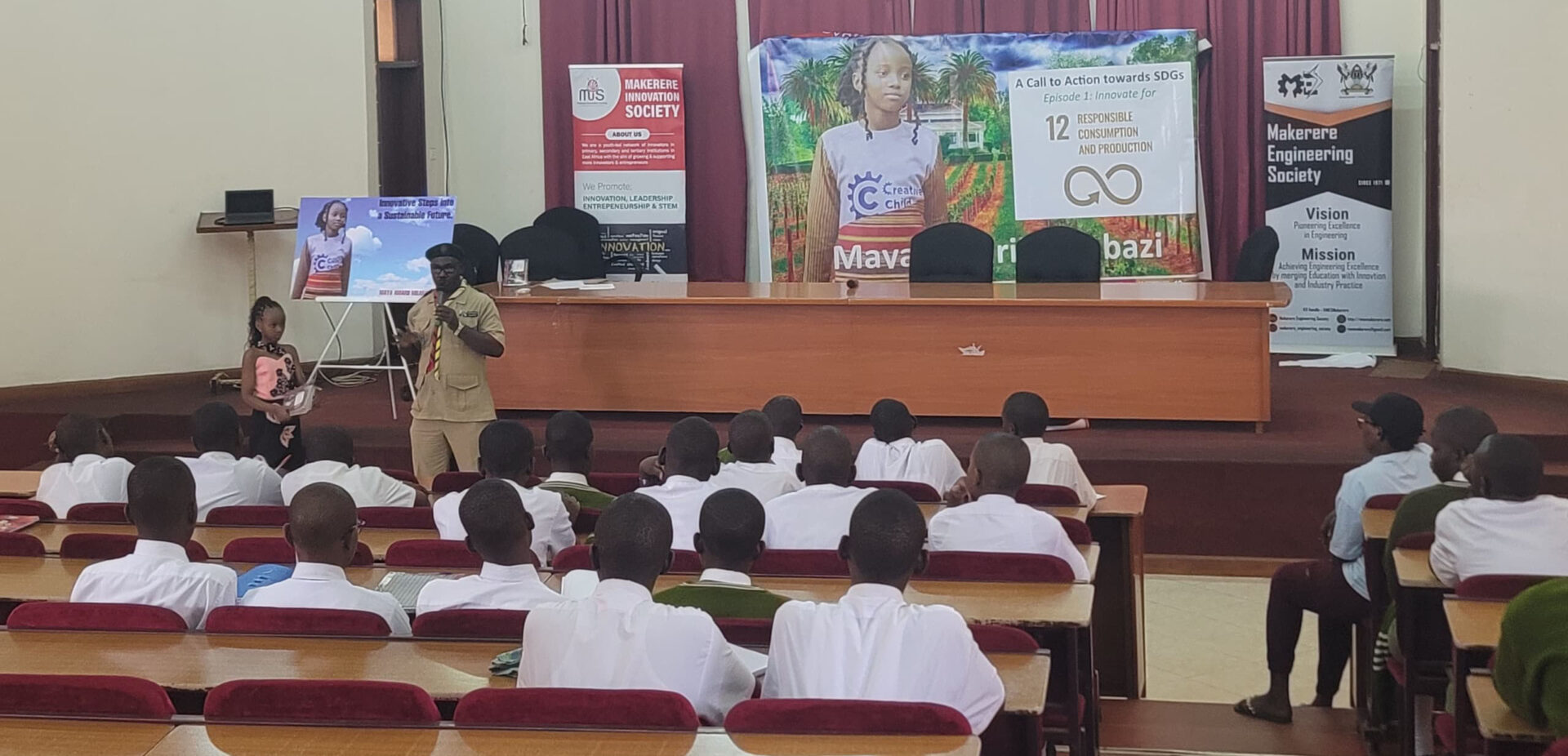
Maya launching her SDGs book and Grow with Maya Initiative
Listen to her teacher describe the image above.
She has become an inspiring young leader not only in her community but also across Uganda.
In Namuwongo, the ability to innovate with what’s at hand isn’t just a creative choice—it’s a survival skill. Limited funding means we can’t always buy new components or order expensive kits. Instead, our students learn to:
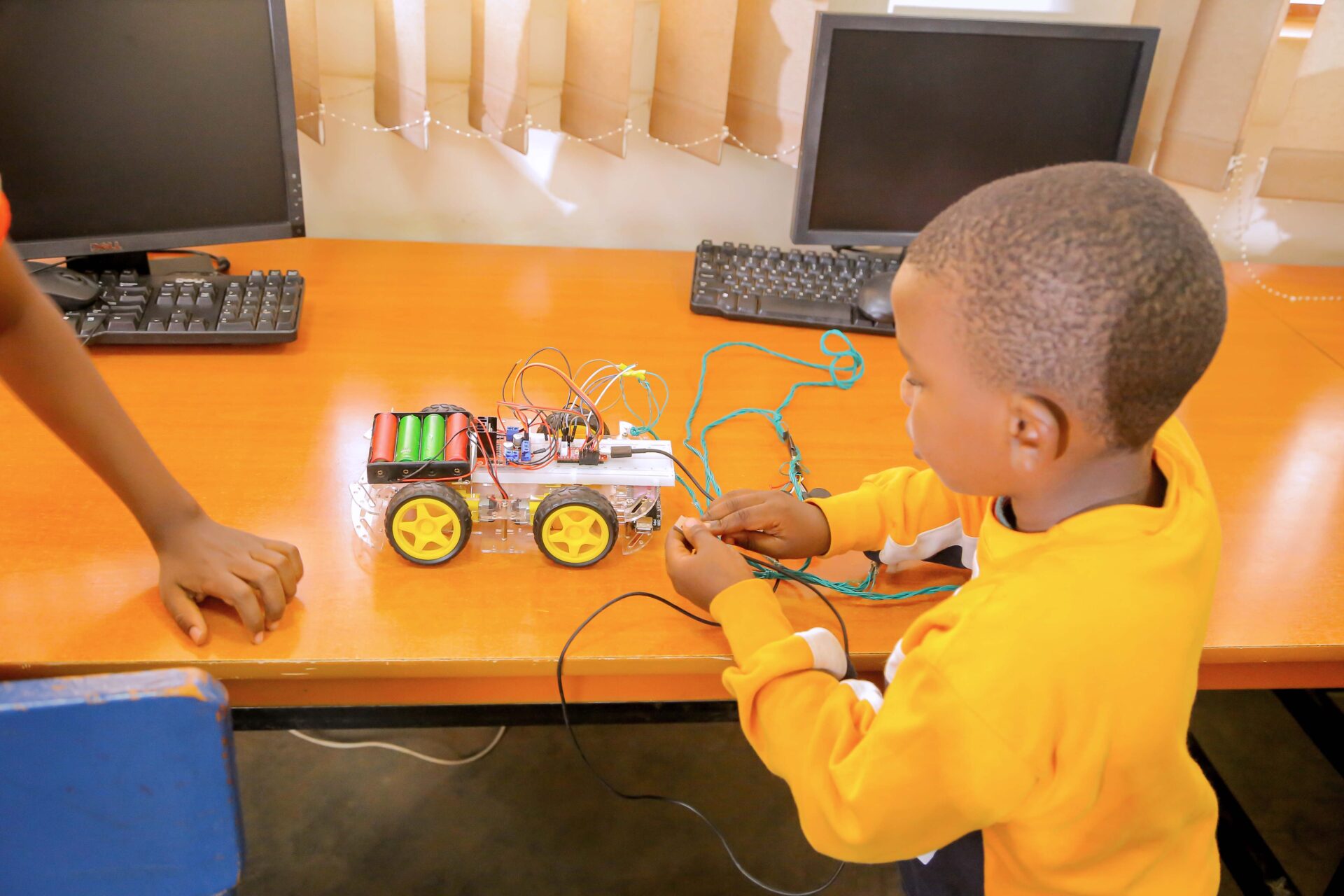
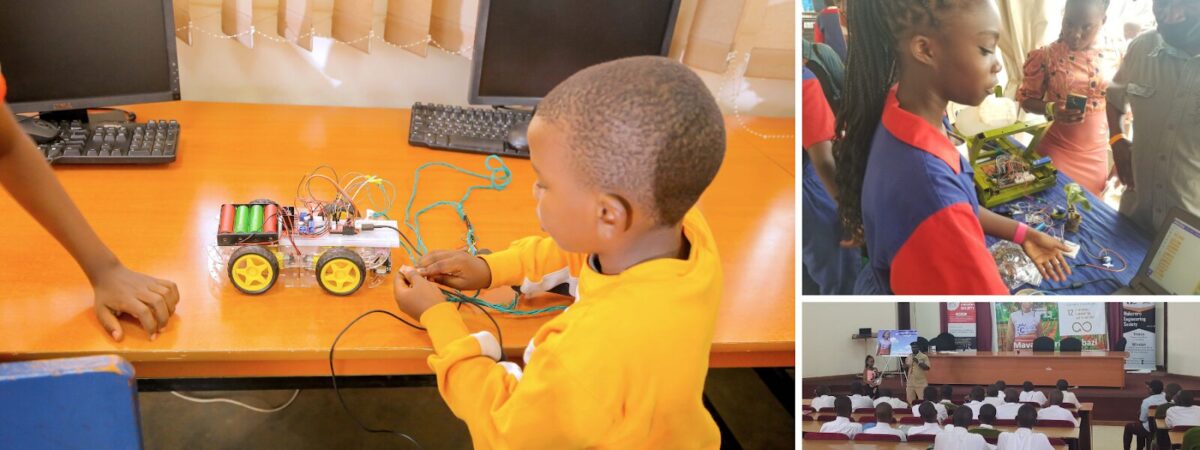
Five-year-old student building a robotic car.
Listen to his teacher describe the image above.
This mindset doesn’t just build technical skills; it also builds resilience, resourcefulness, and a deep connection between students and their communities. In addition to Fish Alive, our students have developed a range of innovative projects, including a solar-powered water purification unit made from recycled metal drums and mirrors to provide clean drinking water to families, a waste-sorting alert system using basic sensors to help households separate recyclables from organic waste, and upcycled furniture crafted from discarded pallets and plastic waste to create community learning spaces.
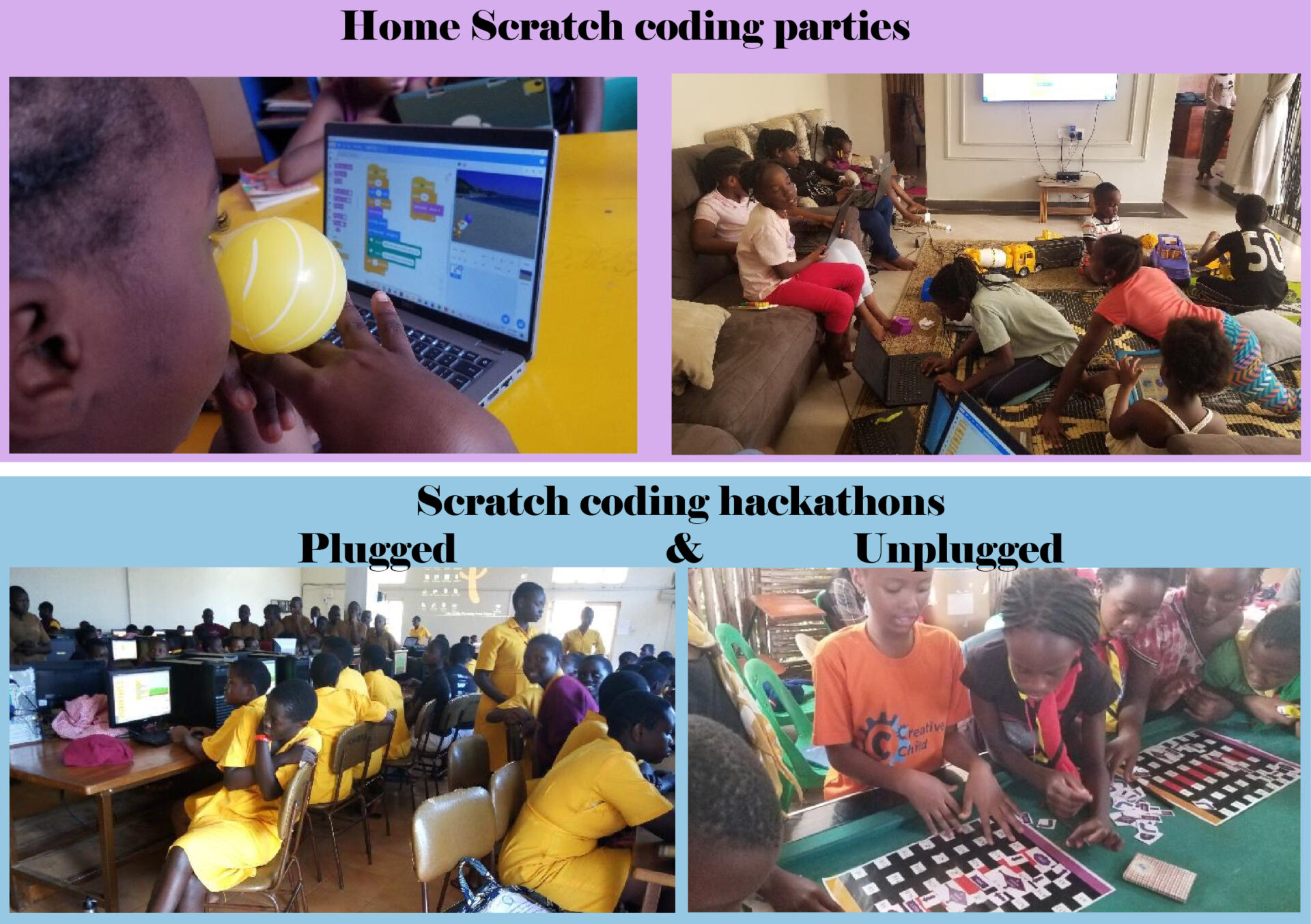
These projects are grounded in the issues students face daily, making the learning process urgent, relevant, and deeply motivating.
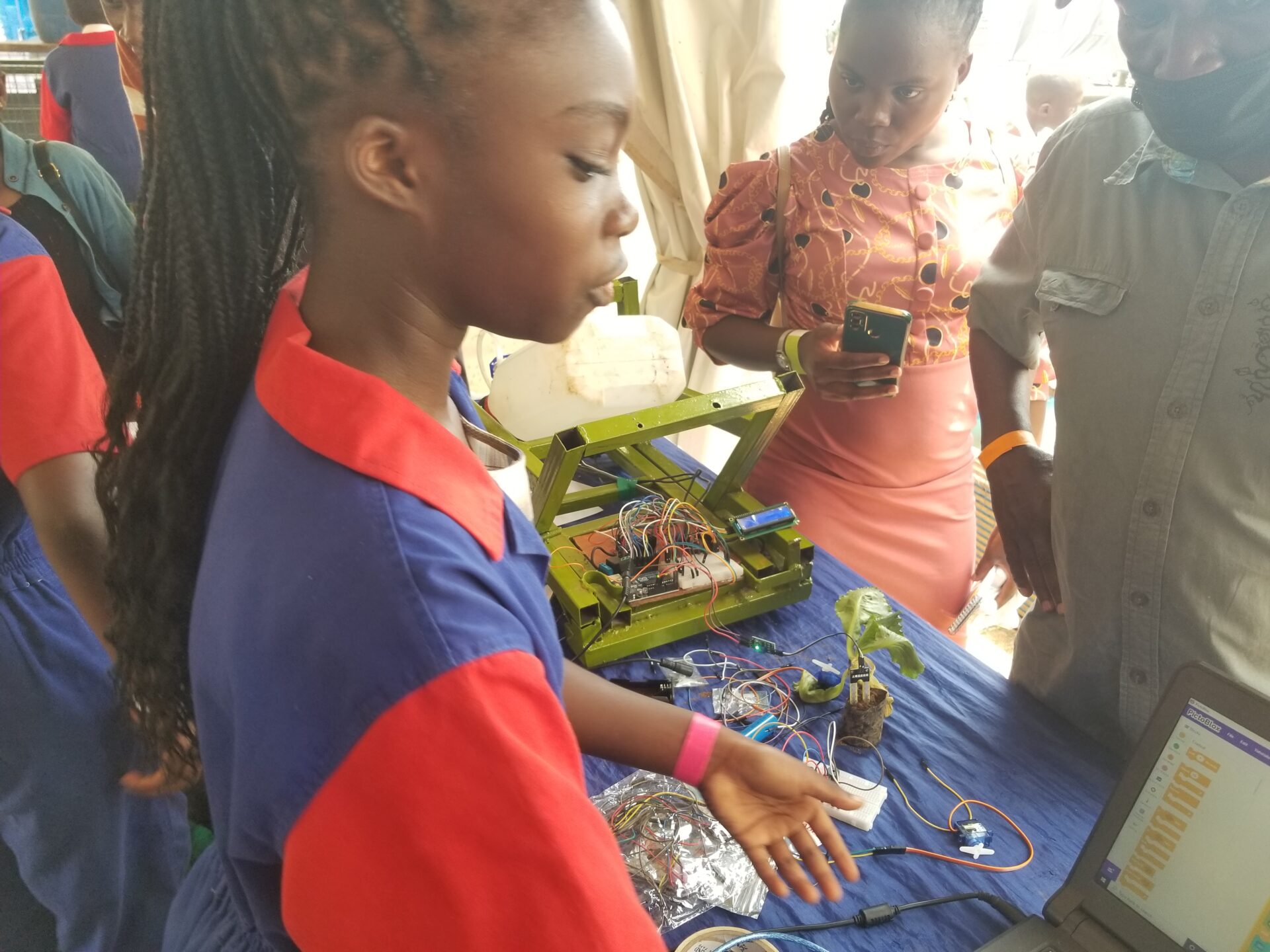
Students showcasing their bootcamp projects.
Listen to their teacher describe the showcase.
If the youth of Namuwongo can build functional, environmentally-friendly solutions from discarded waste, imagine what’s possible when every learner is given the chance to innovate. The lesson is clear: access to creativity and innovation should not be limited by geography or economic status. Educators everywhere can:
Namuwongo is teaching the world that innovation is not the privilege of the well-equipped—it is the right of the determined. And when young people are given space to imagine, create, and lead, they can transform not just waste into treasure, but entire communities into hubs of possibility.

