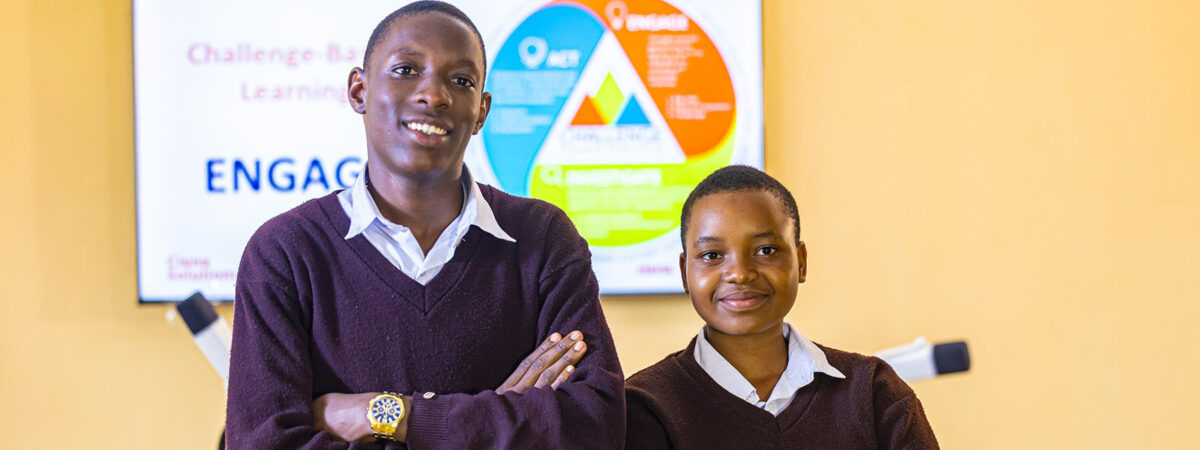


The Ciena Solutions Challenge from Digital Promise and Ciena is designed with this reality in mind. Since launching in 2021, more than 1,200 educators and their students across 103 countries have engaged with this global design challenge that invites students to design solutions that address Sustainable Development Goals within their communities.
Discover how its impact has unfolded around the world in this interactive StoryMap and through the stories of five alumni whose experiences in the Challenge helped shape not only what they can do, but who they are becoming.
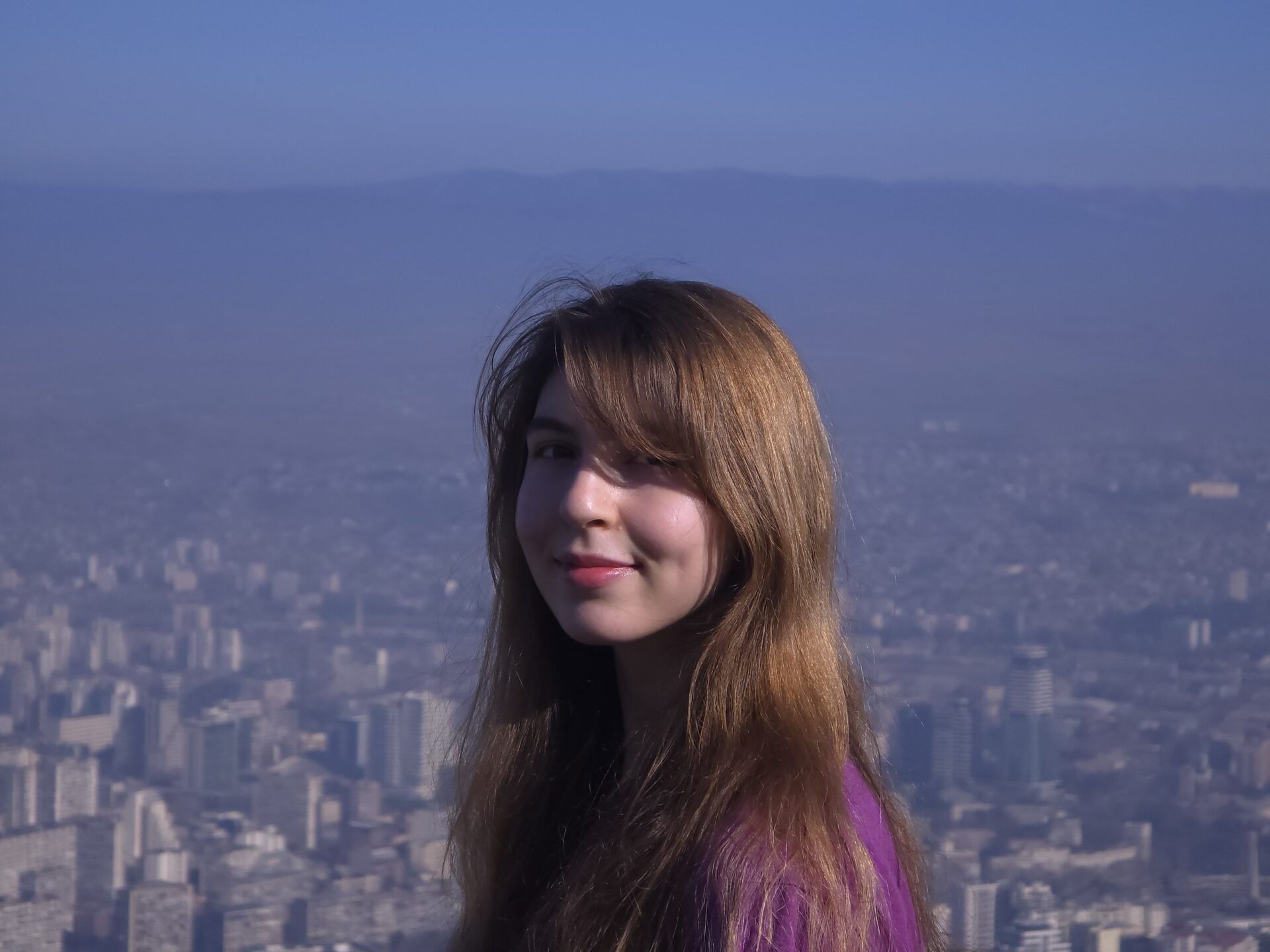
Reflecting on the experience, Nino shared, “What stands out most is the moment when the project stopped feeling like a school assignment and started feeling like something real. We were experimenting, adjusting processes, and asking ourselves questions like: Could this actually work outside the classroom? Could it become something scalable? That shift from completing a project to thinking about real-world implementation was exciting and completely changed how I saw STEM projects.”
Now studying artificial intelligence engineering at at Mohamed bin Zayed University of Artificial Intelligence in Abu Dhabi, UAE, Nino plans to pursue a career as an AI engineer and credits the experience with shaping her interests: “It helped me realize that I’m most interested in the intersection of science, technology, and entrepreneurship, where research doesn’t stay theoretical but evolves into solutions that can actually impact people and communities.”
As part of the Challenge, Vanessa and her team developed an organic nutrition bar. The idea came from her observation that many students in her community were going to school without breakfast, yet still needed the nutrition and energy to learn.
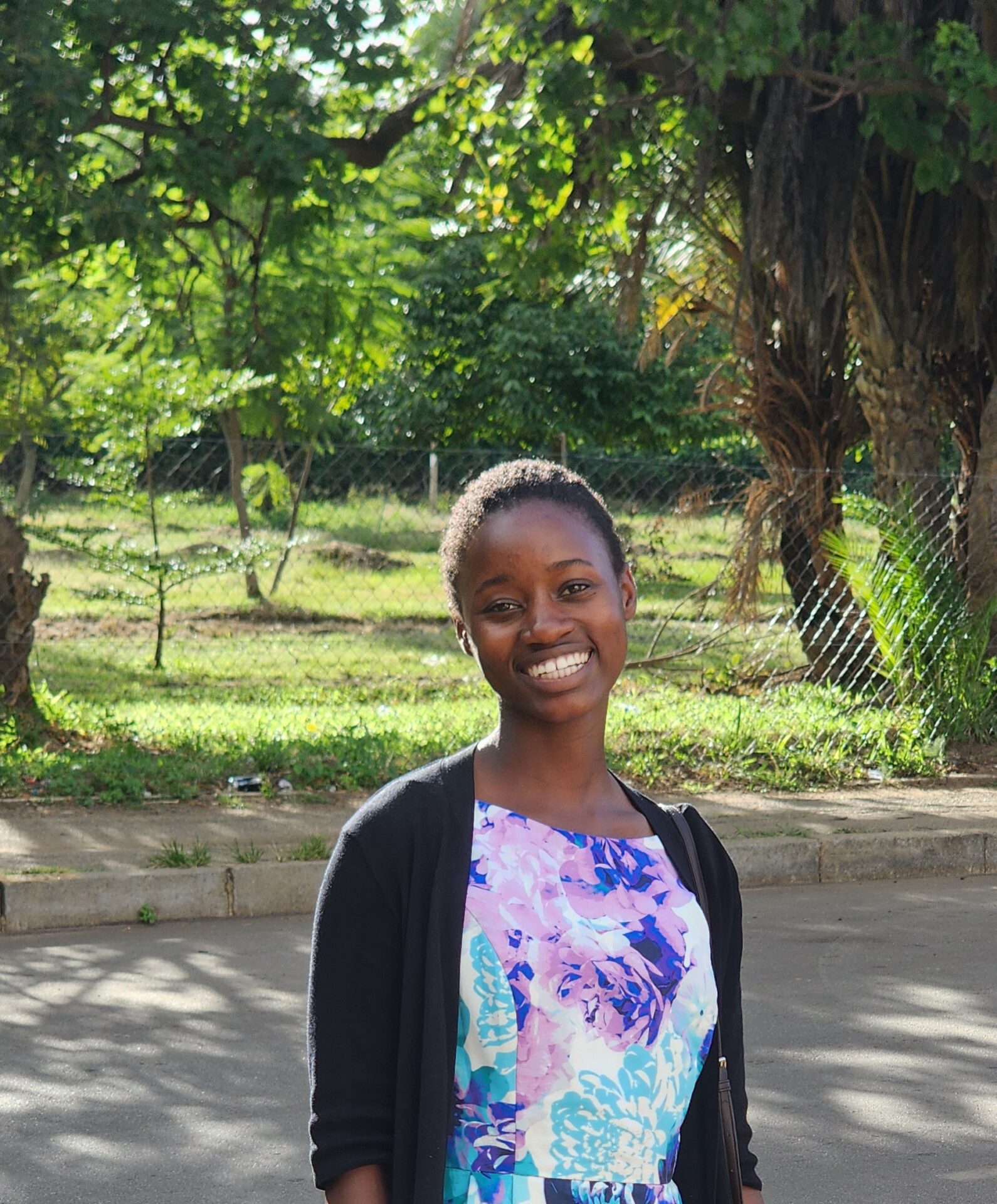
Vanessa recalls the skills she developed and the excitement of experimenting in the food lab and seeing their idea take shape. “The smiles and feedback from everyone who tried the nutri-bar gave me so much hope and motivation to dream bigger,” she said.
Now studying media marketing and communication at the University of Zimbabwe and interning with the Environmental Management Agency (EMA), she credits the experience with bringing her interests into focus: “I have always loved awareness and inventions […] Being a participant in the Ciena Challenge made it manifest as I still get to tell stories and be a part of the people bringing brilliant solutions to the world.”
As part of the Challenge, they worked on the “Shika kwa Mikono” (Hands-On) project, learning to use computers, explore online resources, and create content. What stood out most was the sense of teamwork and discovery. “We struggled to find solutions […] but those challenges pushed us to think creatively and rely on each other’s strengths,” Wisdom said. Neema also explored design and podcasting, creating and sharing content on gender issues.
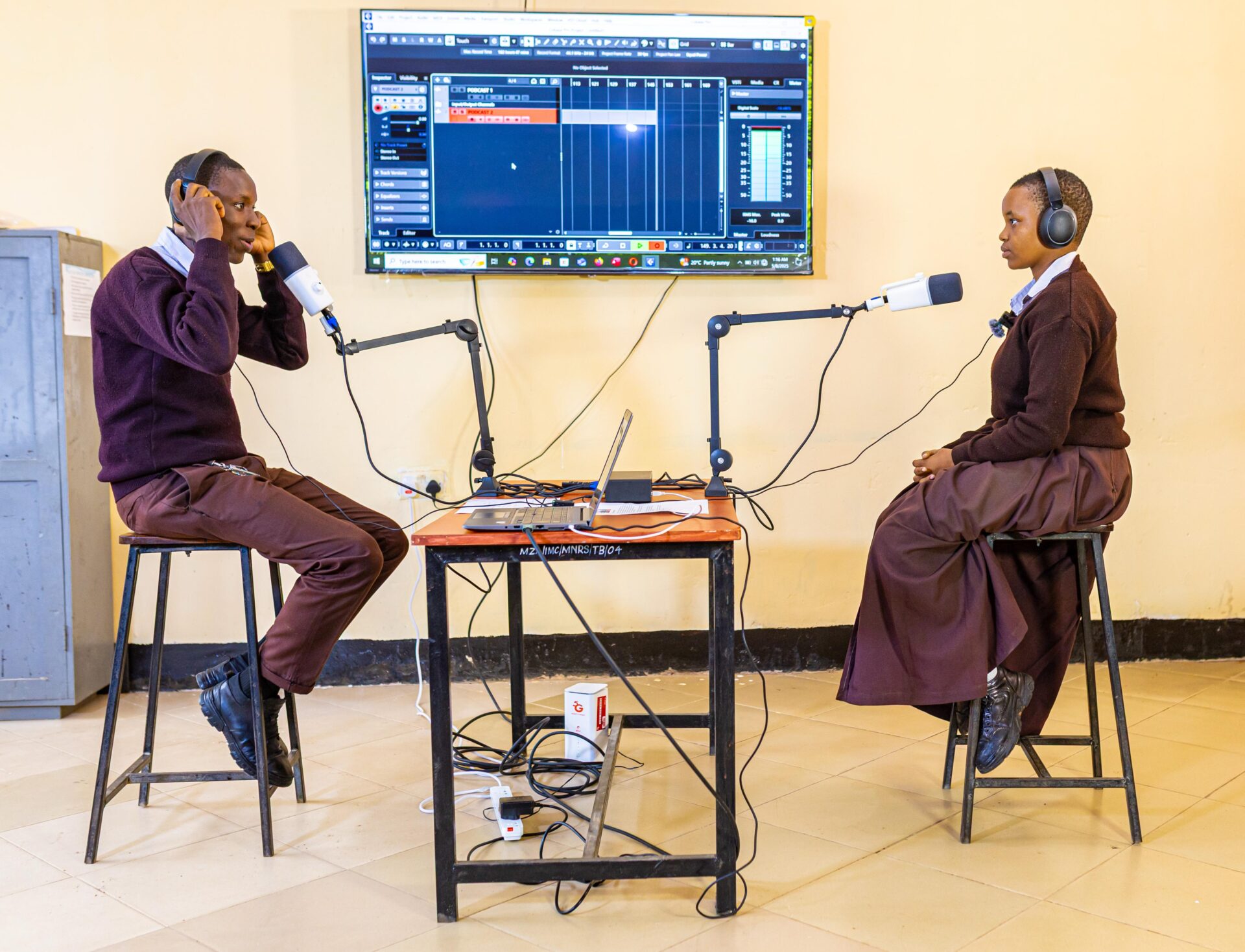
For both, the experience became about applying digital tools to support and influence others. The experience deepened Wisdom’s interest in environmental science, while expanding Neema’s vision beyond her immediate community. Today, Wisdom plans to pursue entrepreneurship, and Neema is considering starting her own design and tailoring space.
During the COVID-19 pandemic, Aline participated in projects to support students facing barriers to learning and connection. Through this work, her perspective shifted outward. “I stopped having that more egocentric view and started caring more about society, the local communities,” she said.
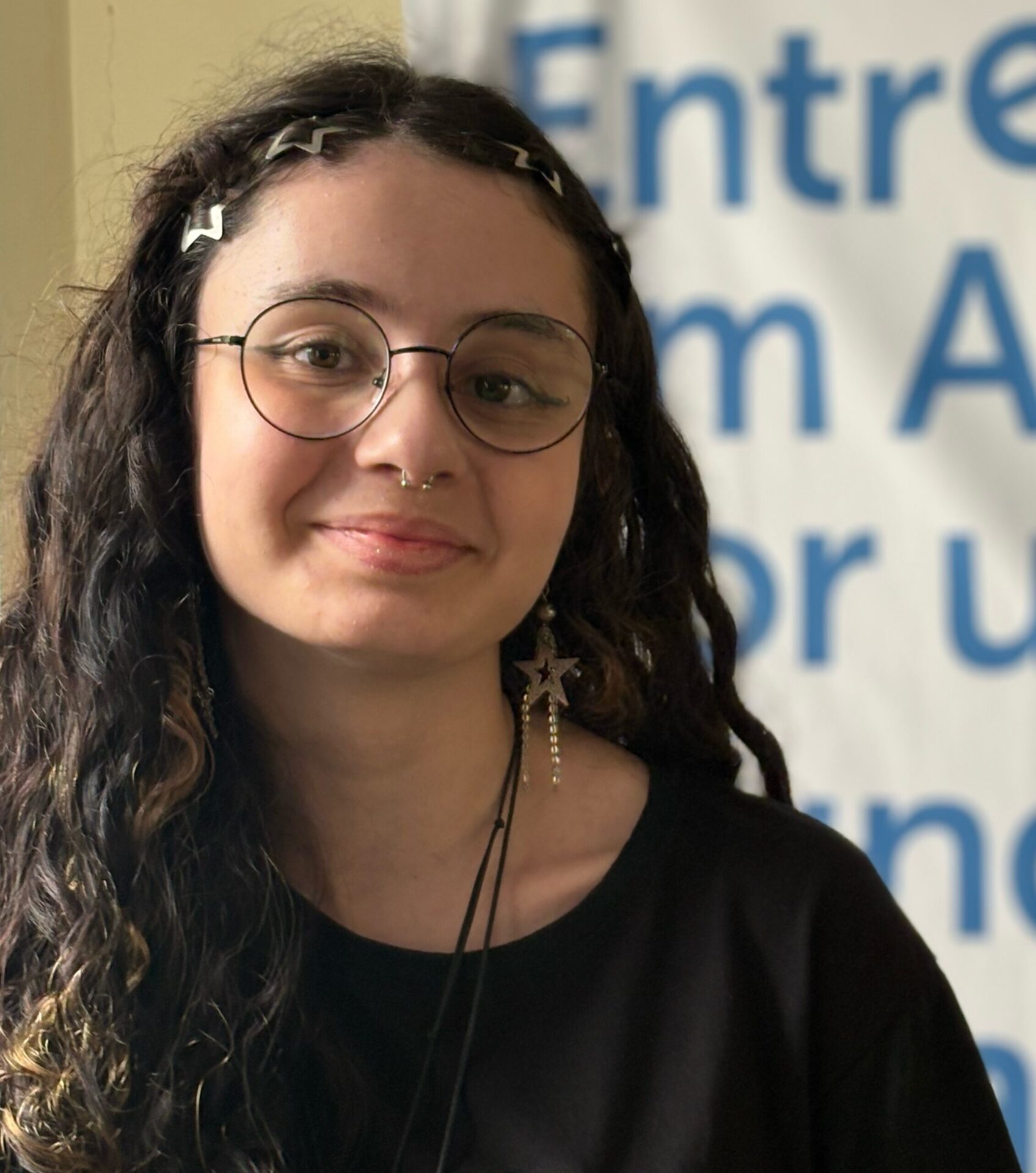
She recalls supporting a classmate with a fractured foot by creating alternative ways for her to stay included, strengthening a sense of responsibility for others. This included using activities like board games to ensure she remained connected with her peers. For Aline, this reinforced what it means to take responsibility not just for learning, but for others.
Through the experience, Aline developed empathy and problem solving skills she continues to use today. “In psychology school, you work a lot on empathy skills, listening to others, and seeking solutions,” she said.
The past five years of the Ciena Solutions Challenge point to a broader shift in how we think about teaching and learning. To prepare for a rapidly changing world, students need opportunities not just to learn about real-world challenges, but to be part of solving them. In the end, it’s not just about what students create, but how these experiences shape who they become and what they believe is possible.

