

What follows is a conversation with Dr. Julio Vazquez, director of instruction and human resources in North Salem Central School District in North Salem, New York. Here he reflects on how his district has moved Portrait of a Graduate from aspiration to action, diving into the opportunities and challenges of operationalizing their Portrait, and why modeling future-ready practices as adults is essential to making the work stick.
The interview has been abridged and edited for clarity.
Why do you think Portrait of a Graduate is so important and relevant in education today?
Knowledge is now a commodity easily accessible through any educational technology platform. What will help students in the future is not just absorbing information, but understanding what they are able to do with that knowledge. We have to teach our students how to think effectively.
Our Portrait of a Graduate helps center our work, ensuring the district’s mission is operationalized for every student. Related initiatives like Habits of Mind, visible thinking routines, and computational thinking—far from being peripheral skills—are the pathways that allow our students to achieve Portrait competencies in a thorough way. While the Portrait began as something aspirational, it has now become the standard we are actively actualizing for every student.
In your opinion, what has been the most successful part of the Portrait program in North Salem?
We’re intentionally aligning our Portrait to assessment components so that it isn’t just something aspirational. We’re identifying where the Portrait is living in the district and how we can do a better job of creating those experiences for our students.
O.P.T.I.O.N.S. Presentations
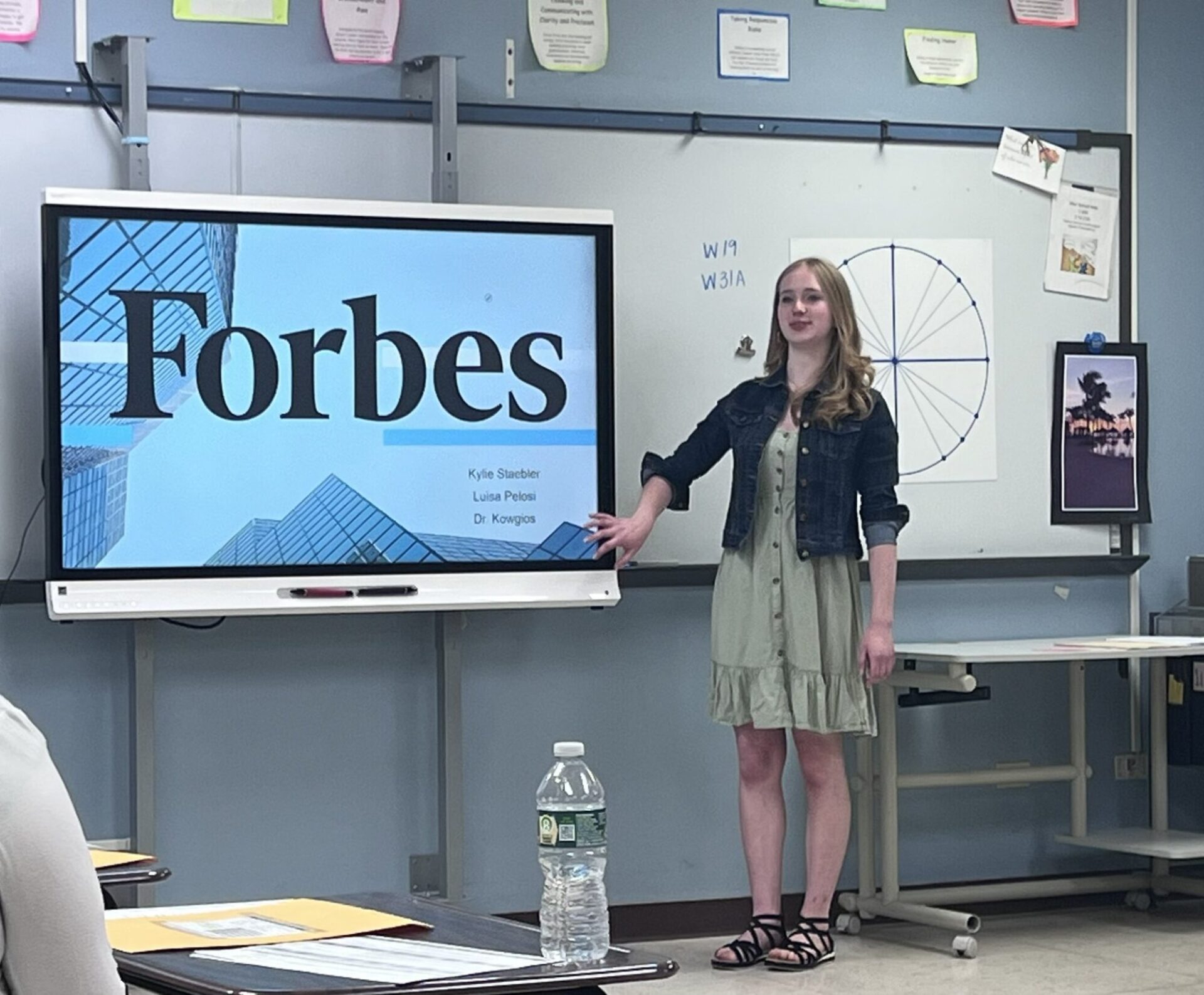
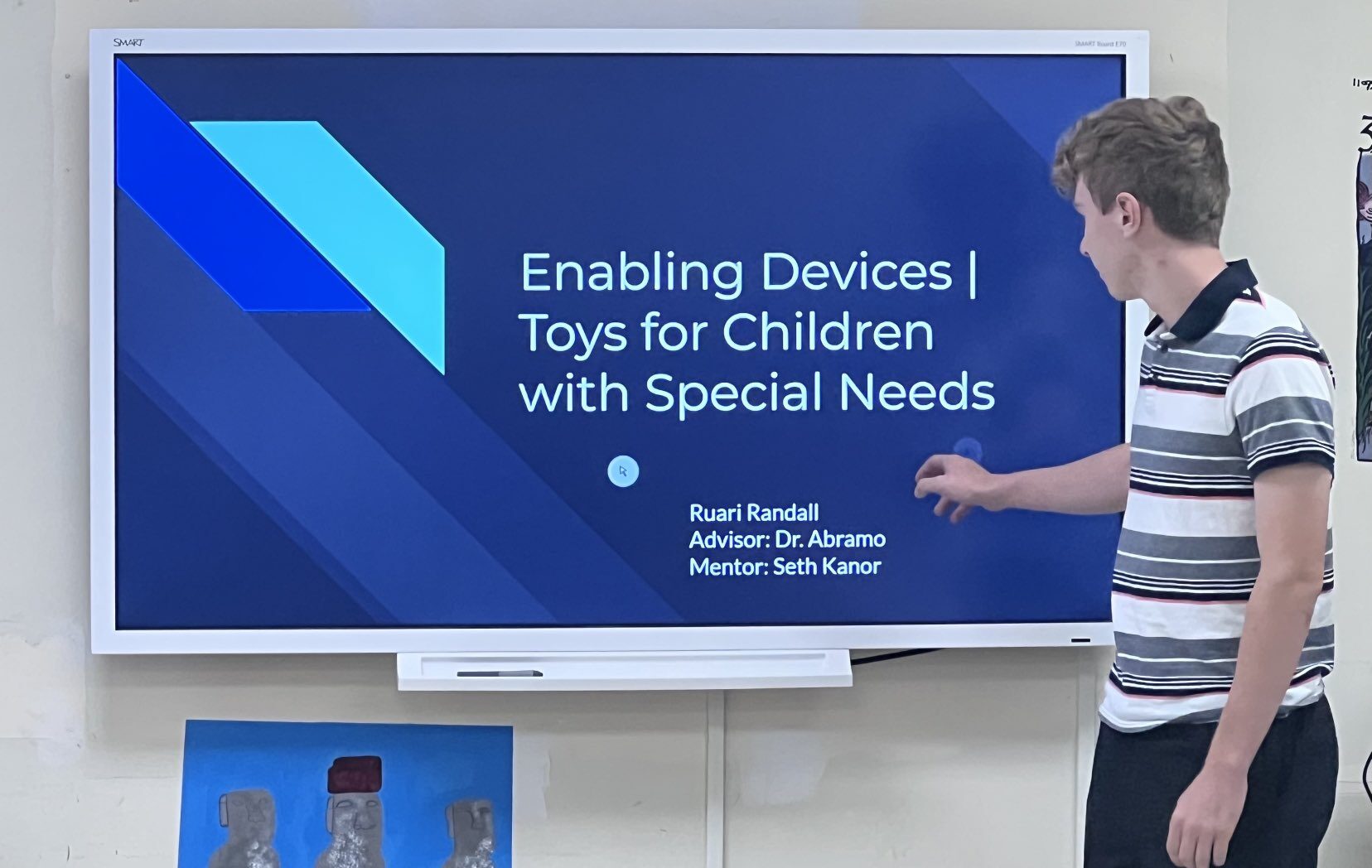
Our capstone project for our seniors, Opportunities for Professional Training In and Out of North Salem (O.P.T.I.O.N.S.), is a great example. Every student senior year has an internship in a career area or field that they want to go into. The first semester focuses on learning about how to be in a professional environment and the second semester involves actually participating in that internship to gain authentic experience. As part of the internship, mentors support students to identify a problem and design a solution to address the problem. They ultimately present their solution and learnings to the community in North Salem. That’s a part of the graduation requirement.
O.P.T.I.O.N.S. Presentations
The experience is all tied back to the Portrait of a Graduate. Students are able to self-assess how effective they were in their communication, if they demonstrated evidence of critical and creative thinking and citizenship. They also have the opportunity to reflect on if and how they are continuously improving as a learner. As a result of the experience, students are either reaffirmed about their interest in the selected field, or, just as valuably, they learn, “I don’t want to do this.”
What kinds of assessments do you do at other grade levels that relate to the Portrait of a Graduate?
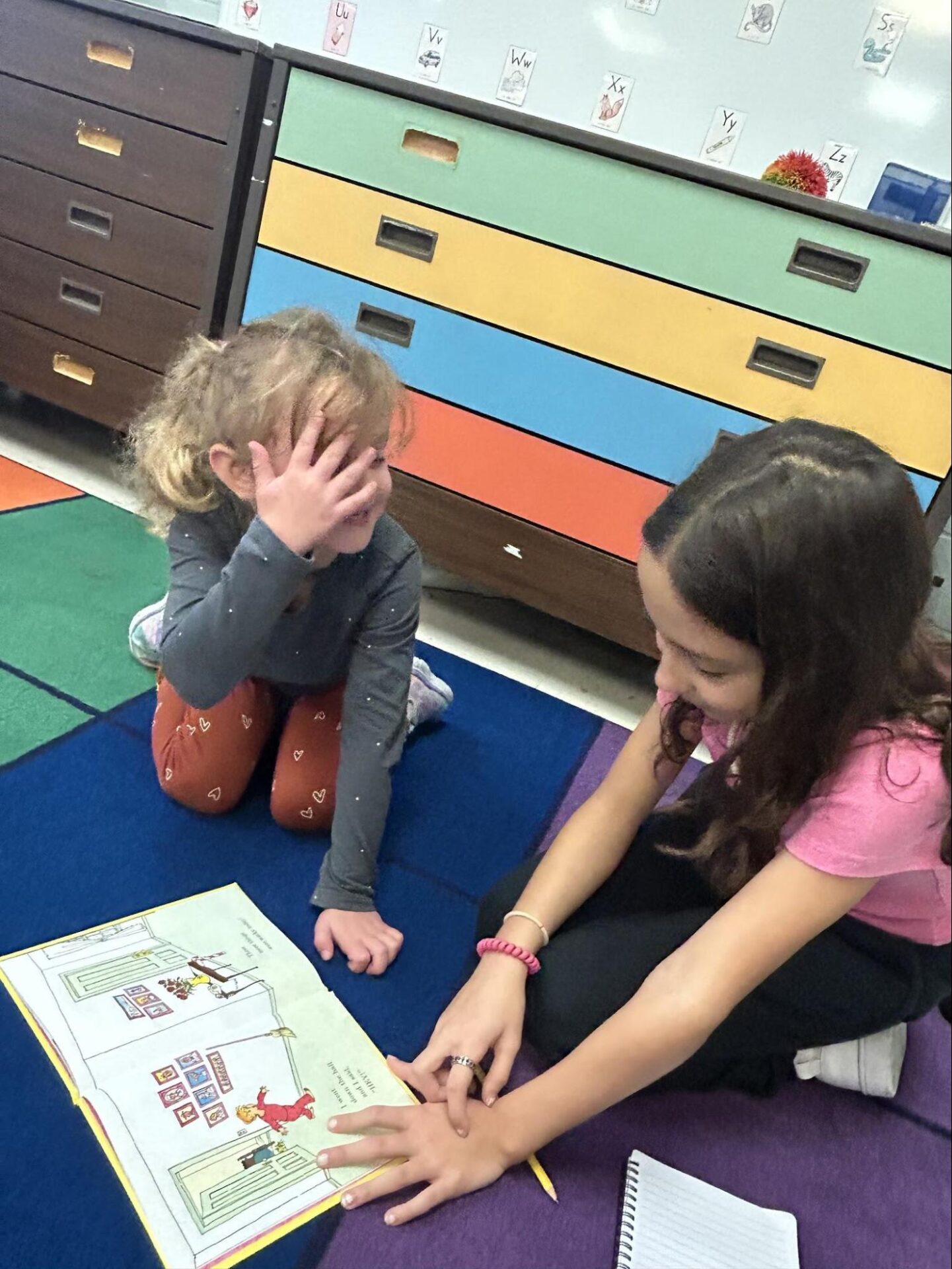
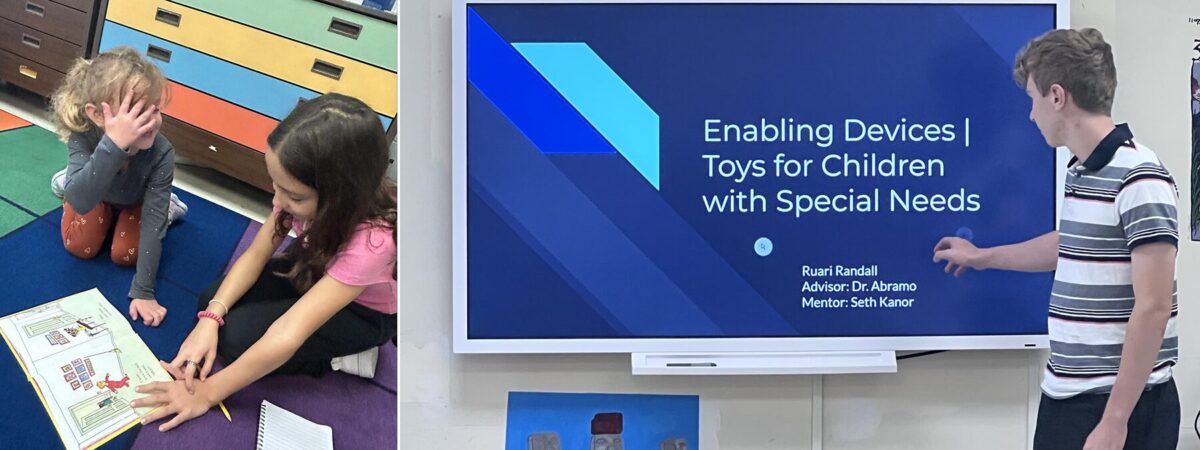
5th grade and Kindergarten capstone reading project
Last year we began a program at the elementary school. The fifth graders each partner with a kindergarten buddy and select a read-aloud to share with them that focuses on one of the subcomponents of the Portrait of a Graduate (e.g., the citizen component). After the readaloud, the fifth graders create a presentation on what that experience was like. The building principal has been reflecting with teachers on ways to integrate more academic components, like social studies or civics, into this program. The goal is to find a way to assess the Portrait of a Graduate competencies.
Based on the learning with the fifth grade capstone implementation, we hope to develop multiple performance-based assessments, including a similar project for our eighth graders to engage in. This way, living out the Portrait is more present throughout a student’s K-12 experience as an ongoing approach to learning and competency development, rather than just in senior year.
What would you say have been sort of some of the biggest challenges that you faced with implementing the Portrait of a Graduate program and how are you addressing these challenges?
Achieving buy-in and participation from all staff, specifically increasing the number and percentage of teachers that deeply understand the purpose of the Portrait of the Graduate and are able to make it their own, has been complex. We want teachers to understand that it’s more than aspirational. It is a huge shift in mindset to see this work as more than just the delivery of the content and the assessment of content learned. Having a broader mission and vision for what educating a child is has been the biggest challenge.
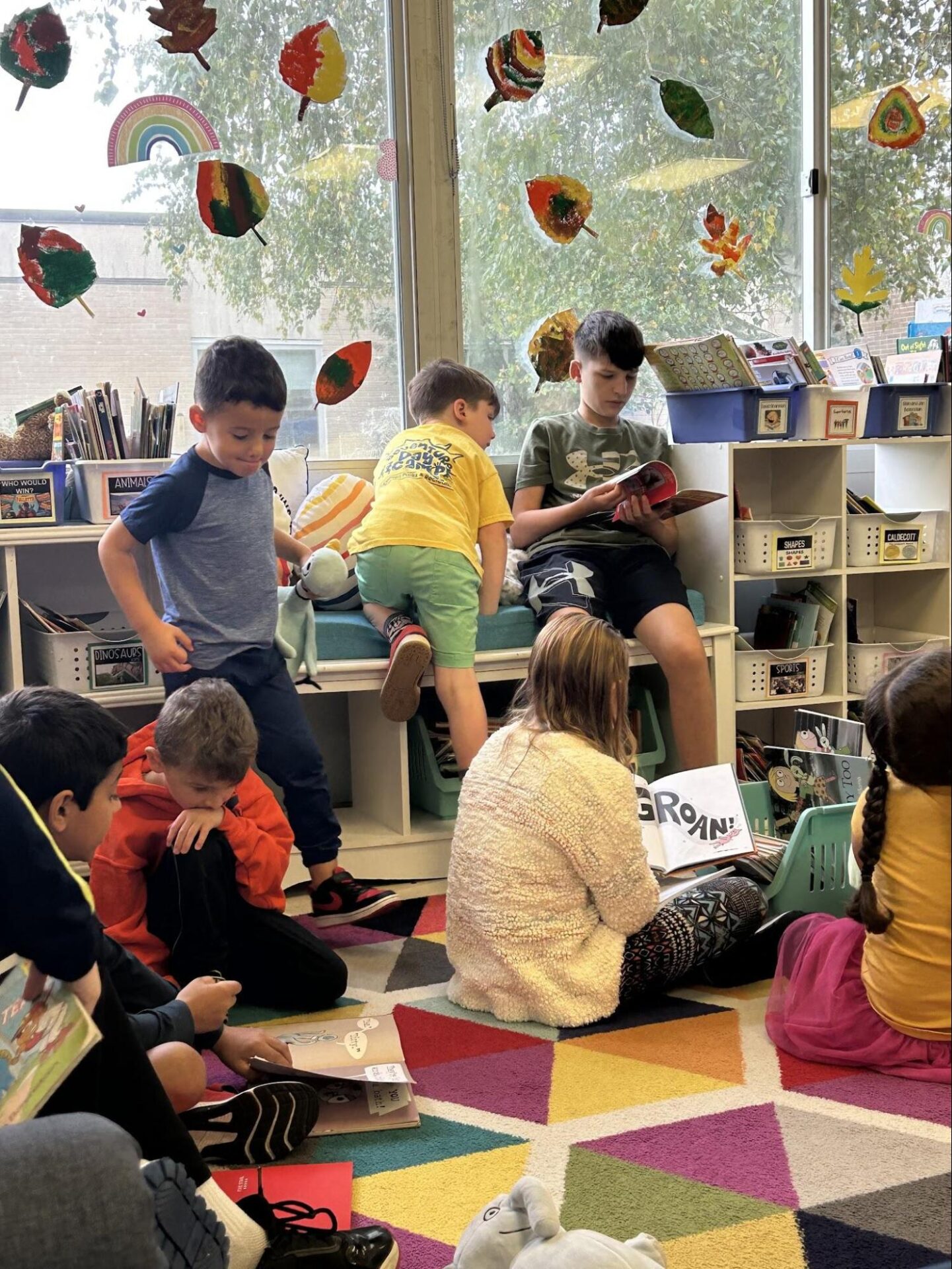
5th grade and Kindergarten capstone reading project
We created a Mission Committee of administrators and department and instructional leads to build shared understanding across the district. The committee focuses on aligning everyone—across district and building levels—on the common mission. We discuss what the district is hoping to achieve, how schools can contribute, and think about where we are building the time and the space for this visionary work.
While I’m still refining this approach, I would like to begin with the early adopters, because there’s always at least one per grade level or department. And then in years three and four, the approach will be to “bring a friend.” And then by years five and six, it’s everybody participating, and it becomes the expectation. There are simply too many kids that will be short changed if these practices aren’t included as part of their education. You can’t get them to the Portrait of a Graduate with pockets of practice.
Managing the people side of change is like being a good dance partner. You have to follow a little and lead other times. I’m finding it’s important to have much more faith in our teachers and administrators in terms of their belief in the work that we do. They do buy into it.
How was the community involved in the development of the portrait and how do you keep them engaged over time?
From the beginning, our district brought in the town of North Salem and some of the local businesses for discussion, and we conducted a broader survey asking what local businesses look for in employees. These early data points helped to formulate the characteristics that we ultimately landed on. But the process continued to validate itself time after time. We saw neighboring school districts develop portraits with related outcomes (critical and creative thinking, collaboration, communication, and maybe some variance with civic mindedness or citizenship). This alignment on essential components demonstrated a fit for our local community.
Every three years we have an evaluation by the Tri-State Consortium, which involves gathering additional feedback from the community via surveys. Most respondents are parents and engaged citizens.
What are some ways you collected data to support the work?
We have prioritized collecting survey data and conducting focus groups with our paraprofessionals and teaching assistants, our teachers, our parents, administrators, and our students. Now the bigger question is: what are we doing with the data? How is it validating what we’re doing or informing what we need to do next? And, how much are we willing to change in order to really be responsive to that data? One important insight from our data collection is the importance of acting on that feedback and making it known that the individuals who have contributed are heard or at the very least providing opportunities to circle back and have conversations on why and how we can modify our work or how it may not be possible or feasible to do so.
Anything else that you want to share with other districts around Portrait work?
I’ll reiterate that you have to make this work ubiquitous. It isn’t just an expectation for the students; it’s an expectation for everybody. District leaders should ask themselves, “What are the ways that you personally model the practices that you’re trying to embed with your students? In what ways do you incorporate Habits of Mind in your administrative meetings, in your board of ed. meetings, in your strategic plans, and in your communications with parents?” For example, in my personal practice, when our committee is analyzing student or teacher data, I’ll bring in a “3, 2, 1” or a “See. Think. Wonder.” routine. When we show that these protocols work for adults, we can inspire spread across the district to students.
Ready to bring your Portrait to life?

