

At its core, YC4S envisions a generation of youth empowered to create innovative solutions to pressing societal and environmental challenges. To achieve this, it prepares students to apply science, technology, engineering, and mathematics in real-world contexts — turning theoretical knowledge into practical action.
The program advocates for STEM education to be lifelong and dynamic—a journey that begins in school and extends into the world. Students connect what they see and hear in the community to their science and math learning by treating local realities, not as examples, but as starting points for genuine inquiry. When they encounter environmental issues, public health, concerns or everyday community practices, these observations become opportunities to ask scientific questions, gather data and apply mathematical reasoning. Through hands-on projects, mentorship, and collaboration with local and international experts, students learn that sustainability is not a concept but a practice that requires creativity, resilience, and collective effort.
Every YC4S project aims to bridge knowledge and action. Students design initiatives that address environmental challenges while engaging local citizens, proving that the pursuit of sustainability can unite people across generations and professions.
#Plastic4change addresses one of the Philippines’ most urgent environmental issues: plastic waste. Students developed a sustainable plastic injection molding process that converts discarded plastics into math educational manipulatives. This initiative not only reduces waste but also promotes responsible consumption and production. It also tackles challenges in basic mathematics education. One of the most inspiring components of this specific program theme is the StoryMath initiative, a 2025 Ciena Solutions Challenge Sustainability Awardee, where students use mathematical storytelling and digital media to communicate environmental issues. By blending creativity and computation, StoryMath nurtures both the analytical and artistic intelligence of learners, demonstrating how science and empathy can co-exist in powerful harmony.
With support from a Sustainability Award through the Ciena Solutions Challenge, the team has begun early-stage prototyping of math manipulatives made from recycled plastic, allowing students to test durability, safety, and design while actively participating in the recycling and fabrication process. Funding has also enabled initial exploration of digital platforms to support StoryMath’s next phase, laying the groundwork for interactive and AI-supported learning experiences that will accelerate the program’s full rollout in the months ahead.
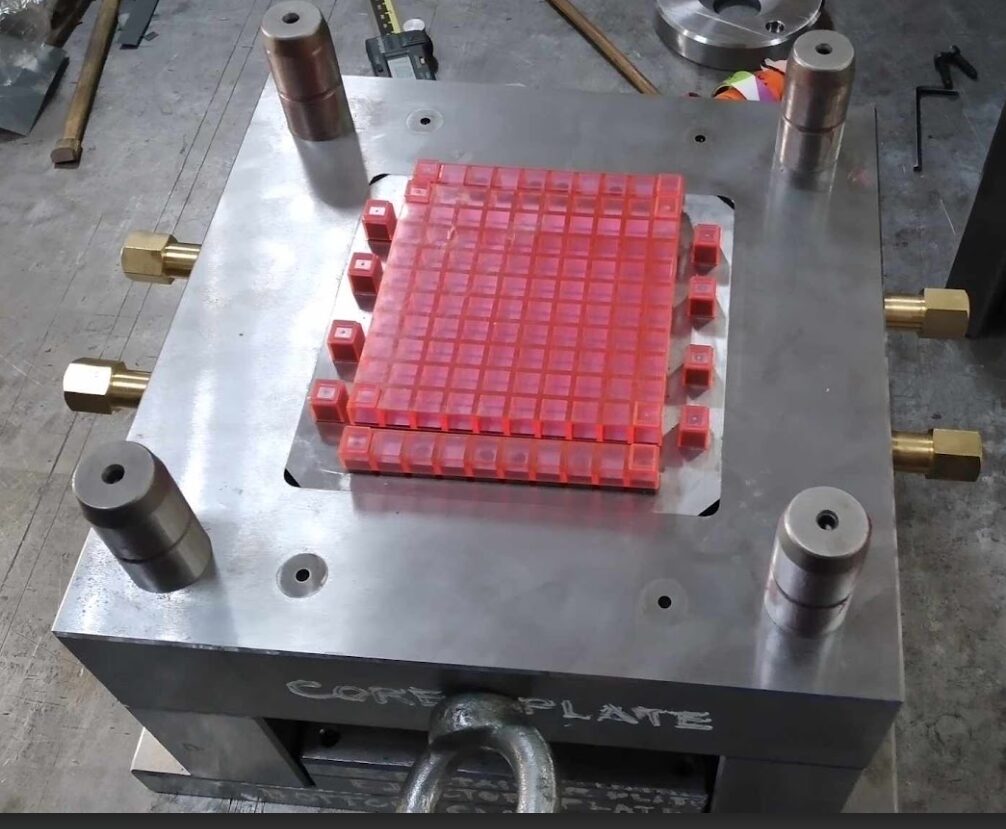
Early-stage prototyping of math manipulatives made from recycled plastic for StoryMath Project.
“STEM becomes meaningful when it touches lives…science is not just about formulas, it’s about people and the planet.” – Zia Mammah, student and leader of #plastic4change program.
Another initiative is #foodsECurity, in which students combat food waste and malnutrition through science. Students discovered a way to accelerate the composting process from three months to just 15 days using enzymatic composting technology. What began as a local waste management project soon grew into an internationally recognized model adopted by other schools in Southeast Asia and shared with environmental advocates in British Columbia and Vancouver, Canada. The project empowers several local farmers, promotes carbon farming, and fosters a culture of “zero waste,” reminding communities that “everyone’s trash is everyone’s treasure.”
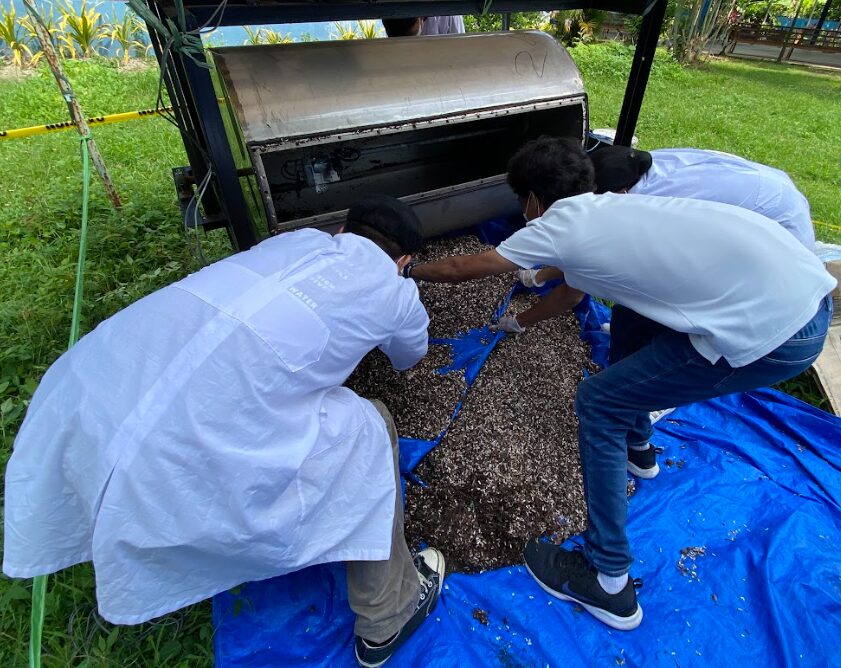
Students work hands-on with an enzymatic composting system as part of the #foodsECurity initiative.
“YC4S is a way for us to prove that science and compassion can work together to make life better, not just for us, but for everyone.” – Justin D., a grade 12 student and one of the leaders of the #foodsECurity program”
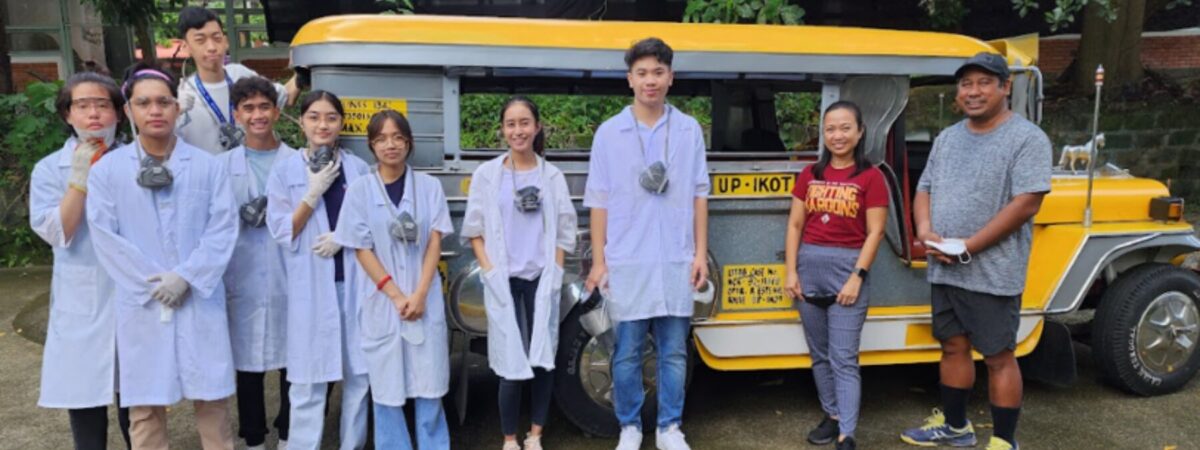
#CleanAIRforALL focuses on air quality and the preservation of the Philippine jeepney, a beloved symbol of Filipino culture.
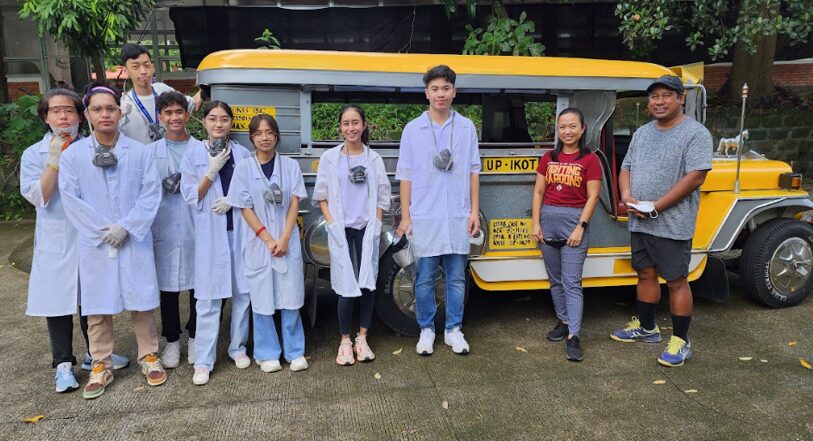
Students and community partners stand beside a Philippine jeepney as part of the #cleanAIRforALL initiative.
Students explore ways to reduce emissions and design eco-friendly transport solutions, balancing cultural preservation with technological innovation. This initiative highlights that sustainability is not only about protecting the environment but also about valuing identity, heritage, and community well-being.
Through projects like these, students begin to see that science and math are not abstract disciplines confined to textbooks. They are tools for understanding their environment, interpreting the interconnectedness of community challenges, and contributing solutions that matter. In many ways, community. engagement becomes the bridge that deepens their academic understanding, while cultivating agency, empathy, and a sense of responsibility for the world they live in.
Through the program, learners acquire basic coding and digital skills, using technology to enhance their projects and amplify their messages online. YC4S leverages social media to raise environmental awareness, promote advocacy campaigns, and inspire others to act. This digital dimension helps young people become globally connected problem-solvers who are creative, tech-savvy, and socially responsible.
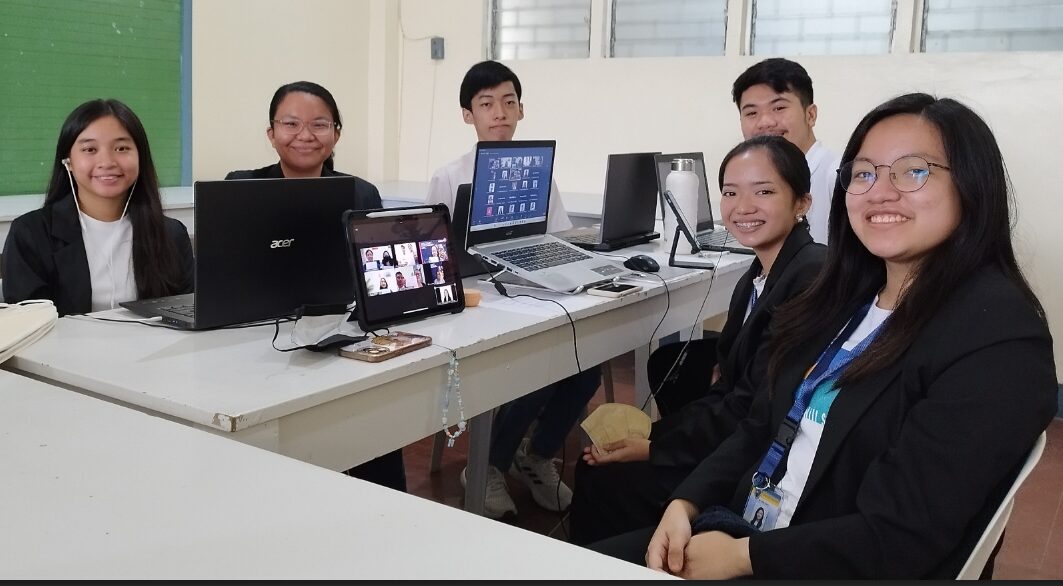
Students collaborate using digital tools and social media as part of the YC4S program.
The outcomes are striking. Students gain not only scientific knowledge but also confidence, empathy, and a sense of agency. They begin to see themselves as part of a larger community of youth working collectively to protect the planet and uplift others. Many South Hill students have gone on to lead youth councils, present at international forums, and develop social enterprises rooted in sustainability.
“From recycled plastics to clean air, from composting waste to cultivating kindness, the students at South Hill School are proving that youth empowerment, when guided by STEM and compassion, can create lasting impact.” – Elle Matanguihan, School Administrator

