

When students in Indonesia saw the dangers that flooding posed to homes in their community, they designed a system that automatically cuts electricity when floodwaters rise, helping prevent electrical accidents. In Taiwan, students developed a robotic device to remove trash from local waterways. Young people in Brazil created student-led spaces to strengthen belonging and well-being at school. In Bosnia and Herzegovina, students explored how agricultural waste from vineyards could be transformed into clean energy.
These projects span continents, cultures, and contexts, but they all began the same way: with students paying attention to the world around them and asking, “What if we could make this better?”
Over the past six years, the Ciena Solutions Challenge has connected educators and students around the world through Challenge Based Learning focused on solving real community challenges. Along the way, we’ve been continually inspired not just by the solutions that students create, but by what happens when learning begins with authentic challenges that matter to them.
Here are a few of our takeaways:
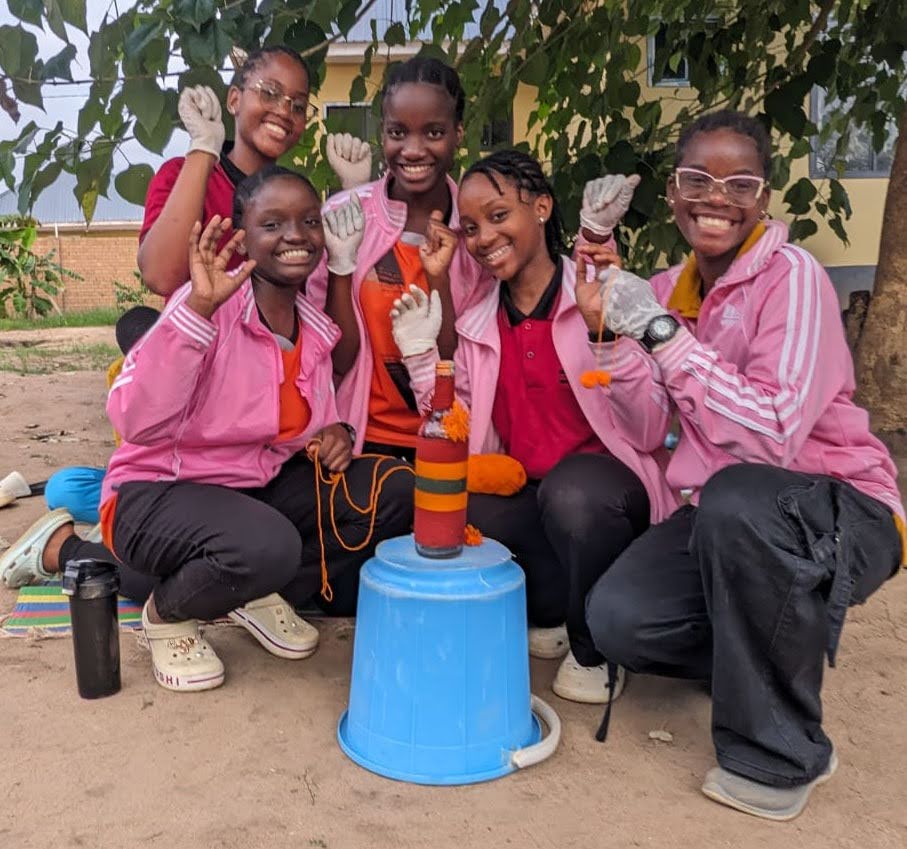
Circular Economy Innovations project team in Tanzania.
Every Ciena Solutions Challenge project begins with a question. How might we reduce waste in our community? Why are some people more affected by flooding than others? What would make our school feel more welcoming?
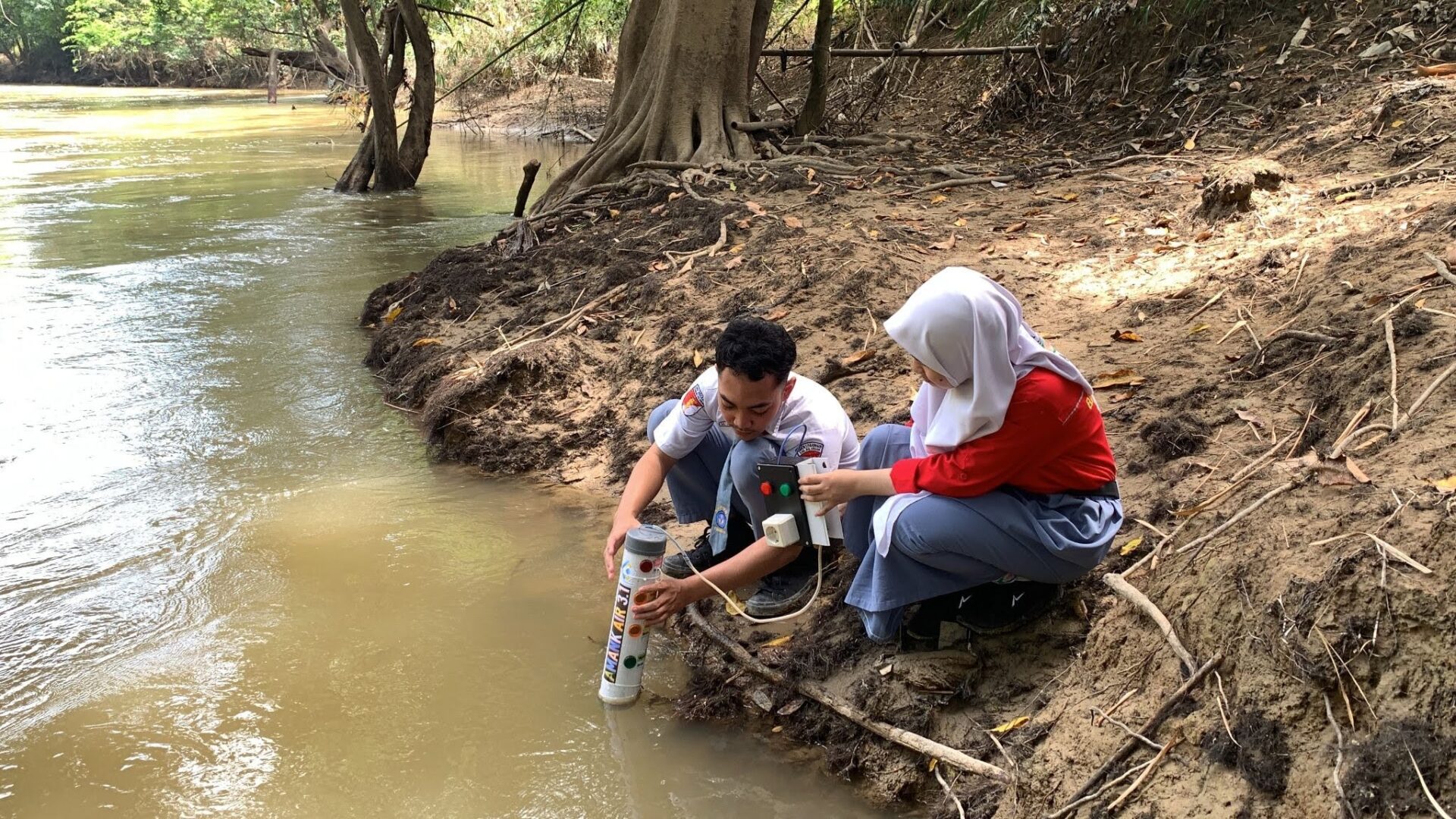
FLOWSAFE—Flood Water-Triggered Safety System for Electricity project team in Indonesia.
When students have the opportunity to investigate issues they genuinely care about, curiosity becomes the engine for learning. Research is no longer just an assignment;it’s a way to better understand a community issue they care about and uncover opportunities for positive change.
Innovation isn’t defined by the sophistication of the tools. It’s defined by the originality of the thinking. Over the years, we’ve seen students build prototypes from recycled materials; create community awareness campaigns; interview local experts; collect data; design digital tools; produce podcasts and videos; and use coding, robotics, AI, and engineering to share ideas and solve challenges.
What matters isn’t how advanced the technology is, but how thoughtfully it’s used to understand a problem and create a solution.
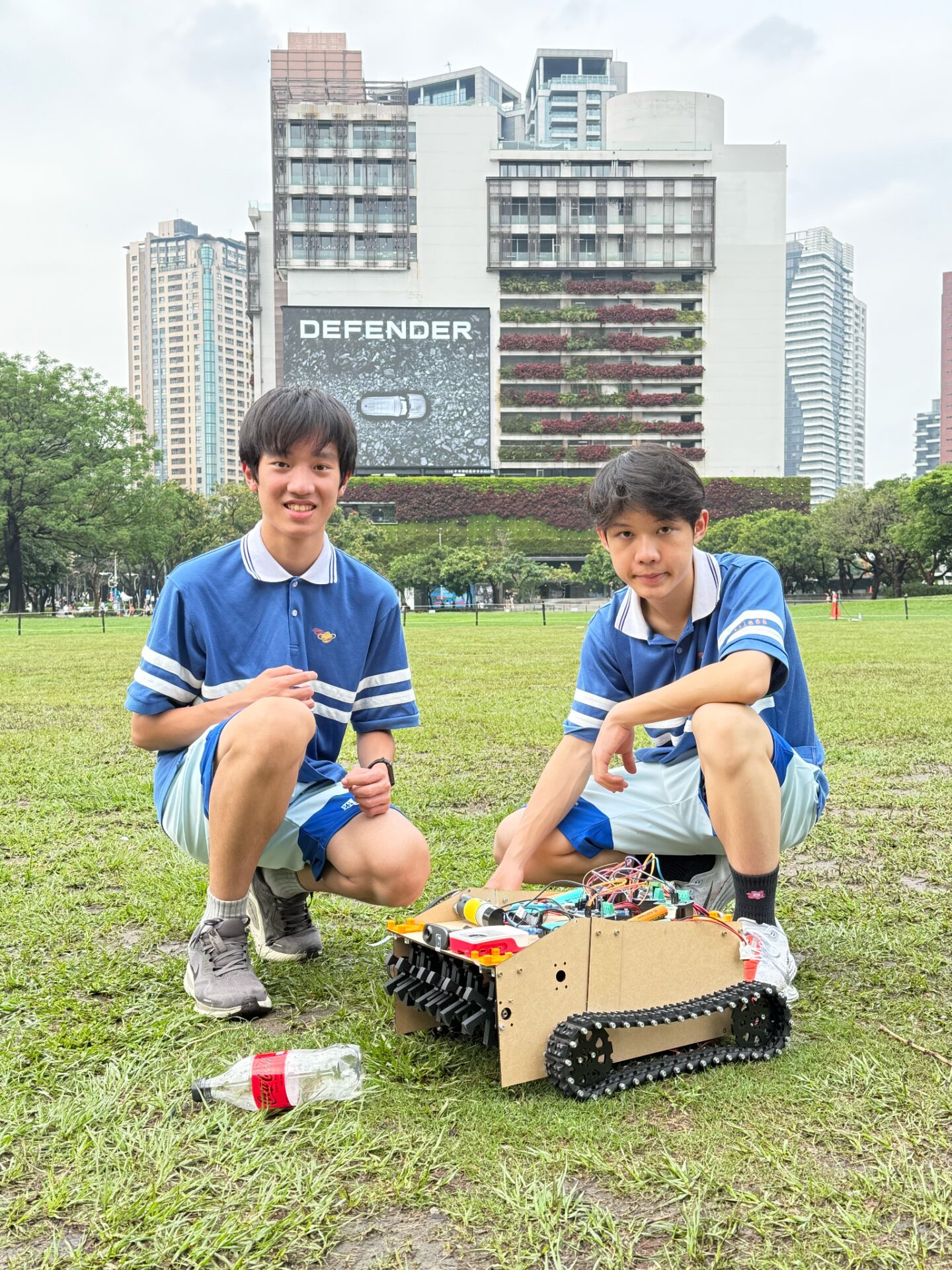
Formosa 2: AI, Solar-Powered, Trash-Cleaning Robot project team in Taiwan.
When learning is connected to students’ own communities, school begins to feel different. Instead of asking, “Why do we need to learn this?” students begin asking, “How can we use what we’re learning to help?”
Whether addressing food insecurity, preserving local history, improving environmental sustainability, promoting health, or strengthening inclusion, students see firsthand that the knowledge and skills they develop in school have real-world relevance.
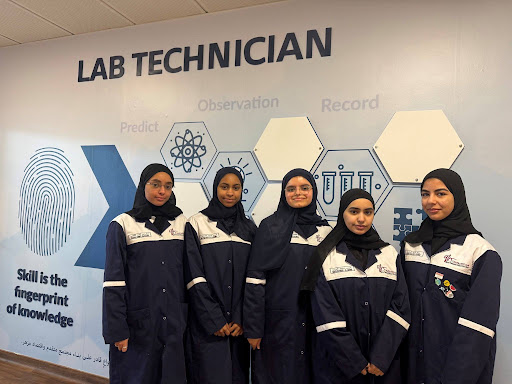
Sustainable Smart School Model & Eco Smart Platform project team in Qatar.
Authentic problem solving isn’t always easy. Projects rarely work perfectly the first time. Prototypes fail. Interviews reveal unexpected complexities. Teams revise their ideas again and again. But, when students are working on problems they care deeply about, they keep going.
We’ve seen students spend weekends refining prototypes, return repeatedly to test new ideas, seek feedback from community members, and adapt their solutions based on what they’ve learned.
Having a sense of purpose gives students a reason to persist through challenges that could otherwise feel discouraging. In the process, they develop confidence, resilience, and the belief that their efforts can make a difference.
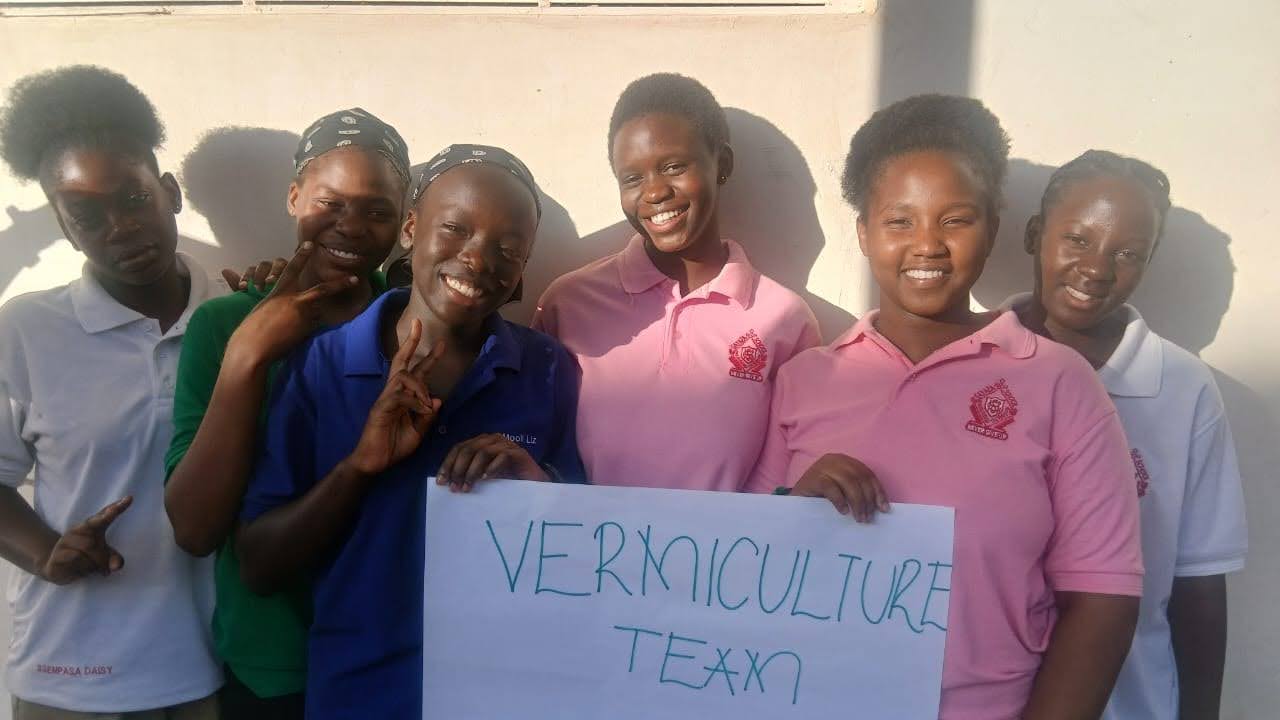
Waste to Worth: Feeding Minds, Healing the Earth project team in Uganda
Perhaps our biggest takeaway is that when young people are trusted with meaningful work, they continually surpass expectations and go beyond what teachers thought possible. Over the past six years, we’ve watched students grow into researchers, designers, engineers, storytellers, and advocates as they tackled challenges that mattered to them.
Whether developing technologies that improve public safety, finding new uses for agricultural waste, protecting local waterways, or strengthening school communities, students have shown what’s possible when they have the opportunity to turn their ideas into action.
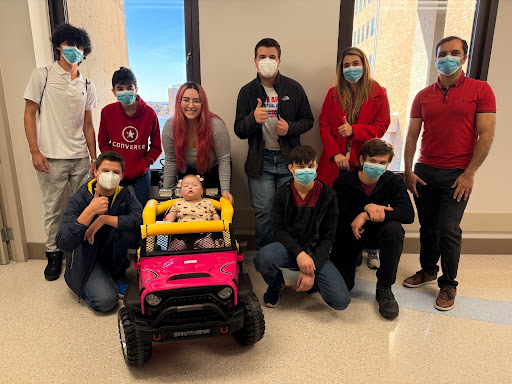
Ride Without Limits project team in the United States.
Today, we’re excited to open submissions for the 2026-27 Ciena Solutions Challenge. We invite educators working with middle and high school learners around the world to engage students in identifying a challenge they care about, investigating its causes, and designing a solution that can make a positive difference in their community. If your students are curious about the world around them and ready to take action, we’d love to see what they create.

