
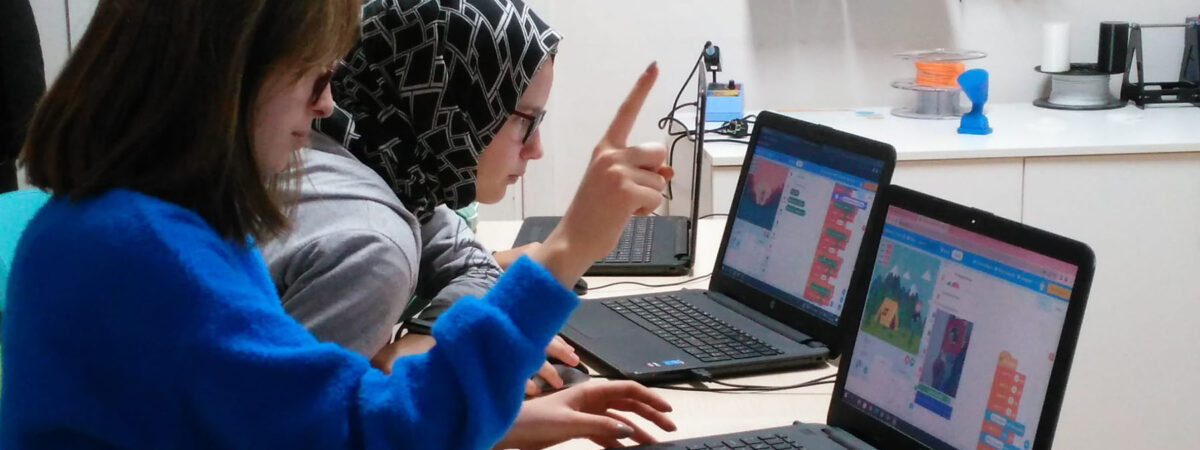


Spend five minutes scrolling through social media or reading contemporary commentary, and you will likely encounter a familiar complaint: today’s high school students are irresponsible, disconnected, and lacking empathy. Cocooned in their digital worlds, they are often viewed as passive consumers of screens, indifferent to the real challenges of the world around them.
As an Information Technology educator at Kütahya Science and Art Center (BİLSEM) in Kütahya, Turkey, I see a completely different reality every day. The problem is not the generation, nor is it the technology they hold in their hands. The issue lies in how we, as educators, scaffold their potential. When we bridge advanced technology with human-centered purpose, a remarkable transformation happens: “screen-time consumers” become deeply empathetic, accountability-driven leaders.
When our student team first entered the Ciena Solutions Challenge, our ultimate goal was to design sustainable, real-world solutions using Artificial Intelligence. However, as we initiated the project, I realized that the primary barrier was not technical. My students did not struggle with coding logic or understanding algorithmic structures. The real hurdle was pedagogical: it was a lack of emotional proximity to global sustainability issues.
Sitting in a comfortable classroom, global climate issues or community challenges felt abstract to them. To bridge this gap, we transformed our design process step by step:
Through these steps, students stopped viewing digital tools as just “cool software” and began seeing them as instruments for social good. We forced ourselves to look beyond the glowing screen and see the human face behind the data.
“When we started looking at data as real human stories rather than just project criteria, everything changed for us. We were no longer coding for a score; we were coding for people.” – Ceylin B., High School Student Team Member, Kütahya BİLSEM
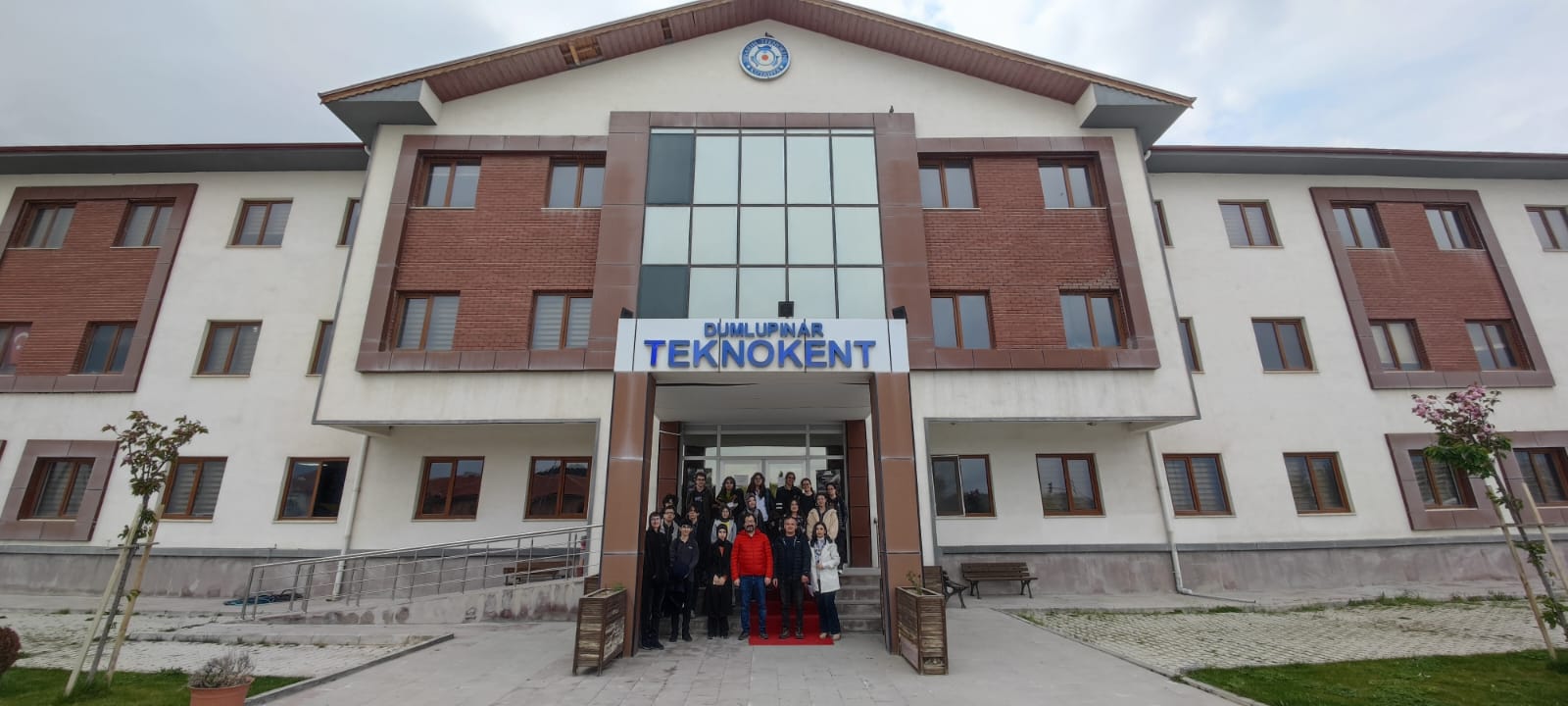
Students from Kütahya BİLSEM visited Dumlupınar University Technopark
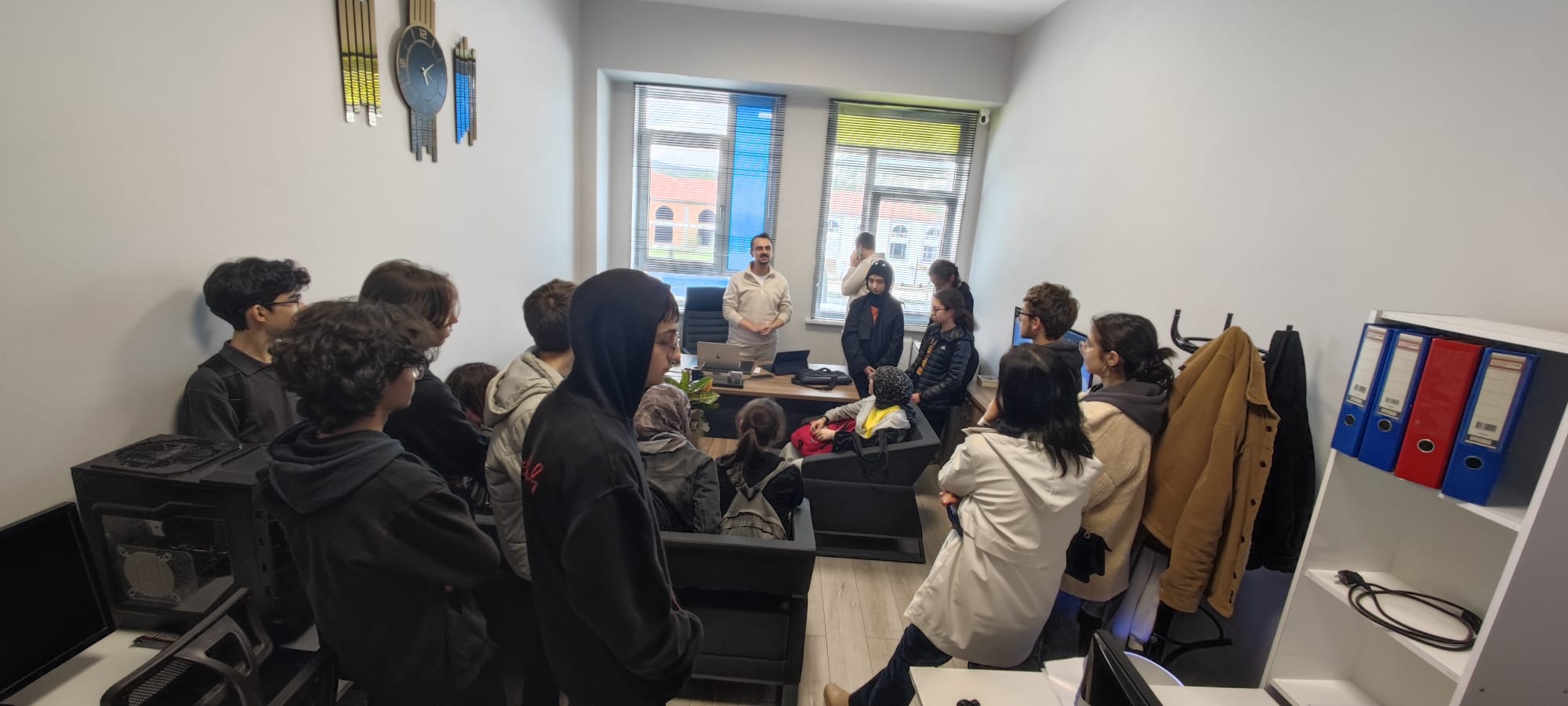
Kütahya BİLSEM students discussing real-world innovation processes with tech firm representatives during their visit to Dumlupınar University Technopark.
The true “aha! moment” in our classroom occurred when the pedagogical framework shifted from strict teacher-led instruction to student autonomy. From my observations, high school students are at a developmental crossroads where they desperately want to be taken seriously.
I decided to treat them not as kids doing a school assignment, but as adult researchers and developers. I handed over the steering wheel. We integrated AI-based interactive learning models and object recognition tools, allowing the students to lead the troubleshooting.
Once they realized that I trusted their judgment completely, an incredible sense of accountability kicked in. They stopped asking, “Teacher, is this good enough for a grade?” and started asking, “Will this actually help someone understand sustainability?” They took initiative, spent extra hours refining their interactive models in PictoBlox, and took ownership of their mistakes. Their victory in winning the Sustainability Award was merely a byproduct of a much deeper victory: they had learned to care.
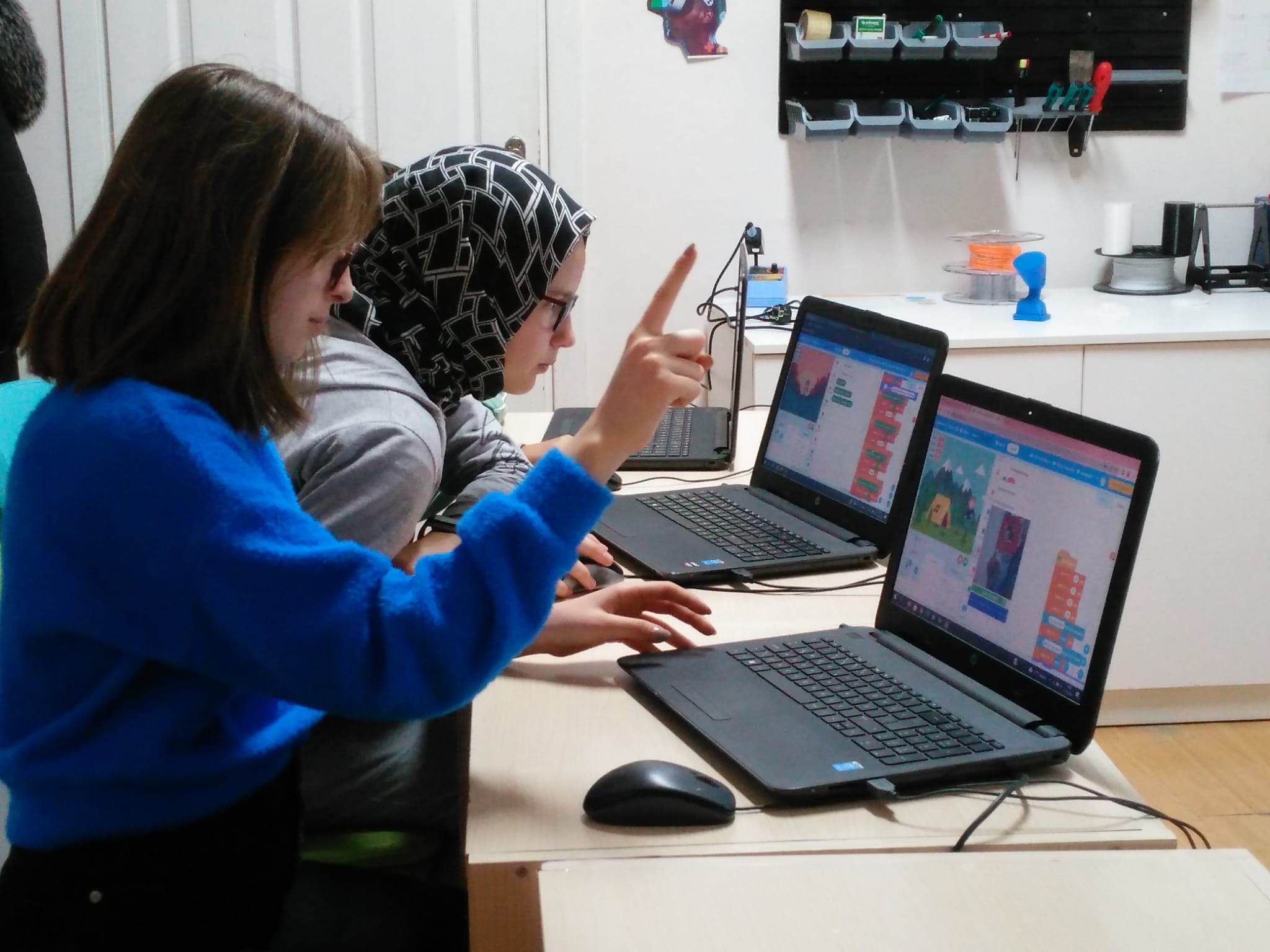
The student team testing their AI-based interactive models in PictoBlox.
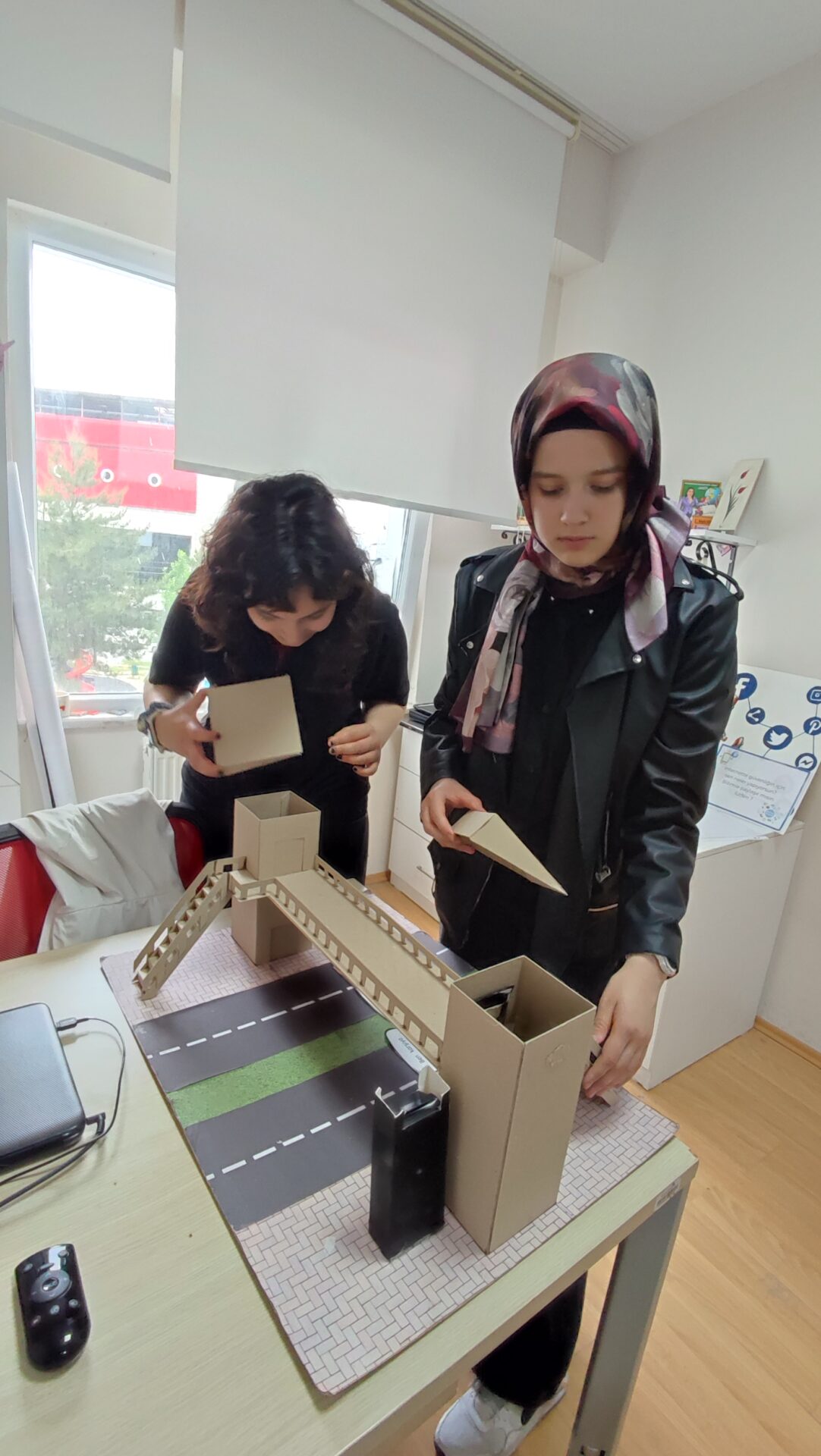
The student team preparing their AI-based interactive prototype model (Smart Elevator Access Project, Ciena Solutions Challenge Sustainability Award Winner).
For colleagues around the world looking to foster global citizenship and responsibility through technology in their own high school classrooms, I offer three practical strategies learned from our journey:
1. Humanize data through observation: Never start a tech project with software manuals. Have students observe their local environment first and connect sustainable development goals to real human stories.
“Observation is a crucial first step because without it technology becomes just a coding exercise rather than a meaningful solution to a real world problem. When students jump straight into designing a solution, they tend to build it based on assumptions. However, when they pause to observe their surroundings first, they realize that problems are multi-dimensional and that behind every data point lies real human experience.”
2. Step outside the classroom: Connect students with local technoparks or innovation centers. Expose them to real industry to broaden their horizons.
“In a traditional classroom students often fear making mistakes and believe they need to write flawless code on their first attempts. However, seeing firsthand that professional engineers also failed multiple times and continuously refine their models was a huge eye-opener.”
3. Give radical autonomy: Step back. Let students make design flaws in their AI models or coding logic. When they fix a system they own, they build true creative confidence.
“As a teacher, the impulse to step in and take control, especially when time is short or when students hit a wall, is a very strong reflex. You instinctively want to reach for the keyboard and fix it yourself. However, to resist that urge, I constantly reminded myself of one principle. Every problem I solve for them is a learning opportunity stolen from them.”
Our experience with the Ciena Solutions Challenge proves that Gen Z and Gen Alpha possess a tremendous, untapped capacity for global responsibility. They are not disconnected; they are waiting to be plugged into causes that matter. As educators, our job is to provide the scaffolding of trust and empathy, ensuring that as our students build the intelligent systems of tomorrow, they do so with profoundly human hearts.

