

The YouthMADE Festival is a global celebration of youth creativity and innovation that invites students, educators, and advocates to showcase youth-led work. Leading up to the 2027 YouthMADE Festival, we are sharing a series of stories highlighting youth creators and changemakers around the world who are putting their hands, hearts, and minds toward projects and causes they care about.
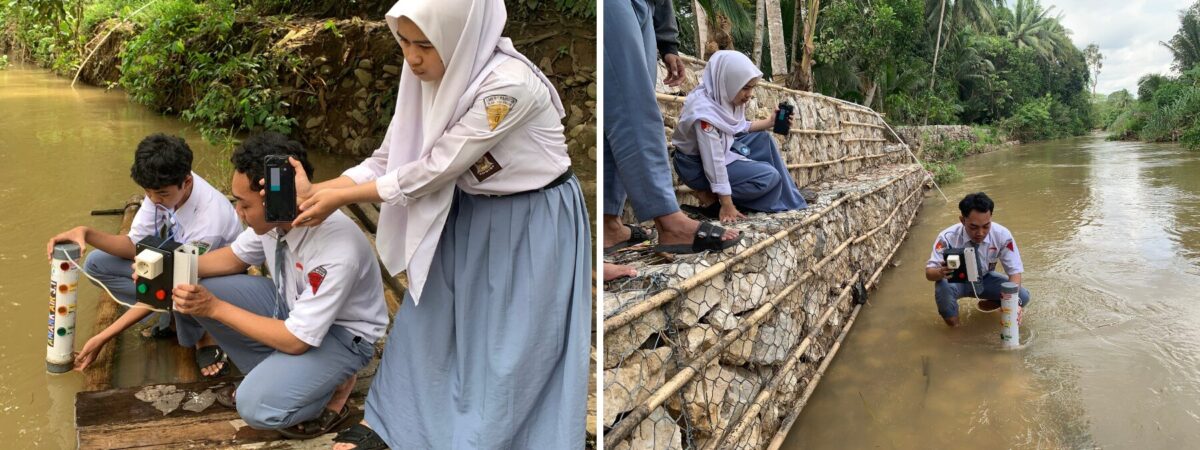
In this story, high school student Mohammed A. writes about the FlowSafe project he created with peers Mohammed R. and Novi N. FlowSafe is an Internet of Things (IoT)-based flood monitoring system that provides real-time water level monitoring to help improve public safety during floods. Their project received a 2026 Ciena Solutions Challenge Sustainability Award.
Every rainy season, flooding becomes part of daily life in Balangan Regency, South Kalimantan, Indonesia. Last December alone, Balangan Regency experienced severe flooding that affected around 10,949 people and inundated 3,511 homes across 27 villages in seven districts.
While many people focus on rising water levels, my peers and I noticed another danger that often goes unnoticed: electricity. Homes remain connected to the power supply even after floodwater enters the building, creating a serious risk of electric shock, short circuits, fires, and damage to valuable household appliances.
As students from SMKN 1 Paringin and members of Light Community21, we wanted to find a practical solution that could help protect our community. Rather than waiting for someone else to solve the problem, we challenged ourselves with one question: How can flood-level monitoring automatically protect household electrical systems before an accident happens?
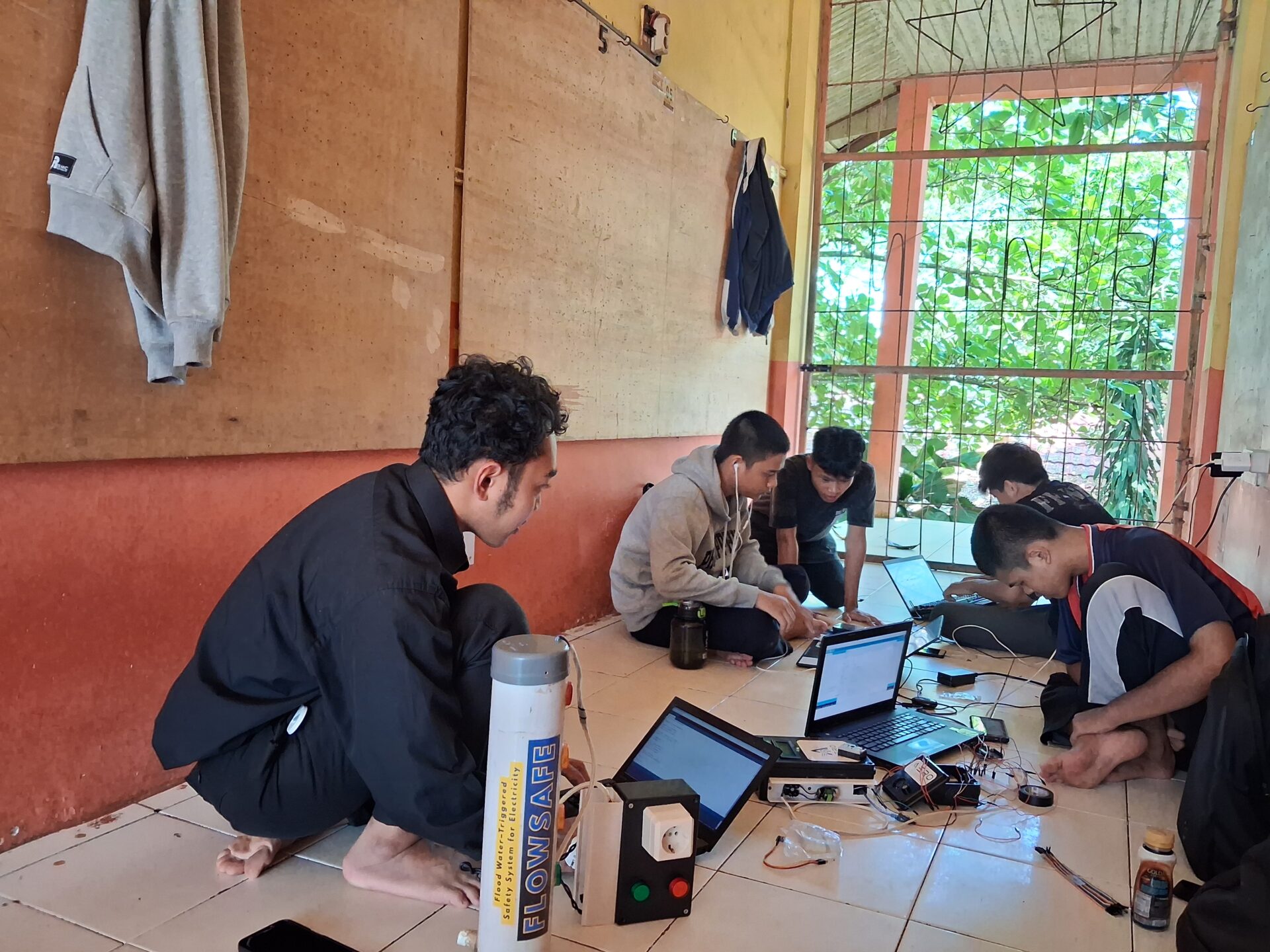
The process of creating the FlowSafe system.
At the beginning, FlowSafe was designed to monitor water levels locally using an LCD display and automatically cut off electrical power through a relay when the water reached a dangerous level. Today, the project has evolved into an Internet of Things (IoT)-based system that can transmit real-time water level data remotely, allowing users to monitor flood conditions anytime and anywhere while improving community safety.
Through this project, we developed a wide range of technical skills, including designing and building electronic systems, integrating programming with Internet of Things (IoT)-based solutions, and testing, evaluating, and continuously improving system performance.
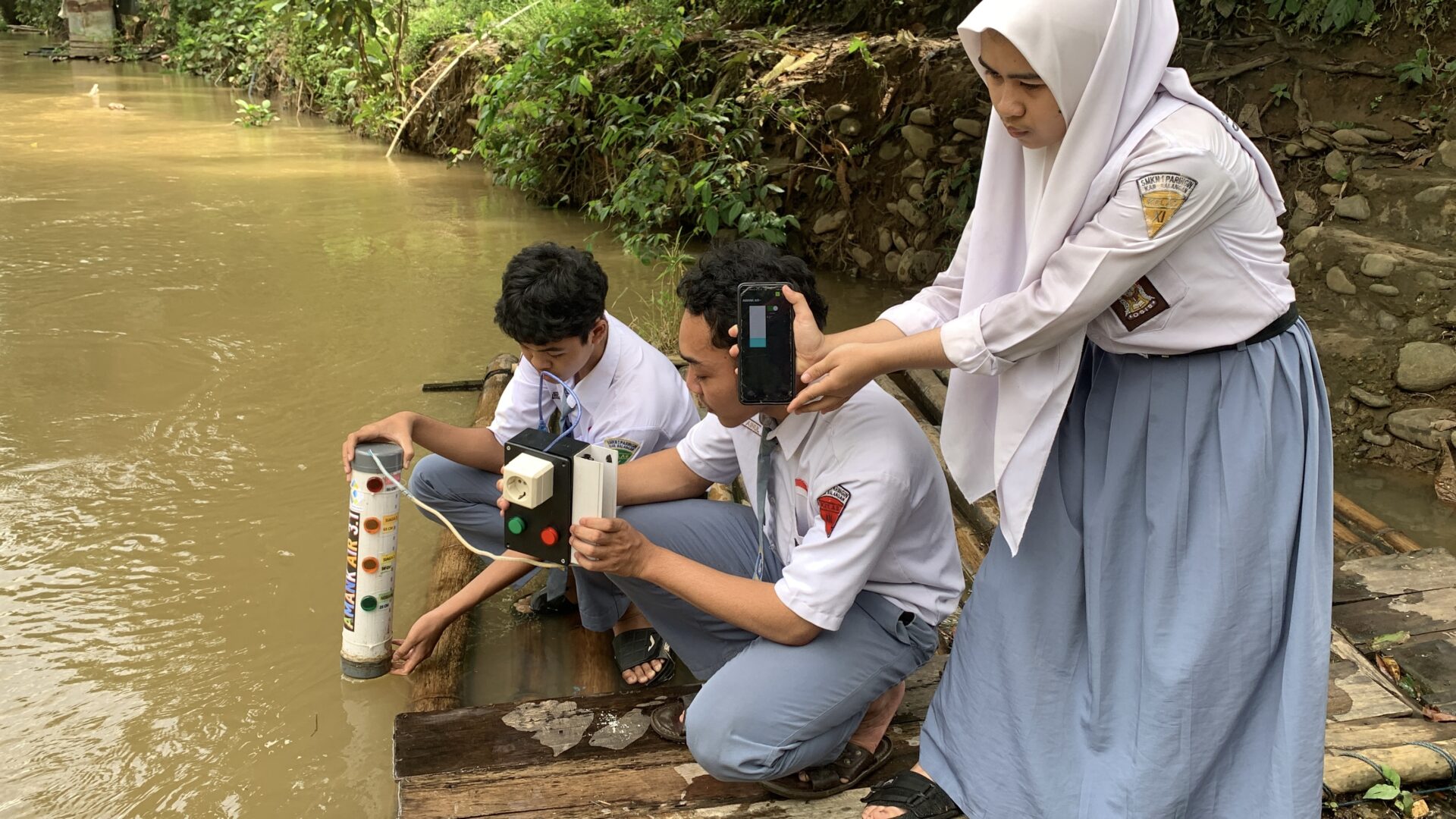
Testing the FlowSafe and IoT systems.
One of the biggest milestones in our development process was successfully building the first working prototype that performed all of its intended functions. This achievement gave us the confidence to continue improving the system and adding more advanced features.
We conducted 30 repeated tests to evaluate the system’s accuracy and responsiveness. These tests helped us identify weaknesses in the prototype and make improvements to increase its accuracy, reliability, and overall performance. We also used feedback from our mentors, teachers, and team members to refine both the design and functionality of the project.
My role in the project is software development, including coding the system, and leading the implementation process. One challenge was my own limited programming skills and the community’s low awareness of electrical hazards. To overcome these challenges, I improved my coding skills and designed this device to be simple and easy to understand, helping people become more aware of electrical safety during floods.
One of the biggest surprises was realizing that effective communication is just as important as technical skills. While interviewing local residents, we learned that understanding users’ needs and listening to their experiences are essential for creating solutions that truly make a difference.
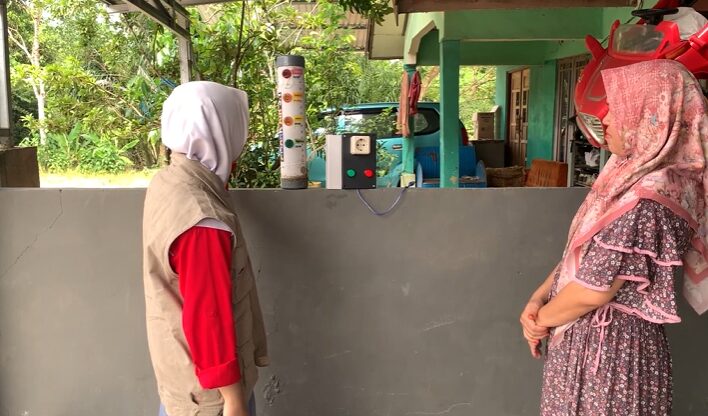
Explaining to the community how FlowSafe works.
FlowSafe reflects Powerful Learning because it started with a real problem in our community: limited awareness of the dangers of electrical shock during floods and the lack of real-time flood monitoring. To address this challenge, we independently learned about sensor technology and the Internet of Things (IoT), designed a solution based on community needs, and continuously improved it through testing and evaluation. This journey taught us to take initiative, stay curious, collaborate effectively, and create solutions that make a meaningful impact on people’s lives.
I believe these skills are essential because they enable students to turn real-world problems into meaningful solutions. Although artificial intelligence (AI) is becoming increasingly helpful, identifying problems within a community still requires human observation, critical thinking, and empathy. In our project, critical thinking helped us recognize that floods are not only dangerous because of rising water, but also because electricity often remains active. Creativity then inspired us to go beyond simple water-level monitoring by designing a system that also disconnects electrical power automatically when water reaches a dangerous level.
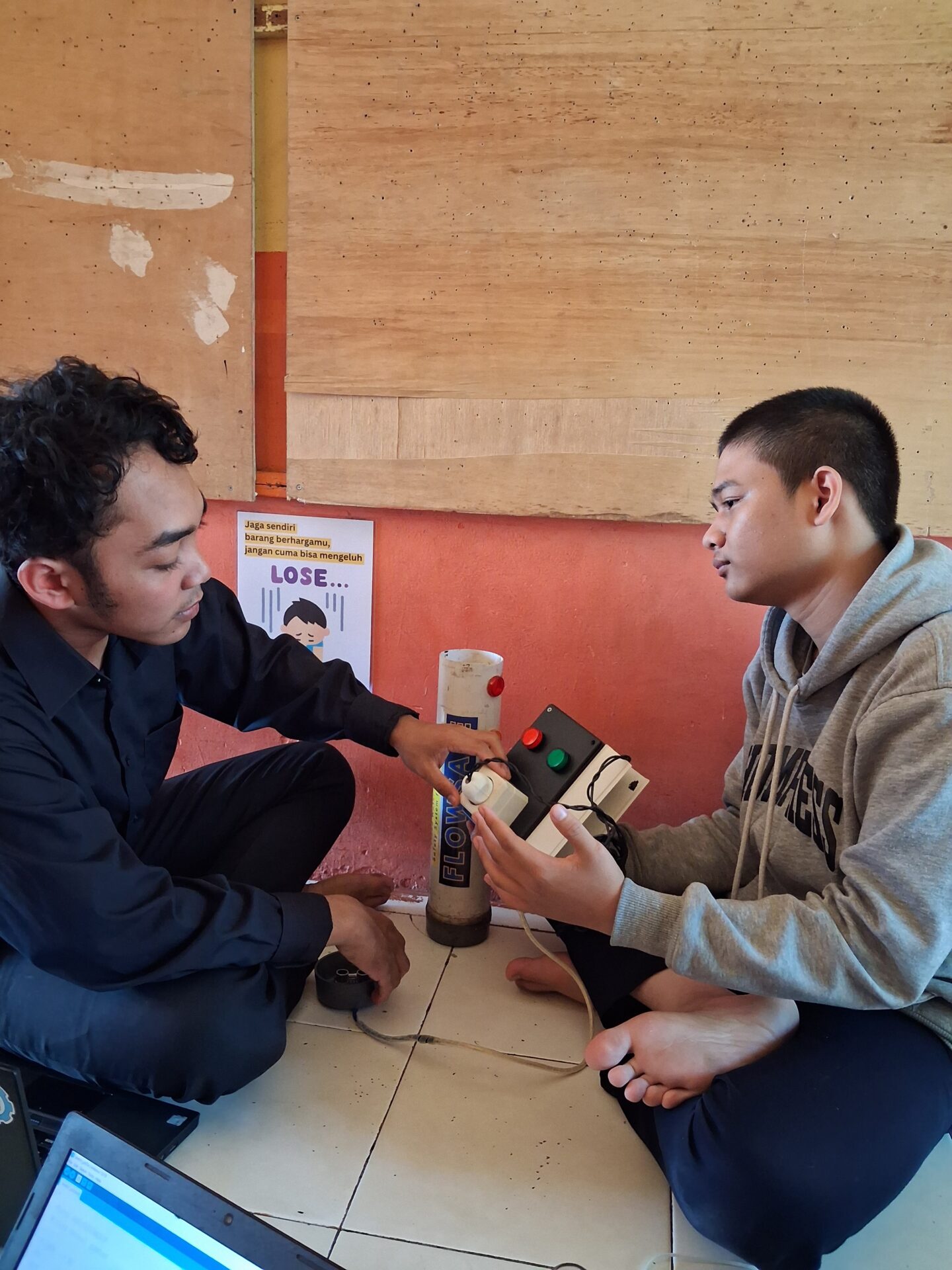
Evaluating the device to improve its performance.
I hope FlowSafe can be developed on a larger scale and implemented in more flood-prone communities. Ultimately, I want the project to make a meaningful contribution to public safety by reducing flood-related risks and protecting more people’s lives.

