

As educators, we’ve learned that the true strength of education lies in collaboration. It’s not just a helpful tool; it’s the very foundation of impactful teaching and meaningful learning. Collaboration empowers us to move beyond the boundaries of our individual classrooms and tap into a shared well of knowledge, creativity, and support.
When educators collaborate, we exchange more than lesson plans or strategies; we exchange perspectives, experiences, and solutions. We learn from each other’s successes and challenges, and in doing so, we grow both personally and professionally. This mutual learning creates a vibrant, dynamic ecosystem where teaching becomes more innovative. The collaboration became more than just a concept—it became the catalyst for an unforgettable global partnership.
Our journey began when Henrique Lima, an educator at Colégio Militar de Manaus in Manaus, Brazil, reached out to Jose Gonzalez, an educator at Davis Middle School in Compton, California, with an incredible idea. It was about bringing our students together in a cross-cultural STEM project centered around designing an Evapotranspiration Sanitation System for riverbank communities along the Amazon River.
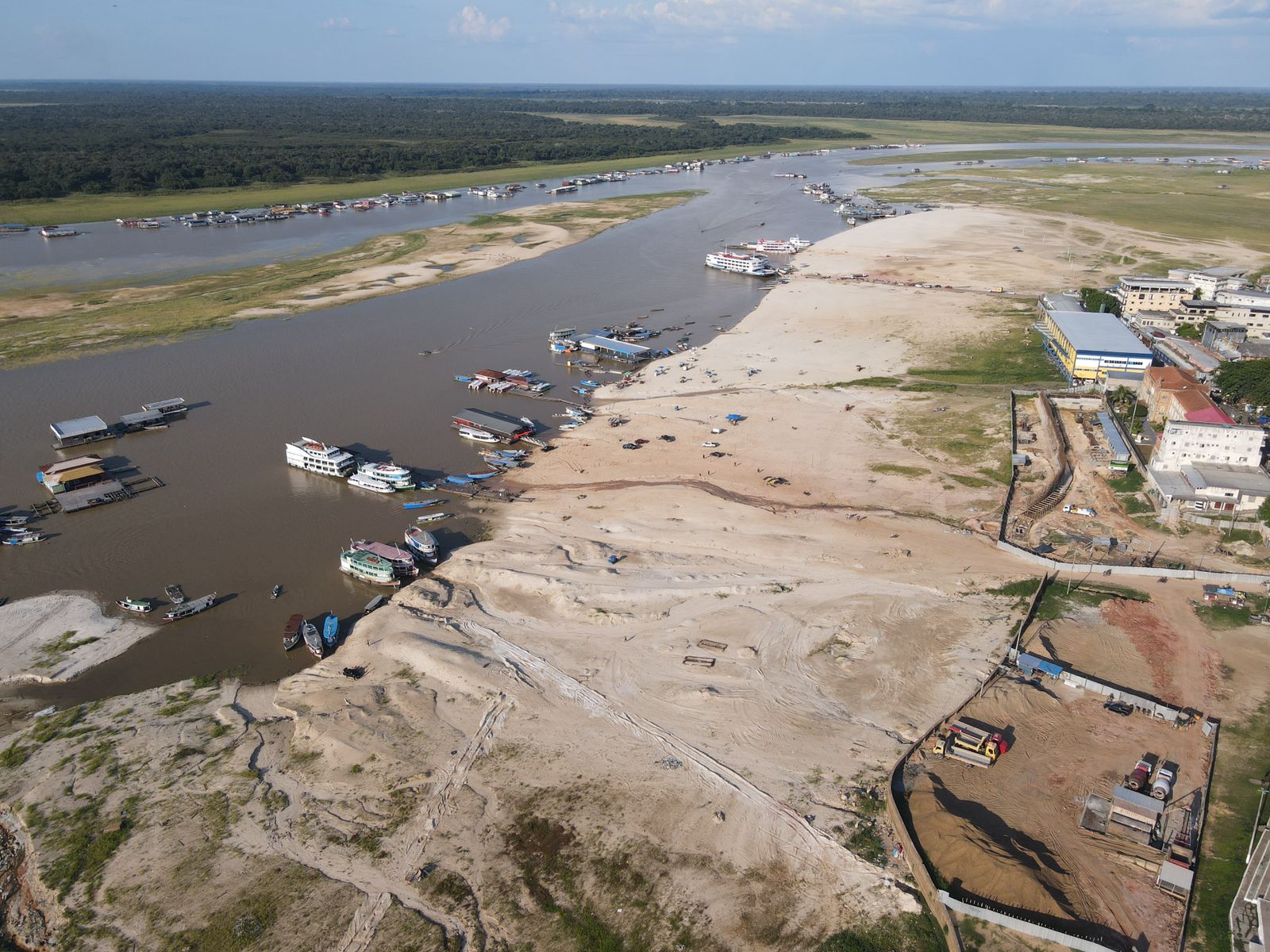
Riverbank communities along the Amazon River in Brazil.
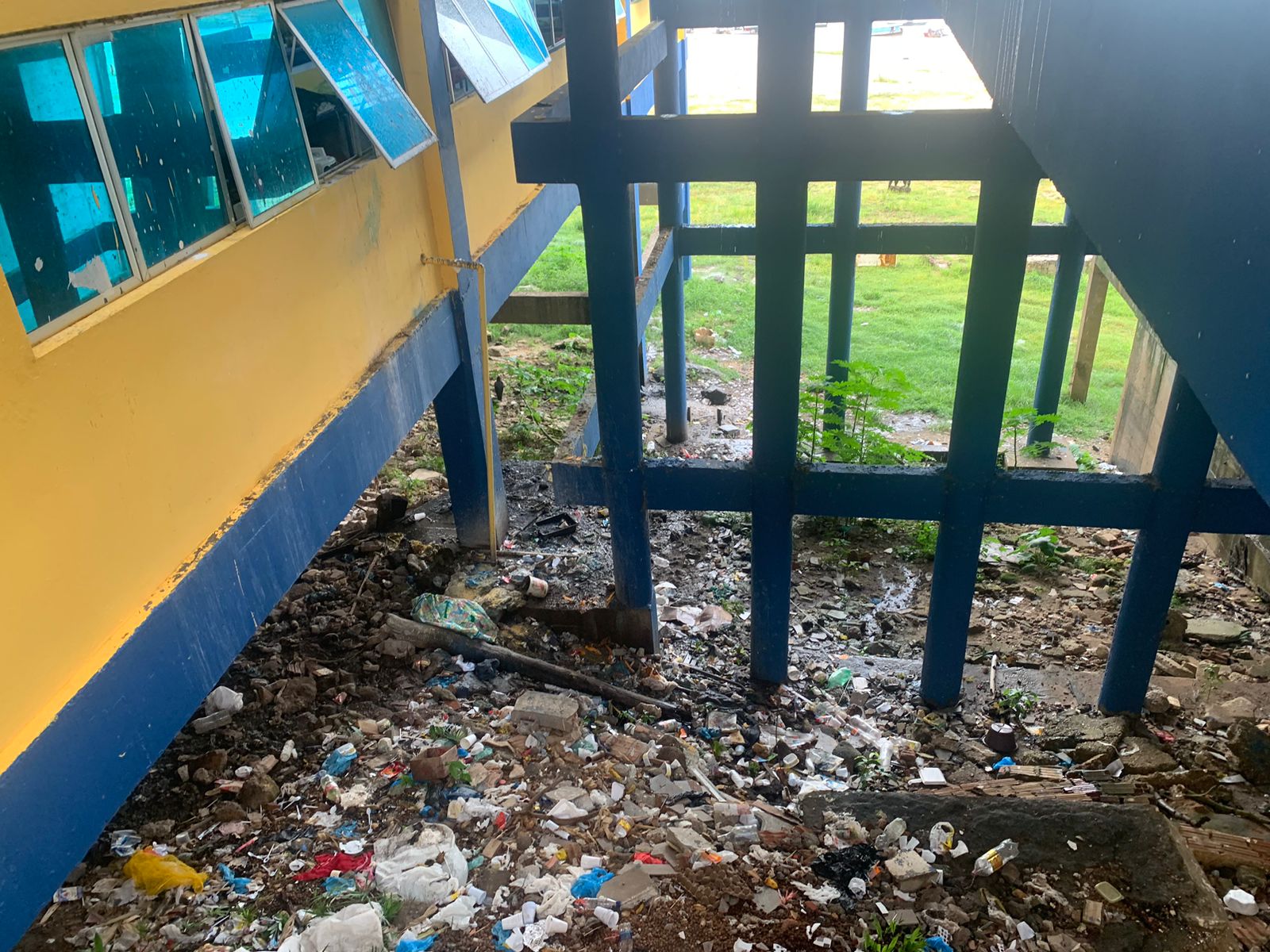
Challenges with waste along the river banks.
These communities often face significant challenges related to sanitation and clean water access, and Henrique believed that students, working together, could engineer a sustainable solution.
“Students were eager to create a real solution to the problems they witness daily in their communities. They wanted to learn but also to take action. The project brought us together around a larger purpose: to care for people and protect the environment, especially in the face of major challenges like the 2024 drought.” — Henrique Lima, educator, Brazil
At the time, both Colégio Militar de Manaus and Davis Middle School were in the top 10 schools shortlisted for the World’s Best School Competition, each school competing for the $10,000 prize. But, instead of being adversaries, our schools joined to work together. In the end, neither of us won the competition, but we received much more than any competition could offer—an opportunity to work together on issues that affected our communities. We both understood that climate change and other environmental issues did not recognize borders or nationalities.
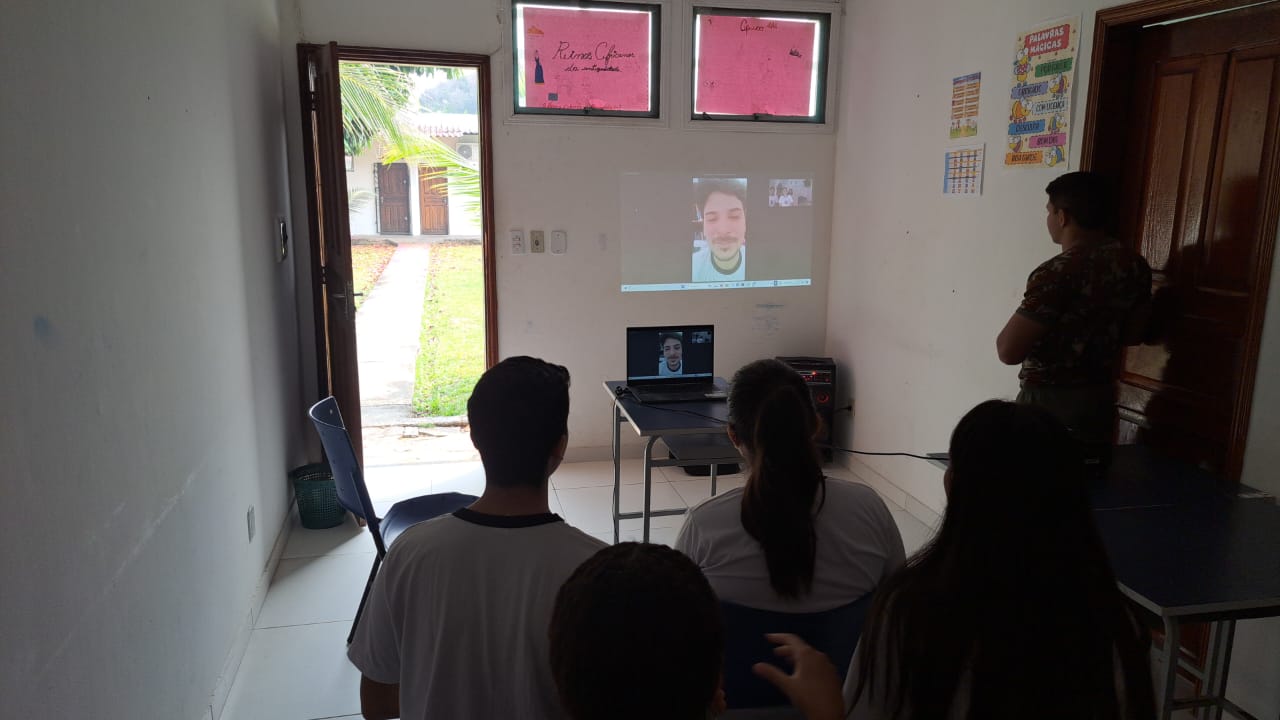
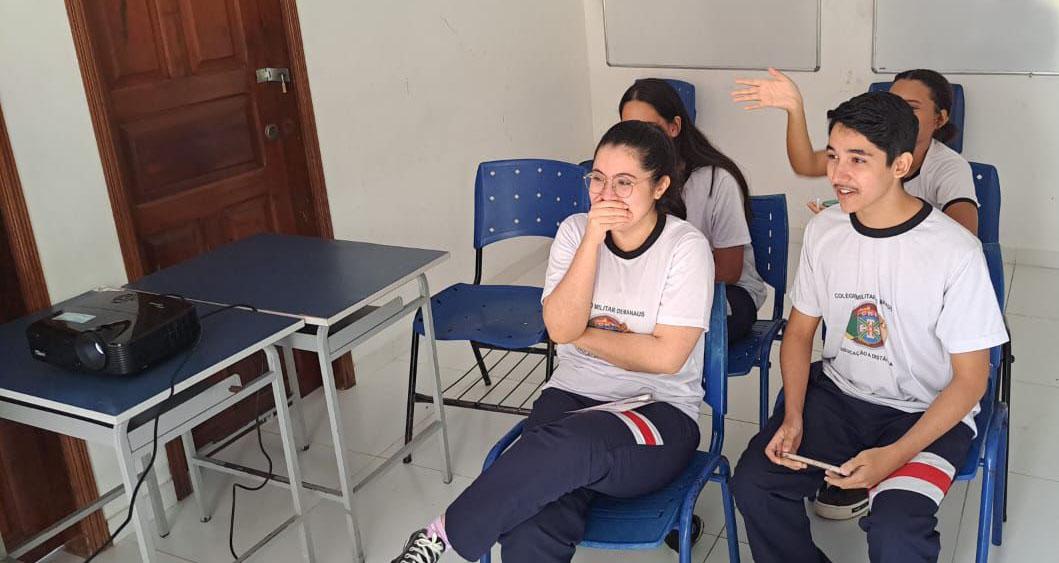
Students at Colégio Militar de Manaus in Brazil preparing to connect on Zoom with global peers.
From the moment we joined forces, the energy and excitement were contagious. We met regularly through virtual sessions where students presented their ideas, asked each other questions, and offered feedback. Students at Davis Middle School were fascinated to learn about life in the Amazon region of Brazil, its biodiversity, and traditions, and they were inspired by the ingenuity of their Brazilian peers. Likewise, students at Colégio Militar de Manaus were curious about life in Compton, including the environmental challenges and the creative spark that fuels the Student Tech Team’s projects.
Our students practiced speaking with each other. While Henrique’s students already spoke English, the Davis Middle School students spent several months learning Portuguese on Duolingo.
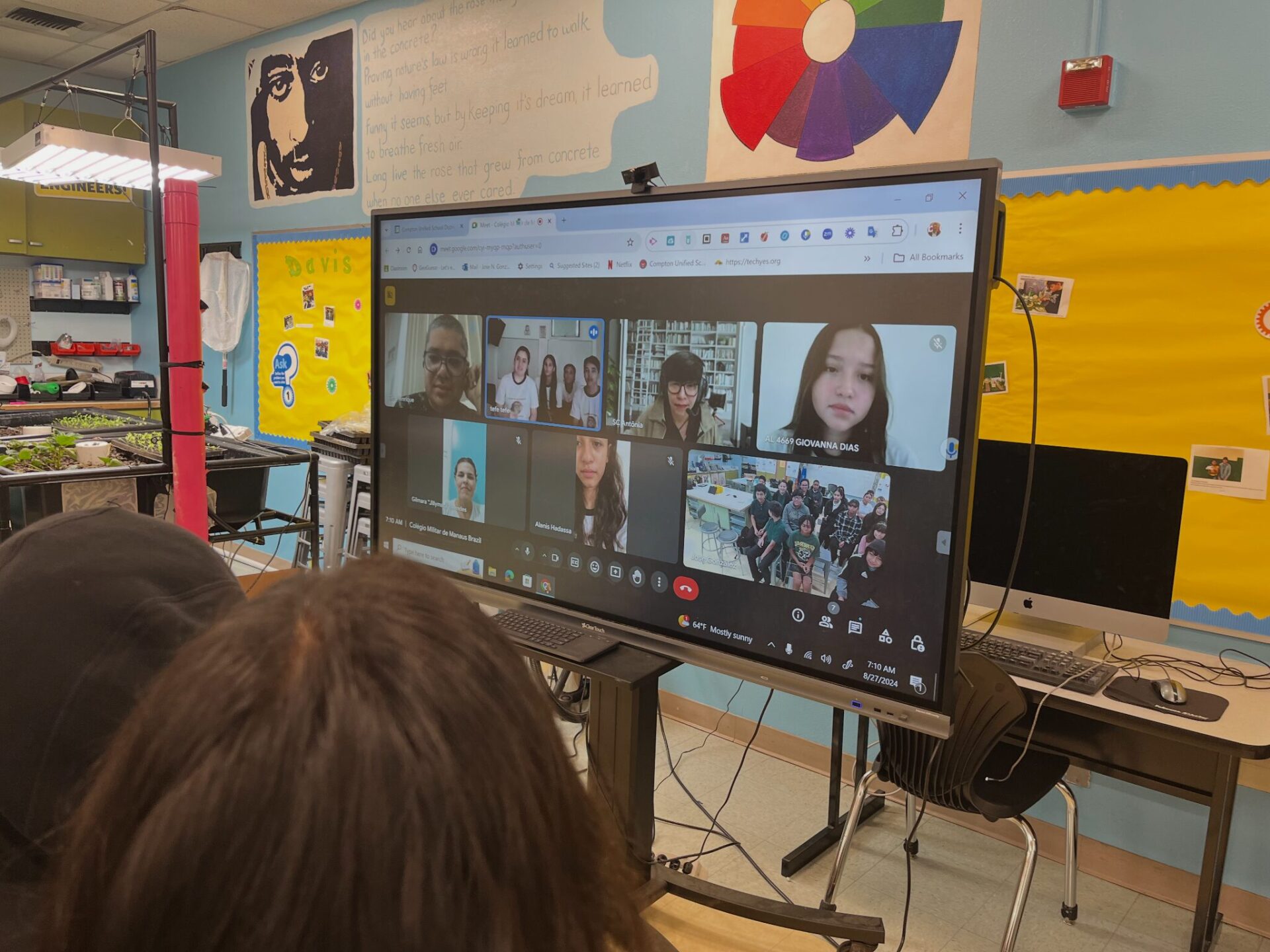
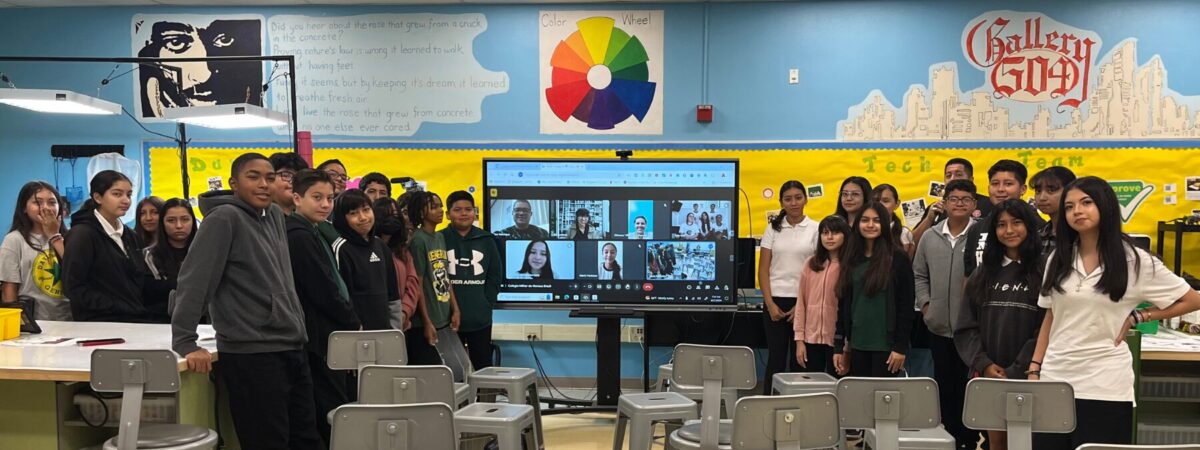
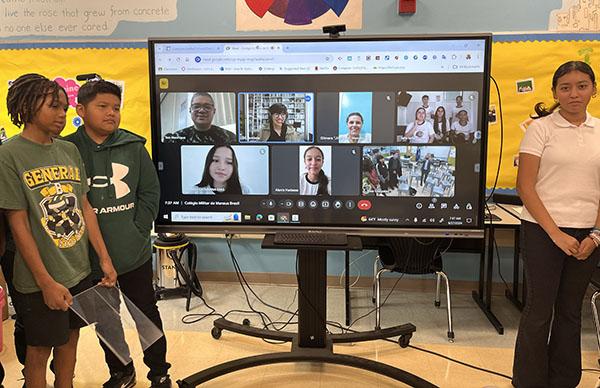
Students at Davis Middle School in Compton, California, connecting on Zoom with peers at Colégio Militar de Manaus in Manaus, Brazil.
Listen to educator Jose Gonzalez describe the impact of these live connections.
What unfolded over the following weeks was nothing short of inspiring. Together, our students explored principles of sustainability, water conservation, and engineering design. They built models, shared data, and collaborated in real time, even with language barriers and time zone differences. The Brazilian students’ innovative sanitation system, based on evapotranspiration principles, opened the door to a new way of thinking. It was a system that was low-cost, sustainable, and adaptable to local environmental conditions.
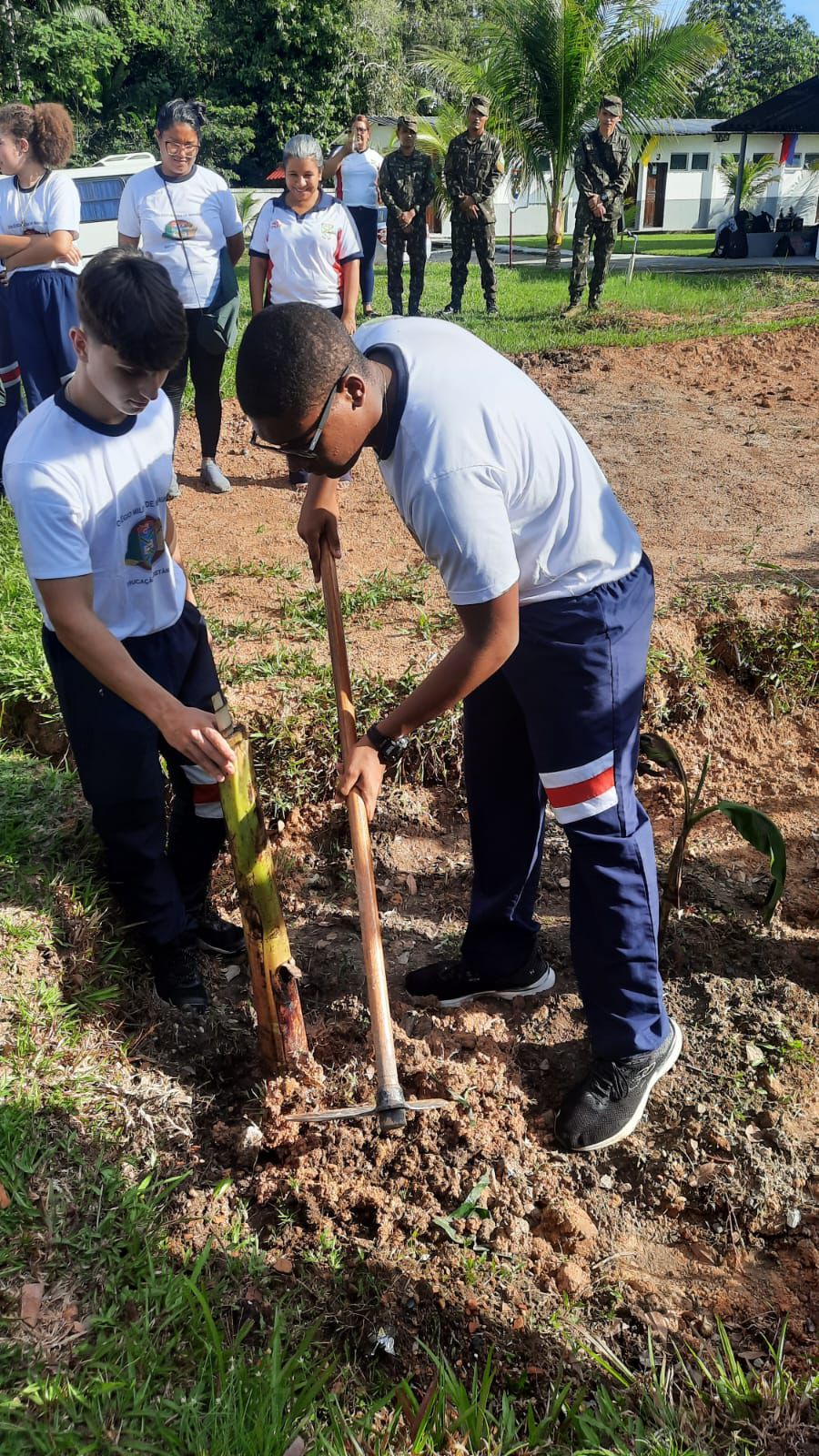
Students at Colégio Militar de Manaus in Manaus, Brazil, digging trenches for their Evapotranspiration Sanitation System.
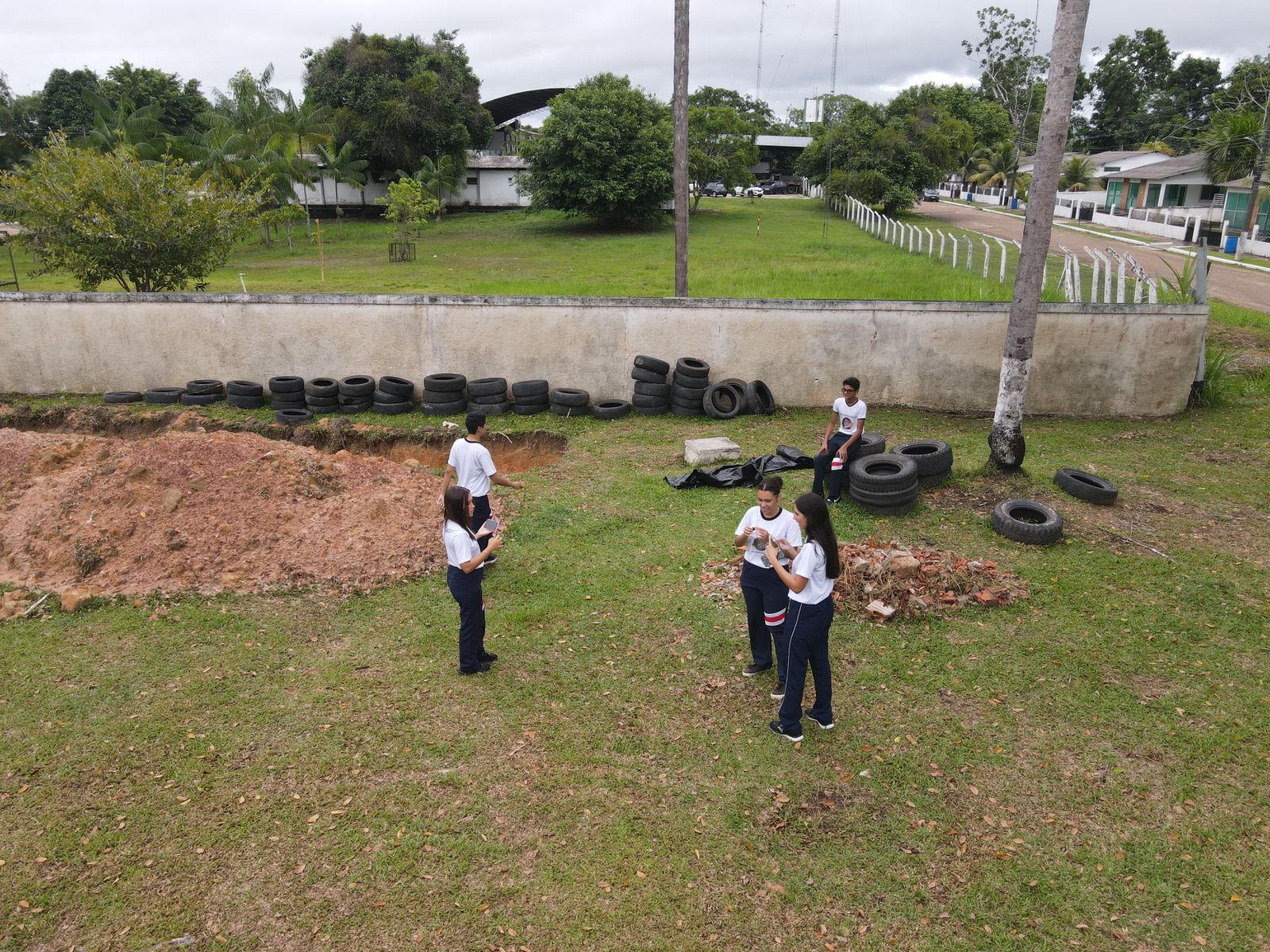
Students at Colégio Militar de Manaus in Manaus, Brazil, with their Evapotranspiration Sanitation System.
That’s when something magical happened. Our students took what they learned from their Brazilian peers and applied it to a local issue that hits close to home: the loss of trees from wildfires in the Los Angeles area. Wildfires have devastated large swaths of our local ecosystem, and our students recognized the urgent need for reforestation. Inspired by the evapotranspiration system design, they adapted it to help grow seedlings for replanting trees in fire-affected areas. It was a moment of transformation where knowledge met compassion and innovation met purpose.
Listen in Portuguese: “Students had to understand the entire biological system involved in the evapotranspiration project—from the type of plant we used, to the plant’s physiology, and how it would perform in that environment. . . . In addition, students conducted local data collection in the city of Tefé to help guide discussions and support the American students during the collaborative problem-solving process.” — Henrique Lima, educator, Brazil
Our teams approached the problems from different perspectives. We could not build the actual models that Henrique’s students were building in the yards of their schools. Since my students were in middle school, we focused on building scale models and prototypes and creating virtual models of the evapotranspiration toilets. It was exciting to witness our prospective students working on similar goals with each group finding new solutions.
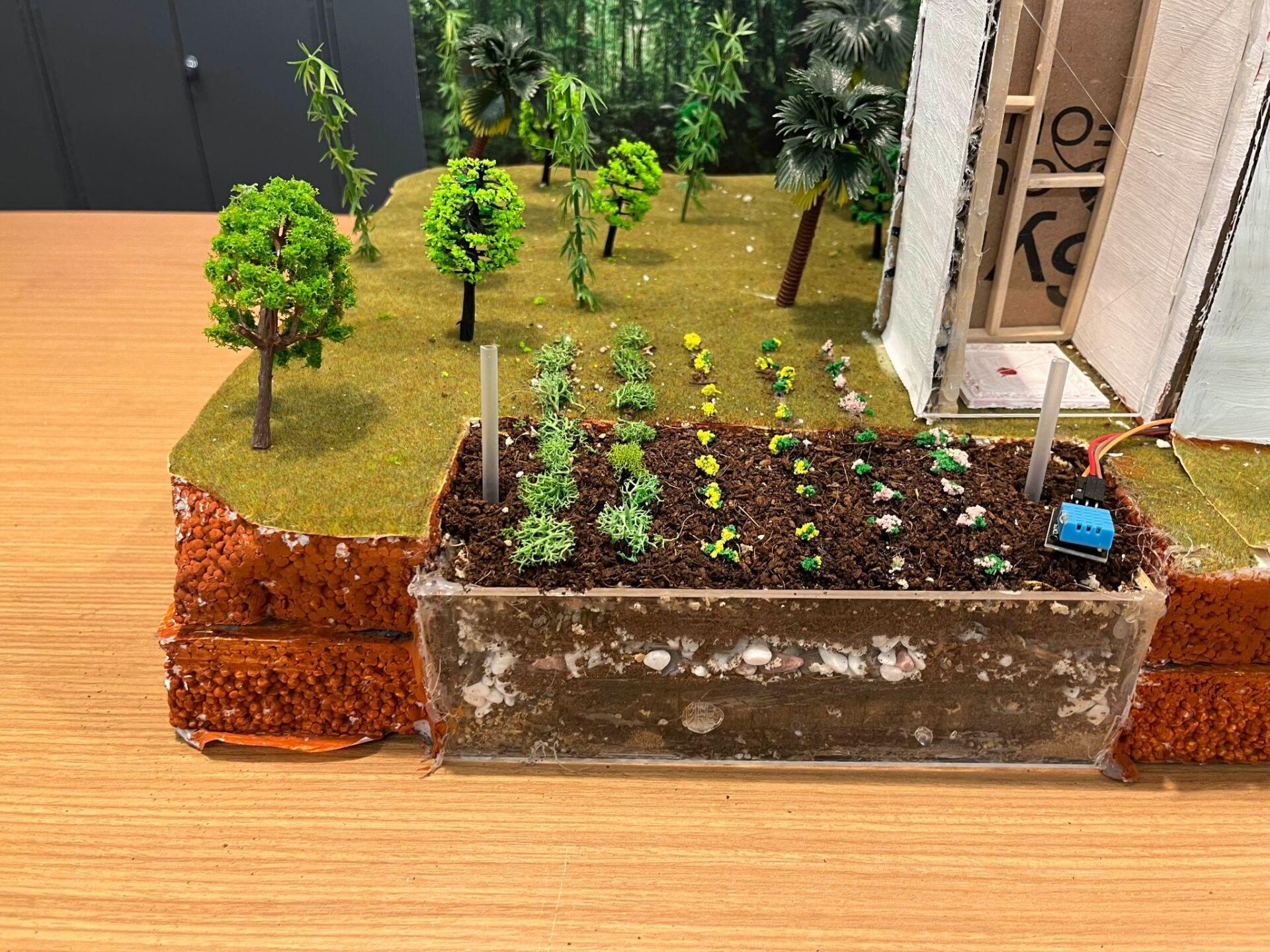
Davis Middle School student models and prototypes.
This collaboration went far beyond science and engineering. It became a deeply human experience. Students exchanged stories, shared music, taught each other words in Portuguese and English, and compared traditional foods and customs. Friendships blossomed across the miles, built on mutual respect, curiosity, and a shared mission to make the world better.
We are so grateful for the experience between our students. We strongly believe that this is true immersive education where students learn from engaging hands-on experiences working collaboratively with others on real-world experiences. As John Dewey once noted, “Education is not preparation for life; education is life itself.”
And the impact wasn’t just felt by the students. Henrique and I quickly found ourselves in weekly communication, not just to talk about lesson plans or student progress but also to celebrate our shared values as educators. We bonded over our passion for teaching and our hopes for the next generation. We exchanged photos of our families. Through those conversations, what began as a professional connection evolved into a genuine friendship.
But our journey didn’t stop there. Fueled by the success of this cross-cultural project, we began connecting with other like-minded educators from around the world—teachers from Laos and Canada who, like us, believe that young people can be powerful agents of environmental change. Together, we are now working on a Sustainable Picture Book, a global storytelling project that documents the creative STEM projects our students have developed to address environmental challenges in their own communities. Each page will reflect the voices, perspectives, and dreams of students from different corners of the globe. Each page is a reminder that we are all connected through the shared responsibility of caring for our planet.
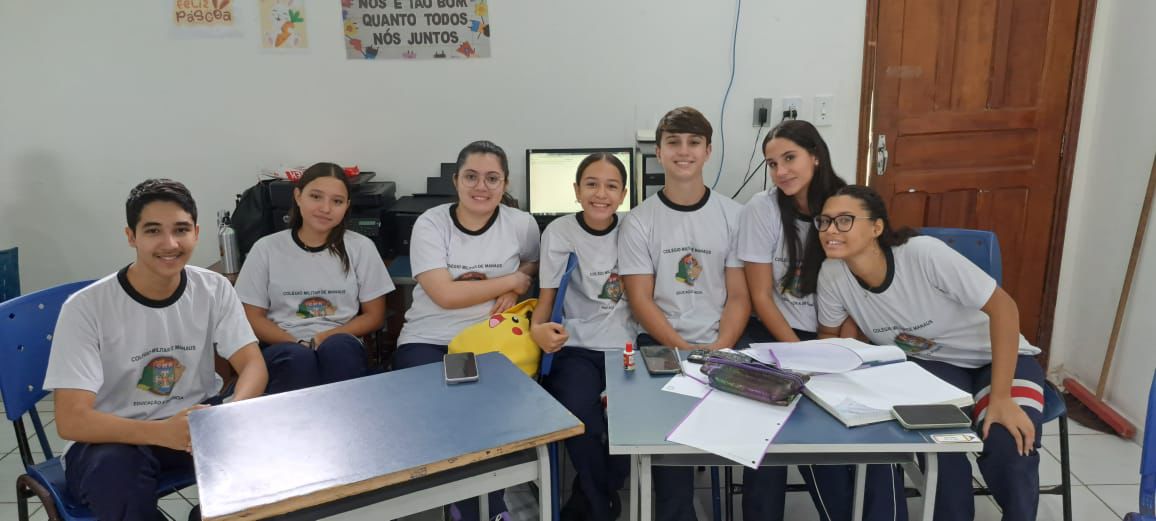
What we witnessed this year with students is proof that when we remove barriers and embrace collaboration, young minds can achieve incredible things. They didn’t just build models or write reports. They learned to listen, empathize, create with purpose, and see themselves as part of a global community.
“Listen in Portuguese: One of the most incredible moments and the one that marked me the most in this project was to realize and observe the connection that was formed between the students at each meeting. . . . Every day, every moment, every interaction they had, I felt in my heart the certainty that this project would work and that it could bring great results. . . . In addition to sharing the difficulties and problems of each country, of each school, and proposing solutions for this, the students, they ended up going beyond. So, it was a life experience for them.” — Henrique Lima, educator, Brazil
This project showed our students that they are not alone in the fight for a sustainable future. It gave them a glimpse into the lives of peers thousands of miles away and revealed the common threads that unite us all. It also reminded us as educators of the power of connection, the kind that transcends classrooms, cultures, and borders. We want others to recognize that environmental issues such as climate change do not respect borders—they affect us all.
We're all on this planet, and we have to work together and solve our issues, all of us together. We cannot isolate ourselves because what happens on one side of the world affects the other side. It’s very important that we collaborate […] For our students, it’s one thing to read about a country, and it’s another thing to actually meet people from there and to get stock and ask them what’s going on in your side of the world.” — Jose Gonzalez, educator, United States
As we look ahead, we feel deeply grateful. Grateful for this collaboration, which has opened our vision and hearts. Grateful for our students, for their courage and creativity. And grateful for the opportunity to witness firsthand what can happen when education becomes a bridge that leads not just to knowledge, but to friendship, purpose, and hope.
This wasn’t just a STEM project. It was a movement. One seedling at a time, we are growing something that will last far beyond the classroom.

