

3 Tips to Spark High-Impact Collaboration Within and Beyond the Classroom – Digital Promise

3 Tips to Spark High-Impact Collaboration Within and Beyond the Classroom

December 12, 2025 | By

Key Ideas

  • Collaborative Learning is an interactive student-centered form of learning, by which individuals work together to plan, discuss, and build on each others’ ideas.
  • The Ciena Solutions Challenge is a global design challenge in which students use collaborative learning to solve problems and create solutions addressing the Sustainable Development Goals.
  • In this edWebinar, panelists share best practices for collaborative learning within and across classrooms.
The Ciena Solutions Challenge is a global design challenge inviting middle and high school students to design solutions addressing the UN Sustainable Development Goals. Educators facilitate the Challenge with their students, helping them to practice important skills such as critical thinking, problem-solving, and collaborative learning.

Collaborative learning is an interactive, student-centered form of learning in which individuals work together to plan, discuss, and build on each other’s ideas. In our latest edWebinar, panelists Linette Victor, Senior Research Program Manager at Digital Promise, and Jose Gonzalez, 21st Century Learning Specialist at Davis Middle School in Compton, California, shared best practices and insights on fostering collaborative learning with students.
Setting Up for Collaborative Learning

Collaborative learning helps students better understand and retain content, equips students with essential real-world skills like communication, problem-solving, and teamwork, and exposes students to diverse ideas and concepts. Educators can design an environment hospitable to collaborative learning by:

  • Creating a welcoming and inclusive space
  • Selecting appropriate tasks for collaboration
  • Embedding intentional structures into collaborative activities
  • Create accountability measures so that all students are able to participate in meaningful ways

Three High-Impact Collaborative Learning Practices

Linette and Jose shared tips for how teachers can implement collaborative learning in powerful ways:

  • Have distinct roles for teachers and students. Teachers must pivot to becoming a facilitator of learning, rather than the expert at the front of the classroom.
  • Know what you are assessing and communicate expectations clearly.
  • Embrace the messy. Collaboration can create a loud and active classroom. Teachers should anticipate a degree of “chaos” as students problem-solve and work together. Collaborative learning also creates a safe space for productive failure.

Collaborative Learning at Davis Middle School

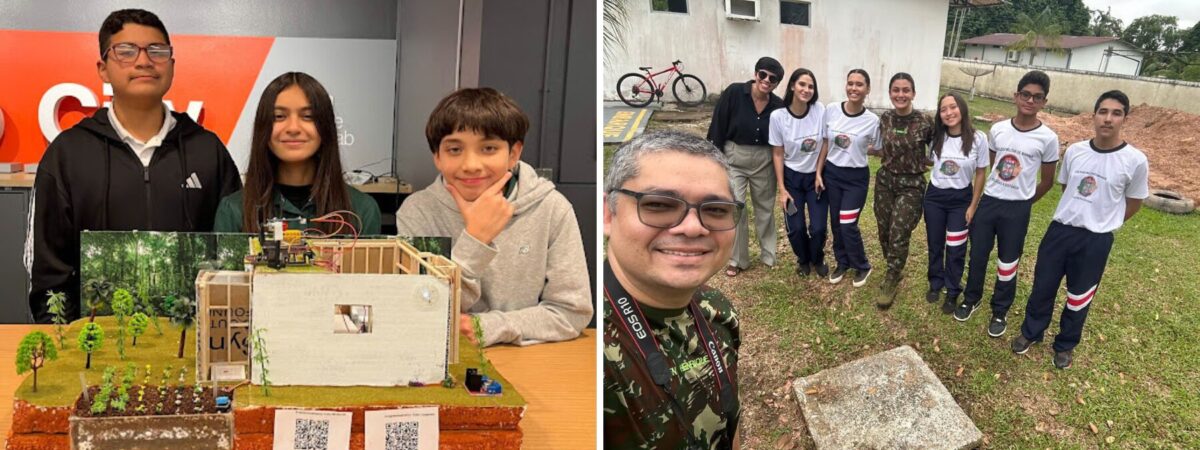
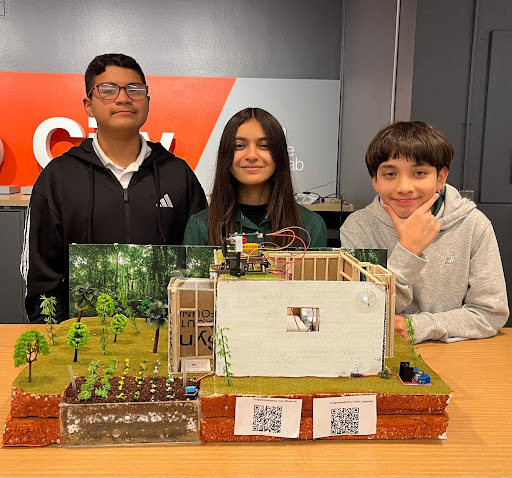
At Davis Middle School, part of Compton Unified School District in California, teacher Jose Gonzalez supports his students to collaborate within and beyond the classroom. The students are multiple-time awardees in the Ciena Solutions Challenge where they have worked on sustainability projects like aquaponics.

Students smile behind their diorama featuring a house and garden.

Students part of the Davis Middle School team.

Jose shared takeaways from these projects and his class’s cross-cultural collaboration with teacher Henrique Lima and students in Manaus, Brazil. The teams worked together to develop an evapotranspiration toilet and develop a solution to the loss of trees from the Los Angeles wildfires at the beginning of 2025.
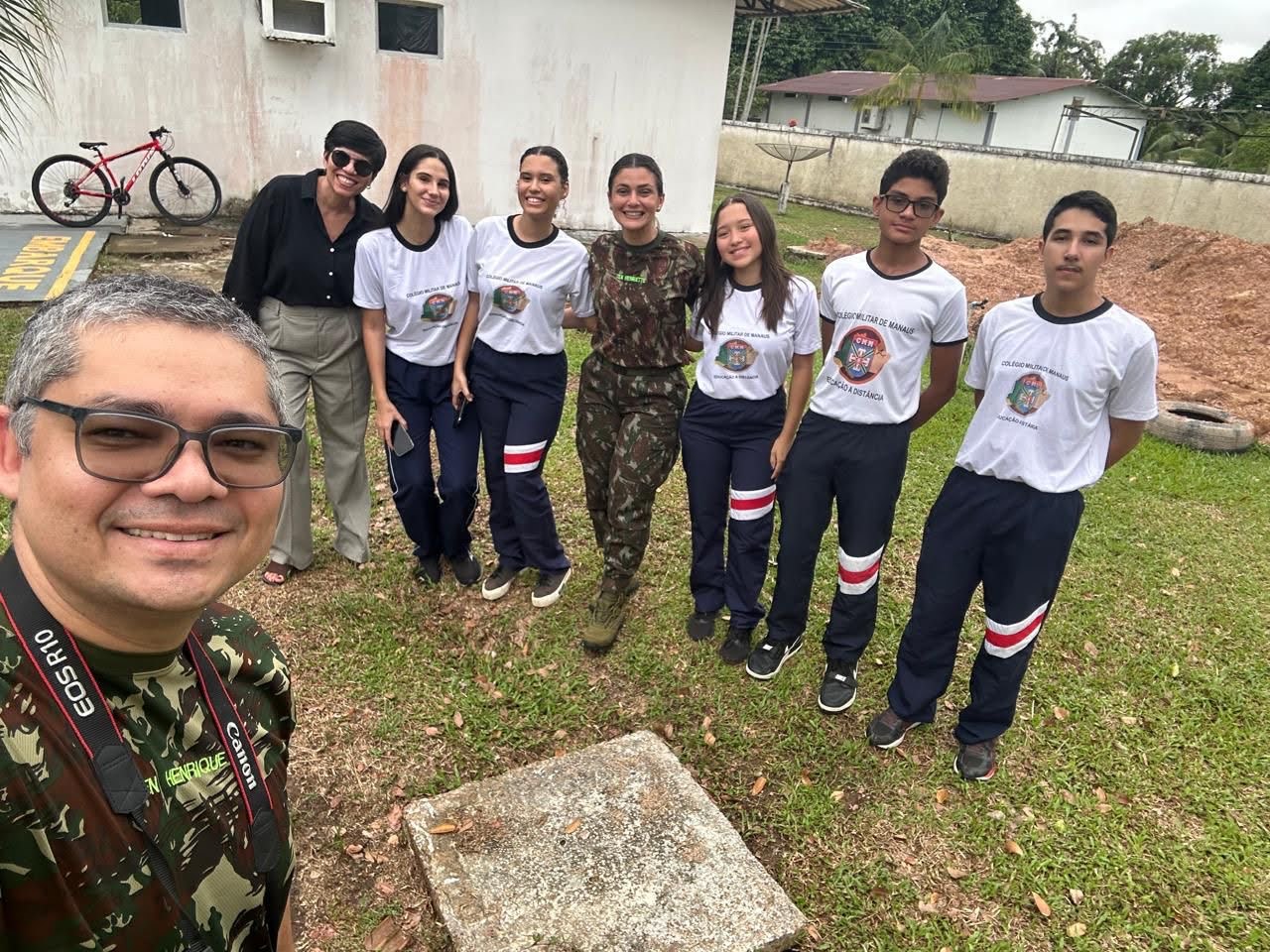
A selfie with the teacher and students behind him.

Henrique Lima and students in Manaus, Brazil.

Potential Challenges to Implementing Collaborative Learning

When teachers implement collaborative learning, they might encounter challenges such as:

  • Teacher and student buy-in. It’s important for teachers to gain students’ buy-in at the start of the project so they understand the expectations and fully engage.
  • Planning, structure, and accountability. Collaborative activities require clear timelines, defined roles, and ongoing checks to ensure progress and equitable participation. You can support students through consistent monitoring, feedback, and even engaging parents in a booster club model.
  • Privacy and safety concerns, especially when sharing media on the internet. It is important to make sure all permission and safety protocols are followed.

Watch the Webinar and Learn More

Sign Up For Updates! Email
Loading...