
We believe in the power of research to ground and inform our work. Here are several reports where we explore coaching as a tool to close the Digital Learning Gap.
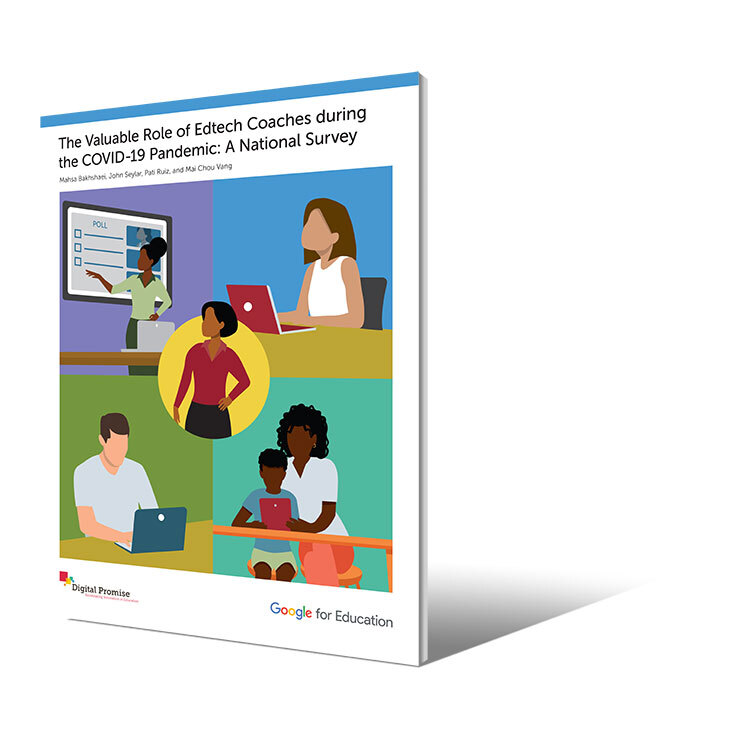
presents findings from a survey administered to instructional technology coaches in the United States at the beginning of the COVID-19 Pandemic. It shows the role that instructional technology coaches played in the transition to online and home-based instruction.

Building on findings from the inaugural year of the program, this report shares results from Year Two of the Dynamic Learning Project pilot, focusing on how coaching improves teacher practices and student engagement and learning. Read the full report and download our infographic to further explore our Year Two findings.
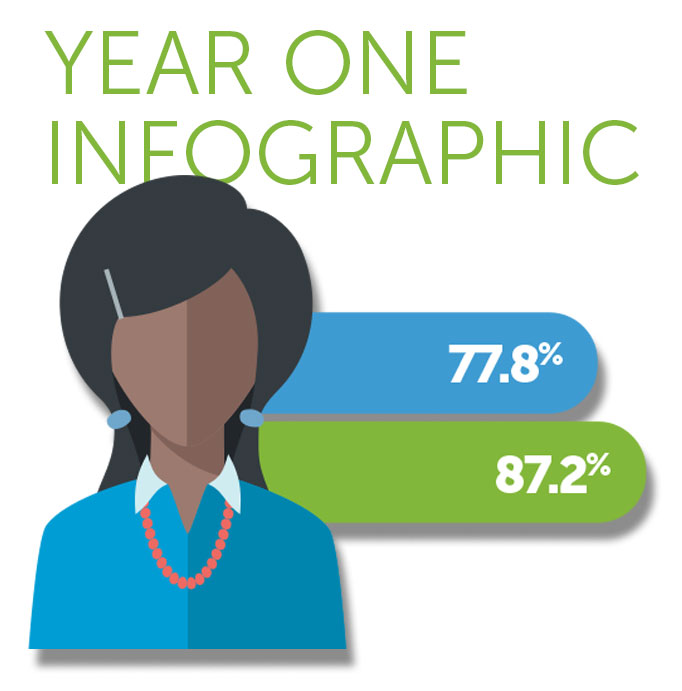
This report shares results from the inaugural year of the Dynamic Learning Project pilot, making the case that classroom-based coaching improves teacher and student impactful technology use. Read the full report and download our infographic to further explore our Year One findings.
[wc_row]
[wc_column size="one-third" position="first"]
[/wc_column]
[wc_column size="two-third" position="last"]
This literature review explores existing empirical evidence on the efficacy of coaching as a form of professional development, and provides an overview of potential frameworks for designing and evaluating coaching programs focused on meaningful technology use.
[/wc_column]
[/wc_row]
[wc_row]
[wc_column size="one-third" position="first"]
[/wc_column]
[wc_column size="two-third" position="last"]
Digital Promise and Learning Forward partnered to design a national survey exploring the prevalence of and existing support for instructional coaching across the U.S. This report discusses the findings of the survey and offers recommendations for improvement.
[/wc_column] [/wc_row] [accordion] [accordion-item title="1. Our Conceptual Framework: Coaching and Impactful Technology Use"] As access to technology becomes increasingly commonplace in schools, discrepancies continue to emerge concerning not whether technology is being used, but how it is being used. The National Education Technology Plan (U.S. Department of Education, 2017) calls for “thoughtful intervention and attention” to close this digital use divide, namely by enabling educators to “design highly engaging and relevant learning experiences through technology.” Evidence across multiple studies suggests that classroom coaching is one such thoughtful intervention, providing a critical form of professional development (PD) to improve teacher practice (Kraft, Blazar, & Hogan, 2018; Knight, 2007). Relying on a constructivist approach where change and growth are the goals of using an evidence-based framework of teacher PD, we investigate classroom coaching through the lens of five features of effective PD (Darling-Hammond, Hyler & Gardner, 2017; Desimone & Pak, 2017):
For each feature, we use empirical evidence from the Dynamic Learning Project pilot to explore the conditions that allow coaching to improve impactful technology use and create rich classroom experiences. Impactful Technology Use In the Dynamic Learning Project pilot, “Impactful Technology Use” refers to the ability of educators to use technology in the ways that develop students’ 21st century skills. We specifically use the following six indicators to define impactful technology use, as they have shown strong reliability in previous research:
You can download the Impactful Technology Framework here. [/accordion-item] [accordion-item title="2. Our Research Question"] Our research project aims to examine and explore factors and dynamics that make classroom coaching more effective for fostering student impactful use of technology and creating rich classroom experiences. [/accordion-item] [accordion-item title="3. Our Methodology"] We utilize a mixed-methods research design to understand the conditions necessary for coaching to effectively foster impactful use of technology and create rich classroom experiences. We collect survey data from principals, coaches, and teachers in all the participating schools to understand these stakeholders’ perceptions, values, skills, and behaviors related to both coaching and technology use. For a more complete picture of the conditions influencing the effectiveness of coaching, we also conduct case studies in several participating schools. Through classroom observations, interviews, and focus groups (with district leads, principals, coaches, teachers, and students), we explore how coaching works more effectively in practice. [/accordion-item] [accordion-item title="4. Open Resources"] Based on the longitudinal, mixed-method research study that we have been running in the schools participating in the Dynamic Learning Project pilot, we developed the Rubric of Impactful Technology Use (ITU Rubric) that educators can use to track their progress in impactful use of technology (i.e., technology use that improve students’ 21st century skills). We use the ITU Rubric with our participating schools to help them track the progress of their educators in promoting impactful use of technology and measure the impact of coaching. Based on the Rubric, we developed these questions to measure the short-term progress of teachers who received coaching and their students in impactful technology use. In addition, we developed these questions to measure the long-term impact of coaching on student use of technology as well as engagement and learning. The ITU items in the surveys have demonstrated strong statistical reliability (Standardized Alpha > .90 for combined indices). If you decide to use these surveys in your settings, we'd love to hear from you. Please contact dlp@digitalpromise.org. [/accordion-item] [/accordion]