

At a time when leaders are preparing students for a rapidly changing workforce, making thoughtful decisions about AI, and navigating staffing challenges, constrained resources, and political pressures, connection feels especially important. The League has shown me that leaders don’t need someone to hand them answers. They need trusted peers to ask questions and share what they’ve tried, open their classroom doors, challenge an assumption, or simply say, “We’re working through that, too.”
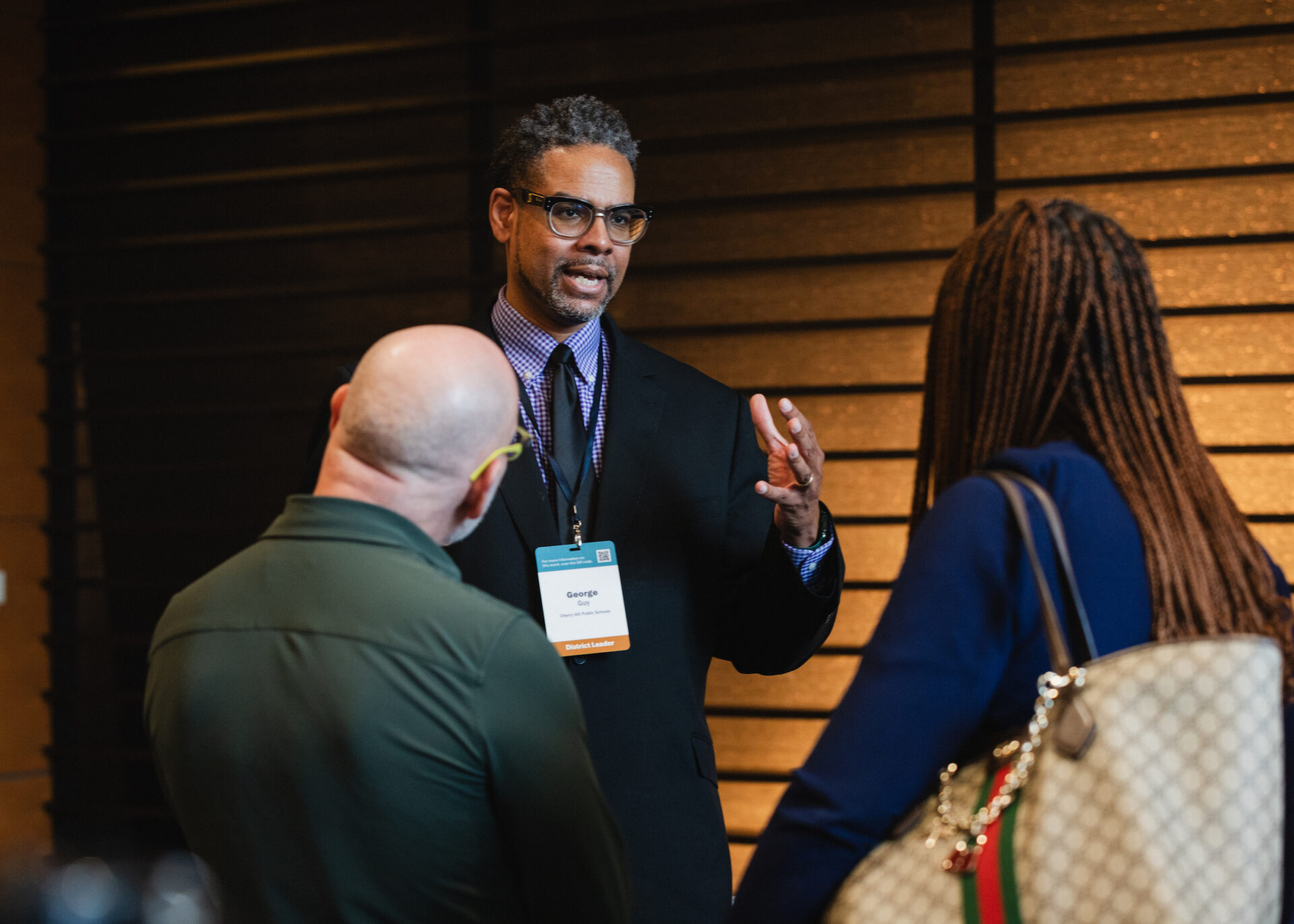
League members join a community of innovative leaders eager to connect, learn, and share.
I’ve seen this spirit in leaders like Dr. Laura Jacob of the California Area School District in Pennsylvania, who took ideas she encountered during a Digital Promise study tour to Helsinki and used them to develop a sustainability curriculum for her students. Or in leaders like Dr. Maribel Martinez of Lynwood Unified School District in California, who brought her district’s experience addressing chronic absenteeism into a national community working to understand and respond to the same challenge.
These leaders saw something, asked what it could mean in their own context, tried something, adapted it, and kept going. That, to me, is what innovation in education actually looks like.
For 15 years, the League has brought together education leaders who believe that we can go further by learning together. Today, our community spans more than 160 school systems across more than 30 states, representing millions of students. Beyond its scale, the League’s 15-year legacy is a growing body of knowledge, relationships, and leadership that shapes what’s possible in education.
League convenings take members across the country, from Talladega County, Alabama, to Lindsay, California, to step inside classrooms, speak with educators and students, and see different approaches in action. They also travel internationally, exploring everything from technology-enabled learning in Montevideo to “human-centered” approaches to technology integration in Shanghai.
The most important part of these experiences happens after the school visits, where leaders sit down with their teams and ask, “What did we see? Why did it work? What would have to be true for something like this to work back home?”
Districts don’t simply copy one another; they learn deeply enough to adapt good ideas to align with their community’s unique needs.
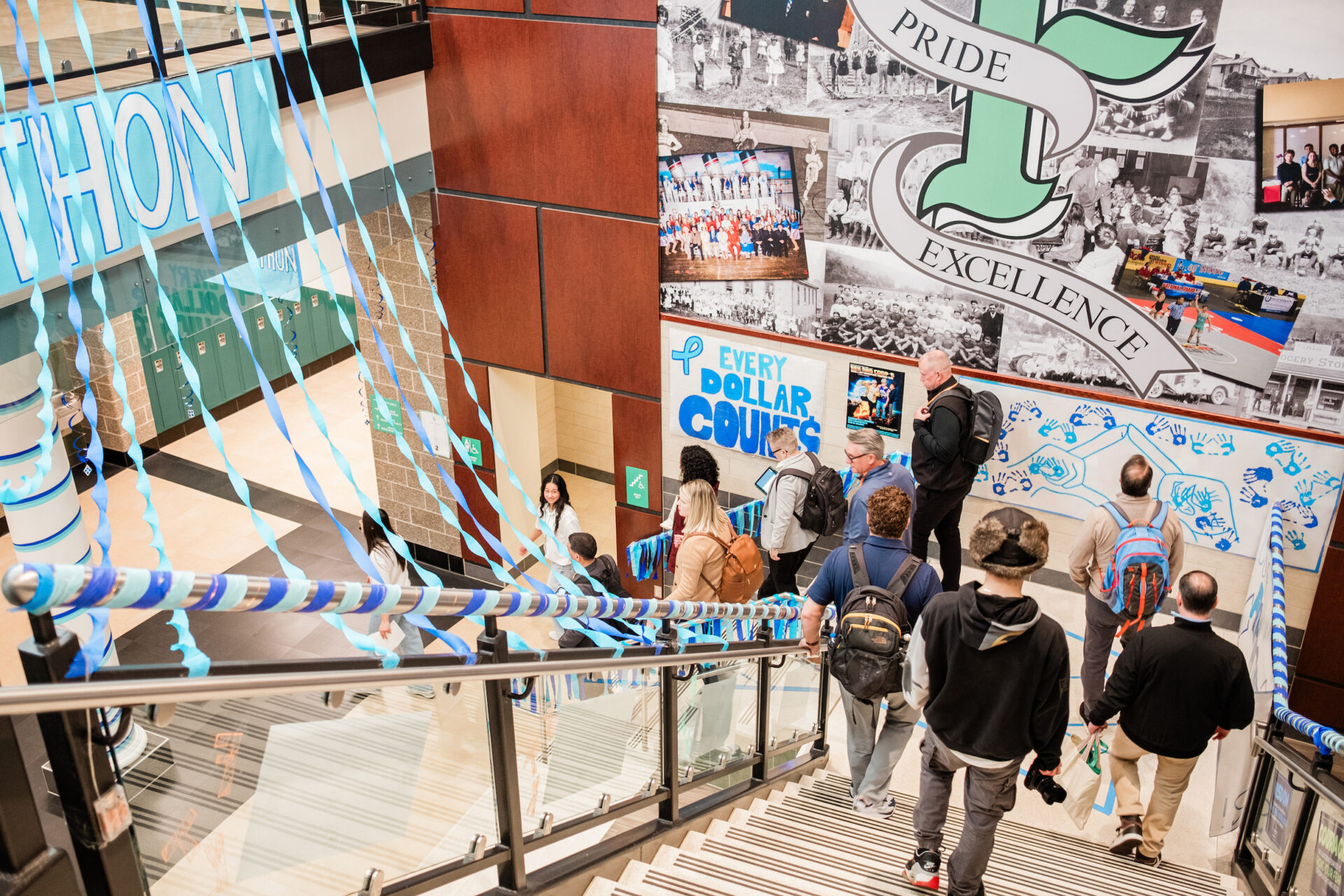
League members visit schools across the country to see innovative approaches firsthand and create action plans alongside their teams to bring ideas back home.
Over the years, the League has created a space for leaders to work through complicated challenges together. While the format has evolved—from Challenge Collaboratives to today’s League Learning Collaboratives—the premise has stayed consistent: bring people together around a real problem, learn from one another, try something, and come back to share what happened.
I’ve seen this play out in areas such as student voice and engagement, educator recruitment and retention, AI literacy, career pathways, and countless other challenges.
Sometimes the most valuable thing a peer offers isn’t a solution. It is a shortcut around a mistake, a new way of seeing the problem, or the confidence to try something that felt impossible before.
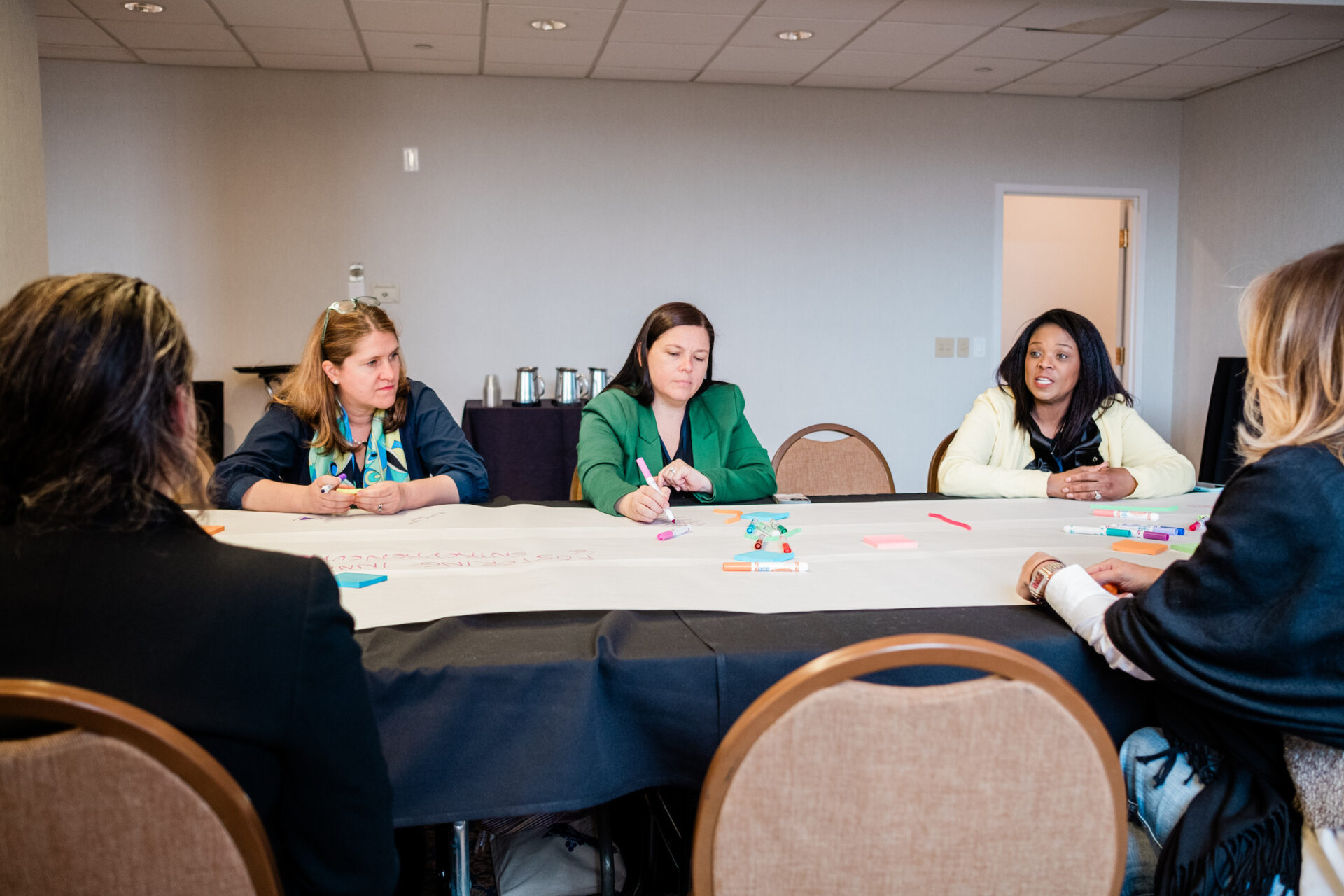
Through virtual peer-to-peer learning opportunities, League members across role types share challenges they’re facing, gain insights from colleagues, and pilot new approaches.
Beyond figuring out what works for their own students, League members are also helping to shape the broader education ecosystem. This year alone, 80 League districts participated in Digital Promise research and pilot projects, working alongside researchers, practitioners, and industry partners to explore some of the field’s most persistent challenges.
League districts have partnered with researchers and industry organizations to explore cybersecurity and computational thinking, develop career-connected learning experiences, and test emerging approaches in real school environments. Through U-GAIN Reading, for example, educators from League districts helped explore how generative AI could support K-3 literacy.
League members help researchers understand the realities of implementation; they help industry partners design with educators and learners rather than simply for them, and they help test whether an idea is actually useful in the places where it matters most.
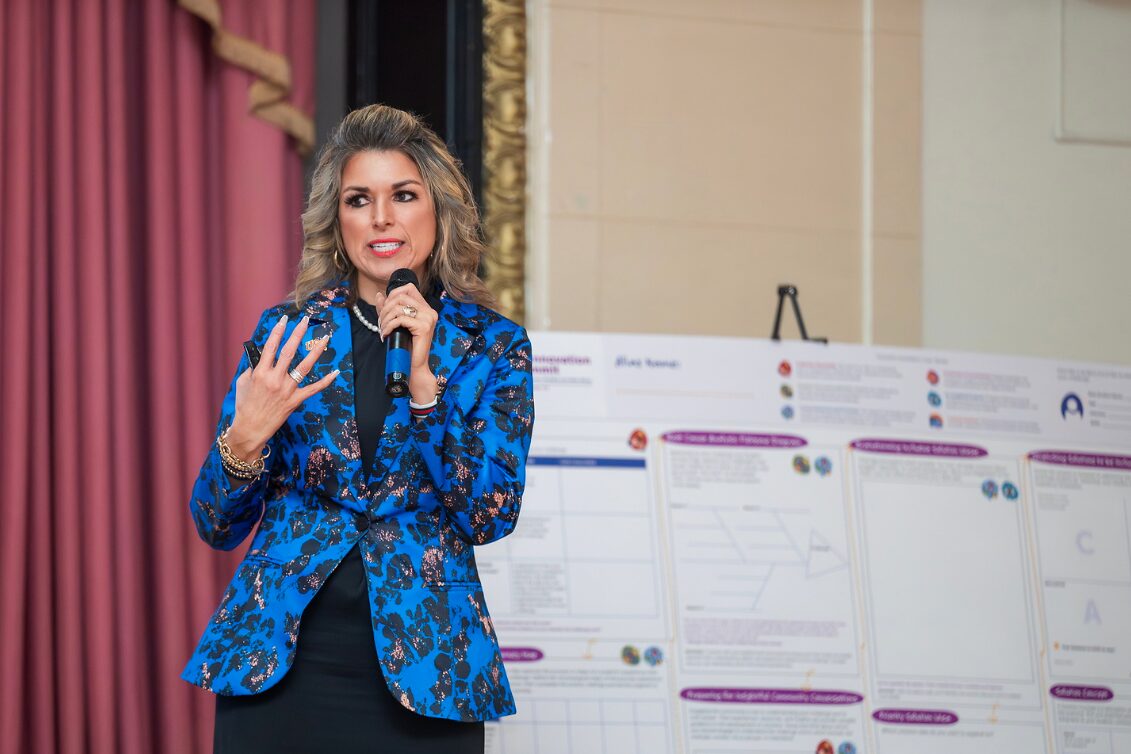
Digital Promise researchers and partners work alongside League members to co-create and pilot research-backed approaches in real classrooms.
School leaders are often closest to the consequences of education policy but furthest from the rooms where those policies are shaped. When leaders come together around shared challenges, they can elevate their collective experience and help shape conversations at the state and national level.
We see this happen at the League’s Policy to Action Summit, where district leaders bring their experiences directly to policymakers in Washington, D.C.; when League districts contribute to national research; and when students have a voice in shaping the future of education through the League of Innovative Students.
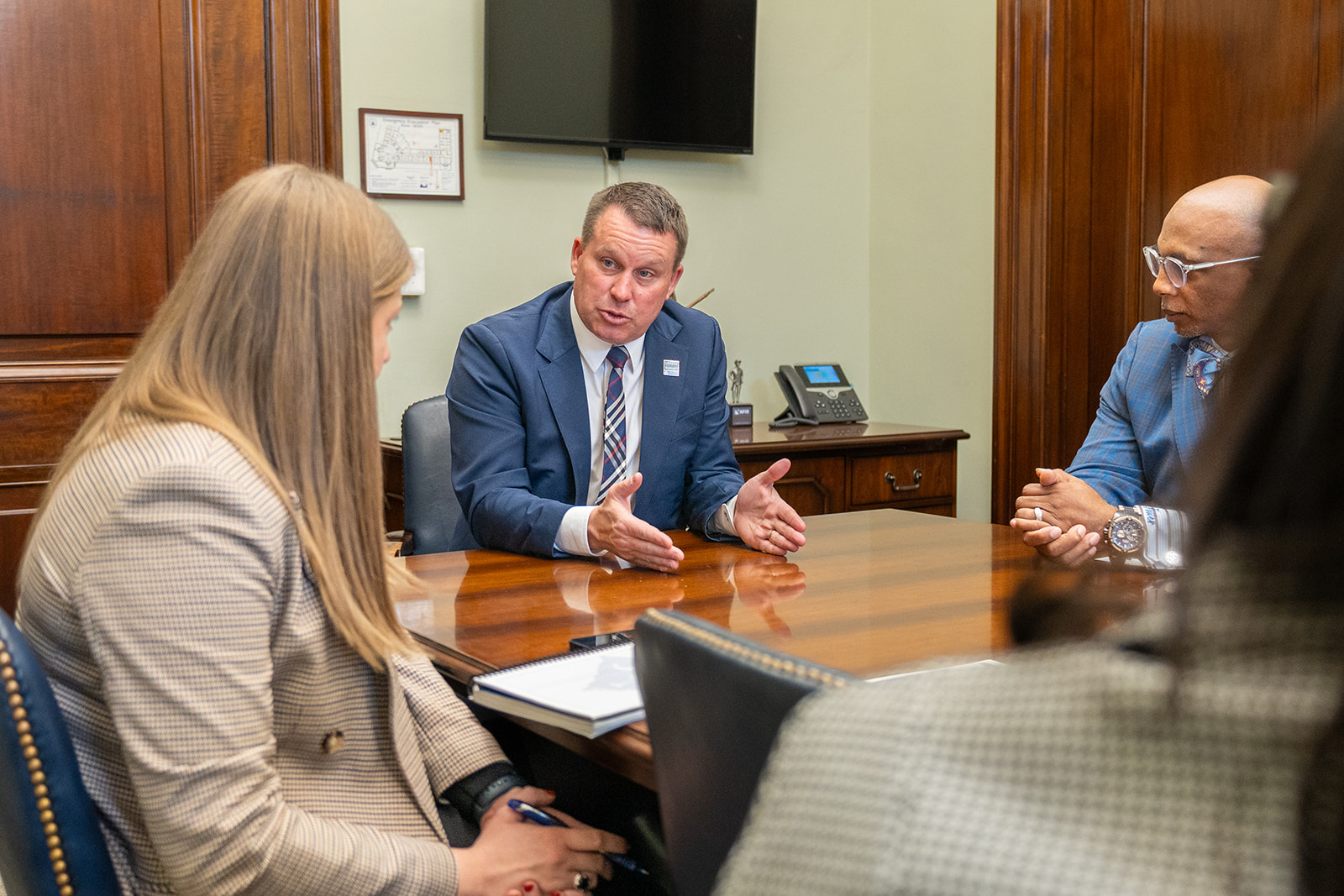
League members advocate at the federal level for increased investment in education research and development.
League members teach us that innovation is not about finding the one thing that will transform schools. It is about building the conditions for people to keep learning, experimenting, questioning, and improving together.
The League’s impact isn’t just in the districts that have participated, the convenings we have hosted, or the research projects we have supported. It is in the relationships that endure. Here’s to 15 years of learning from one another, and to everything we can make possible by continuing to learn together.
Follow the League of Innovative Schools on LinkedIn and join us as we celebrate 15 years of innovation, collaboration, and impact.

